Blog by Valerie
Through my first formalised human spiritual teacher Tom Lake, I learnt how to describe a core teaching that defines my path: unconditional love and acceptance. However, English is a challenging language filled with binaries. When I explain my worldview as animist, I am instantly confronted with the binary shadow of inanimate, which is a concept at existential odds with animism and not something I want to retain. Similarly, when reflecting on acceptance, rejection seems to be at odds. How do we conceptually accept rejection when it emerges in our lives, and what do we do with it? We seem to like to talk about boundaries in Western culture lately, which I’ve previously written about. But rejection isn’t always a boundary issue in my experience. Rejection could be a call for healing a part of ourselves we have denied and the need to open ourselves up to change, or it could be used to reject what we are currently accepting and stand for something different. It is this latter definition I will reflect on today.
Experiencing rejection, or the need to reject something or someone, tends to feel unpleasant. Much has been written about gentler speech, saving face, and ‘not taking it personally’, whatever that really means, because all experiences are both personal and universal in my world, and that keeps my sense of self engaged without feeling deflated and inflated in an existential crisis state. Rejection, like feeling or experience, can be approached with curiosity and playfulness. Giving rejection might seem the easier than receiving or witnessing it because it comes with more agency and control, but it isn’t pleasant to know our words or actions are likely to bring up pain in another person, so many of us choose to avoid confrontation. We might reject someone by ‘ghosting’ them and not calling or writing back; or we might say we want to move on and ‘break up’ or otherwise express our need to change the boundaries and dynamics of a relationship.
 Internally, when we have rejected a part of our ‘self’, we might need to sit with painful feelings such as anger and mistrust and rebuild a relationship, for example, with an aspect of our inner child who was judged as ‘lazy’ and felt ashamed about it. When we become our own parents, we can teach that part of our self that resting and going slowly is something we value and are sorry they were judged and shamed for it. As we can start enjoying resting and being lazy, we accept and move through feelings of shame and thoughts of judgment and whatever else we took onboard as a child, allowing healing to occur for a wounded part of our self. While accepting our ‘self’ and all these feelings, we are rejecting the previous teaching (lazy = shameful, unworthy, etc.). In this way, we can find ourselves on a path of rejecting what we’ve thought of us as our core self – including culture, identity/self, family/blood, sexuality, etc. (Image from here.)
For me, accepting my self has involved ongoing rejection of foundational teachings and experiences from my childhood and allowing my sense of self to heal and be redefined. The path I was set up on was a literal dead end, tragic and painful. There was no way for me to survive but to accept that for what it was and go on a journey of allowing that old world to self-destruct, land on a solid yet rocky foundation of rubble, and start rebuilding in a better way. I have found that the accept myself/reject past teachings process has become less dramatic and intense over time, at least through my experience, but not necessarily through outsiders’ witnessing of my journey.
If you value this content, please engage in reciprocity by living, sharing and giving. 
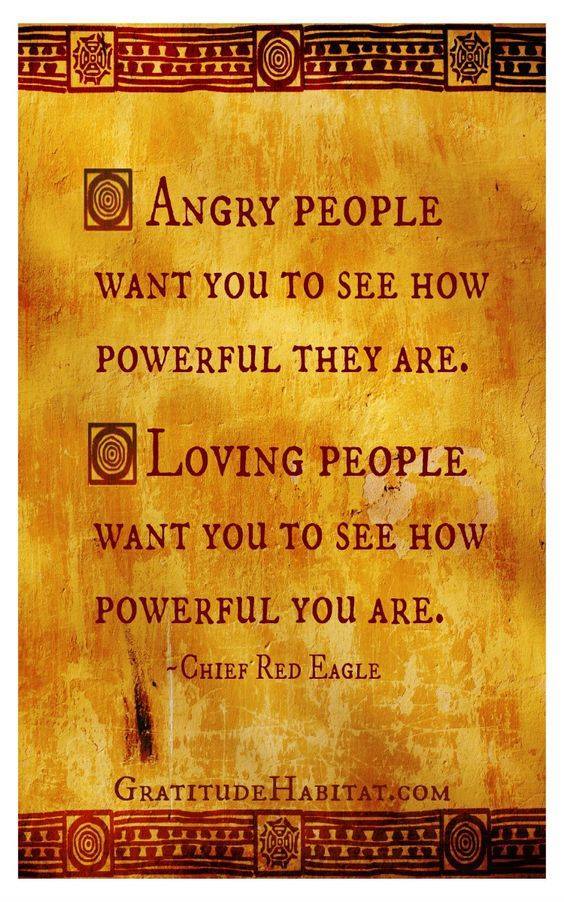
 I have witnessed many people experiencing a shaman’s illness. When people reject or resist it, they usually end up dissociating the destructive energy and becoming very challenging externalising personalities (like narcissists or sociopaths), or internalising the destructive energy and creating diseases such as quickly metastasising cancers. I have witnessed multiple people do both of these things. When people accept the calling of the illness, there are different speeds of doing so, which impacts the way the illness plays out in a person’s life. I have seen some people slowly accept that they are experiencing shaman’s illness over many years and bit by bit change their paths so that over time more aspects of their lives are working. Some (including myself) dive directly into the fire and allow our lives to become incredibly chaotic as our identities are re-forged and often become overwhelmed at the amount of emotion that needs to be processed and the whirlwind pace of life changes that occur. (Image from
  It is helpful, but not necessary, to seek support from someone who has been through similar things. Such people can give you compassion and empathy, guiding wisdom, and tools to process wounds and express energy. But it’s vitally important not to delude yourself that any human is a fully healed Jedi-master, all-knowing figure. If someone says they are, then RUN AWAY FROM THEM, because that person is dangerous and delusional and is on a path of becoming a cult leader or something else you don’t want to be involved with. It is important to think of illness and healing as processes, not finite endpoints. When someone says they have “healed” a wound as intense as sexual abuse or parental abandonment, I am suspicious; and when someone plays power games, disrespects, or in any way puts me down, then I know that person is ill and cannot support my healing anymore. I have no tolerance for these behaviours, even when people are unaware. I either change my boundary and create space or make someone aware of their transgression, and if they then don’t own it and work through it, I’m done with the relationship. (Image below from
 Earth Ethos