All posts by Valerie Ringland

Spiritual Secret Sauce

Blog by Valerie

Over the years I have observed a number of spiritual seekers looking for a ‘secret sauce’ solution to their lives – some kind of trick or program that, if they followed it, would lessen their pain and make their lives look more like what they have in mind. I have numerous times had the experience of being ‘tried on’, sometimes for a few months, sometimes even for years. But when one is looking for a secret sauce, spiritual practices from any tradition will inevitably disappoint. Yes, some ceremonies or practices may resonate so deeply, even profoundly altering our life direction with deep healing in a moment or over a short period of time. But if we continue to seek ‘pow’ experiences, we will end up chasing the dragon on a hopeless, addictive journey. 

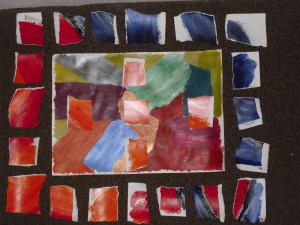
An important spiritual ‘pow’ I experienced when I was trying to move through suppressed childhood trauma that had come up in my late 20s. I did four ayahuasca ceremonies in the Amazon, followed by a 10-day silent Vipassana retreat in Chile (without warm enough clothing!); I felt for weeks afterwards as if my brain had been shaken like a snow globe. I had done that on purpose to move the trauma through my life over years instead of decades. I remember sitting in a hotel room in Peru and painting pictures, then ripping them up and reassembling the pieces to reflect myself. Life was very intense for more than seven years as a result of the pace at which I chose to ride that wave of energy, and miraculously Lukas rode through it with me, often saying he felt like he was barely holding on. I am glad to have moved through much of that trauma. My most recent spiritual ‘pow’ experience was the birth of my daughter. She turns three this year, and I feel like my nervous system is calming down from what the birth brought up. 

Last year someone who tried me on started working through my book, and after three weeks said to me they were done doing spiritual work because they weren’t seeing enough changes in their life. I was pretty stunned that this person was expecting such a short ‘pow’ turnaround in their life with so little effort. When I was very unwell in my 20s and finally found a naturopath who diagnosed the pathogenic bacteria in my gut, I remember her saying that with three years of drastic diet limitations and careful, targeted supplements I could expect to feel better. That sounded good to me as I considered how many years had led to my system becoming so sick. And it turned out to be true. (Image from an art installation in Sydney in 2020; sorry I don’t remember the artist!) 

These days I like to think about how long it takes a plant to establish its roots underground, all the nourishment required to even make it to the surface, and then the years of growth and renewal and moving through disease. I told that person that some seeds I had planted in my life over a decade ago were only starting to bear fruit for me now, and that I had been doing some of the same daily spiritual practices such as altar work and seasonal ceremonies for longer than that. Unfortunately, that person has become very dis-spirited, and I hope they find a way out of the dark hole they’re in. (Another photo I took at Angkor Wat years ago of an amazingly resilient tree)

It seems to me that a real spiritual ‘secret sauce’ is made up of persistence, patience, a daily practice, trust and faith in something(s) bigger than ourselves who care to help, commitment to core values that are worth living and dying for, grit and determination to stay the course, and a sense of humour.

giveheart If you value this content, please engage in reciprocity by living, sharing and giving.

Clean & Dirty Pain

Blog by Valerie

I recently came across the concepts of clean and dirty pain. This is a well written deep dive if you want to read it before I share my perspective. I’ll describe it as follows:

    • Clean pain is when we accept and move through what life gives us in fullness of emotions and experience; and
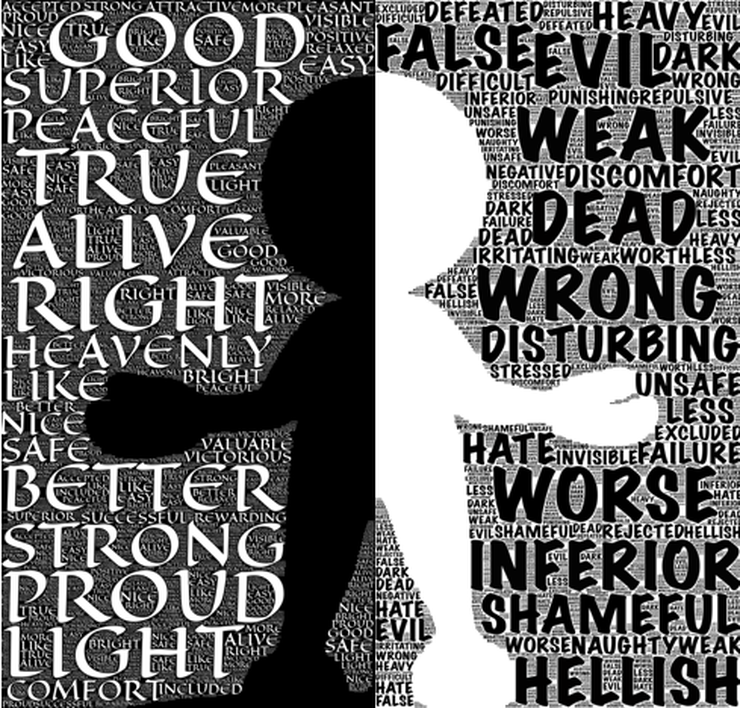
    • Dirty pain it when we resist, deny, and layer shame, blame and guilt on top of the pain life has brought us so that we multiply our suffering and so as to punish or even torture ourselves. (Image from here)

It’s been my mission for some years now to honour all energies, feel all feelings, and witness all thoughts with acceptance, love and compassion. It’s been especially important this week as we’ve been a target of some online abuse, as well as rejection from a few people we care about who have become bogged down in shame. I am used to being a presence that some people find it hard to be with, but that doesn’t make it easy! I have purposely been to many dark spaces, and I have honed some fierceness through some soul-wrenching boundary-setting, and I understand that not everyone wants that mirror. Yet more and more of us seem called to move through intense pain, and it seems at times that our only choice is how clean or dirty will the path we take be.

I think about how those who are brave enough to share something soul-led, something real, in a world that is so often about superficial image and illusion, in a world that is so quick to judge, to dismiss, to be outraged and unkind, are those who will save this world…To be able [] to be ourselves, to share of ourselves, to have access to the dark parts of Self to bring forth what we will from our personal Underworld is perhaps the point of the human quest, or at least one of the main bullet points.–Mary Shutan on Facebook

I’ve written a few times about trauma being neurobiologically encoded in our brains at the intersection of disgust/aversion and terror. That Western science knowledge has really helped me to judge when I need to move through something painful and when I’m potentially re-traumatising myself. After many years, I now feel like my instincts and flow are trustworthy. It makes the pain a lot easier to be with when I trust that it’s valuable, and I trust when I feel moved to shy away or go into it directly.

Accepting clean pain might sting for a day or two, but it doesn’t linger or fester.

So, to the people who have been sharing disrespect and rage with us recently, we feel your pain and pray that by grounding your projections and reflecting compassion back as best we can, that you are able to feel something more than overwhelm.

And we want everyone to know that however overwhelmed you feel in a moment, you’re not carrying it alone. With thanks to Shannon of Providencia Waco for sending us this song by Alexandra Blakely, we invite you to close your eyes and receive this musical medicine:

giveheart If you value this content, please engage in reciprocity by living, sharing and giving.

Witnessing

Blog by Valerie

Witnessing is an important method of learning and healing. In a MOOC (massive open online course) I recently completed on indigenous early child development, witnessing was taught as one of the main ways indigenous children learn, to remind western educators to value it and not expect that learning needs to be in a lesson format. It seems to me, witnessing is how we all learn. We have to teach children how to behave in ‘lessons’ and other learning environments. But from when we’re tiny babies and can’t physically do much, we learn by witnessing the world without and our feelings within. (Image from here)

I’ve been doing a lot of witnessing lately with both political and social situations around me. ​Sometimes I feel grumpy and want to say, ‘Hey, don’t treat me that way!’, but I realise it isn’t about how someone is treating me, and I don’t need a boundary. They’re in pain and asking me for compassion, patience and grace. Other times I want to say, ‘Hey you don’t have to live in your hurt and believe that’s the way life is!’, but that rarely feels constructive with stuck and pained mindsets, and I don’t want to be unkind or lecture.

So I ask myself, what is my responsibility? 

I​n terms of larger social issues, I understand ​the appeal of ‘news fasts​’, because a lot of what’s reported on is hard to digest and happening physically far away​. But I feel it is my responsibility to maintain some awareness of struggles where I have a connection, and devote some of my time to witnessing reports from people there, feeling my feelings, and sending some prayers.

Witnessing can be incredibly healing​ because the other doesn’t feel invisible or judged. It can also be really hard work. I see it as an art, and part of the power of practices like s​acred circles, talk therapy, or confiding in someone. And it extends to our non human kin as well, as anyone who’s ignored their pet can attest. ​(Lukas and I had a cat called Marigold years ago who did what we referred to as ​’statement shits​’ outside her litter box to get her message across when she was unhappy with us​!)

Sometimes witnessing doesn’t feel like ​doing enough. I for one can’t take a photo or write a story ​about someone having a hard time and feel like I’ve done my job​ (but then I’m not a journalist​!). I tend to need to dialogue with someone or send prayers. Others might feel the need to donate money or time. One thing I’m wary about​, though, is rescuing. Sometimes we are in crisis and need to be saved from a bad situation. And yet, often the harder thing to do is to witness a struggle, wait ​to see if there is right timing ​for us to intervene, and accept that an intervention might just be a few gentle words or a reminder ​about a boundary. To overstep places us in drama we needn’t take on, and to avoid cuts us off from parts of ourselves and each other. 

That’s why witnessing is an art. ​And to all of you practicing it, I honour your work. Thank you very much for all of your unseen, valuable heart labour. (Image from here)

Exercise: Reflect on how you value witnessing. What do you tend to do when you witness something hard? What do you tend to avoid witnessing? What do you ask others to witness?

giveheart If you value this content, please engage in reciprocity by living, sharing and giving.
Transitions

Blog by Valerie

Years ago when I was practicing restorative justice/discipline in schools, what consistently came up as the toughest aspect of change were periods of transition. Teachers said, when the kids are in class we can get into a good space together, then the bell rings and they transition into the hall and it’s instant mayhem and reverting to old patterns. They reported a similar struggle with teacher staff meetings getting into a good space, but interactions in the break room not feeling great. Transition spaces were the last to be impacted by efforts to change the school culture and embed restorative values. (Image from here)

2º- LA MÉTÉO | Le Baobab Bleu

We’re in a period of transition at the moment of shifting boundaries with people, some we have known a long time and connected with deeply; shifting visions of how we’re spending our time day to day getting ready to facilitate retreats on the land here; and recently shifting our last connection with commercial or Christian Christmas to a simple seasonal solstice celebration. The past month has brought up feelings of increased freedom, loss and grief, isolation, and a witnessing and cleansing of deep roots so that we ground where we are with as much integrity as possible. (Image from here)

The Mythmakers - Nanda Maiki

I understand the trickiness of transitions; we tend to find it easier to do things by habit. But what if we have habits that we don’t like or don’t feel great? Removing oneself from collective habits, such as getting together and giving gifts on December 25, if one realises that such a habit doesn’t feel authentic, is hard work. And while it feels good to be more in alignment, it doesn’t initially feel great to purposely do mundane things on such days. It’s like a come-down from a collective program. It helps to remind myself that we’re always in transition, and being attuned to the land and seasonal cycles of the Earth means being flexible and ready to engage with sudden change. (Image from here)

Milankovitch Cycles – Obliquity | Green Comet

In social spaces it seems like people with means can pay to insulate themselves from having to experience unwanted transition. For example, if it hasn’t snowed and your holiday is already booked, you can expect snow to be manufactured and needn’t rely on winter weather or worry about the effects of climate change. So when some celebrities criticise California for not having enough fire fighters, while simultaneously hiring private ones and trying to avoid paying tax, I feel a sense of relief that class, entitlement and material privilege doesn’t insulate anyone from the need to transition and adapt to change. (Image from here)

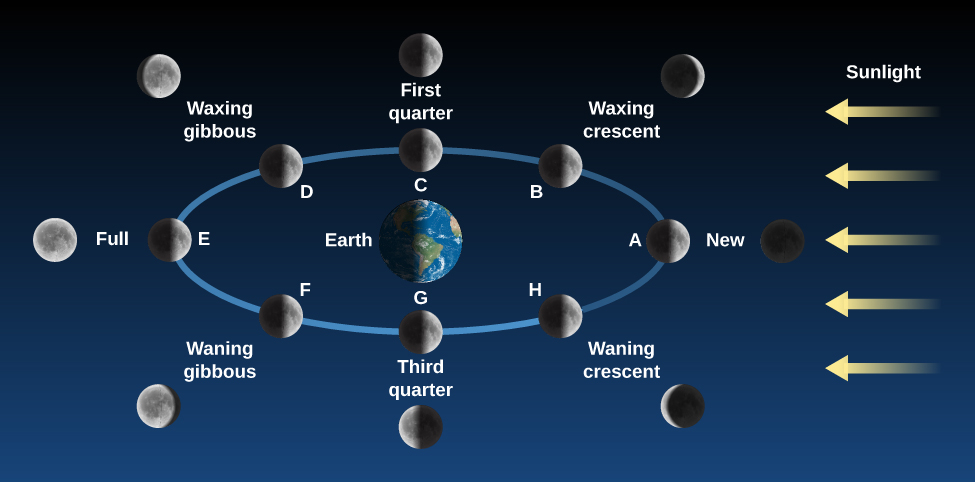
4.5 Phases and Motions of the Moon – Astronomy

Lukas and I have been reflecting recently how we don’t have many people in our lives who could see us when we were younger and still know us and can see us now, as we have changed our lives and identities have evolved quite a bit as we’ve grown up. I realise that isn’t everyone’s journey, and I think it is more common than we tend to collectively admit. I find it deeply valuable when we allow each other to change and remain in relationship and make an effort to witness each other throughout seasons and cycles, whether in human-human relationships, relationships with a place, with animals or plants or ancestors. I invite you to reflect how much you value that.

Exercise: Think of someone you witnessed change their life and sense of identity. How have you supported that transition? How have you projected a ‘past self’ onto that person and had to change/challenge your perspective?

giveheart If you value this content, please engage in reciprocity by living, sharing and giving.
Virtual Book Event

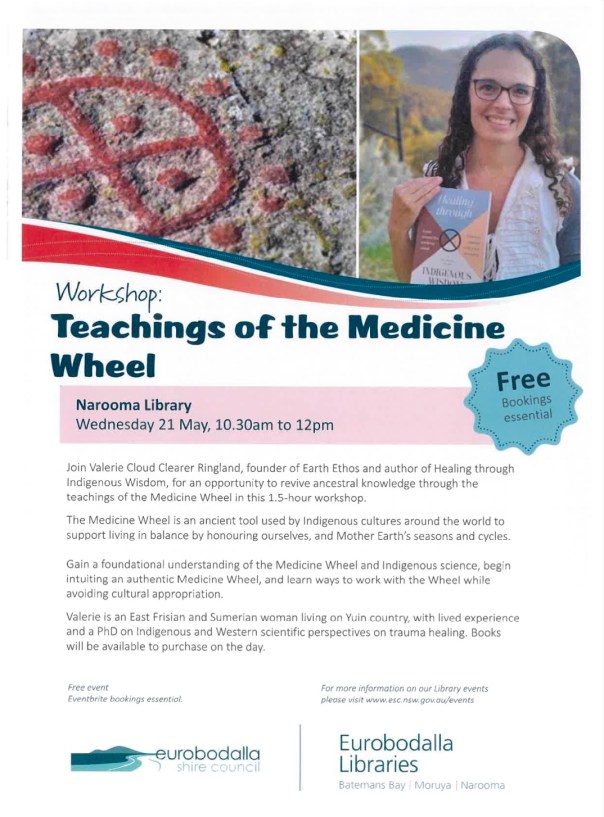
You’re invited to a virtual discussion with sharing and Q&A on experiences going through the book Healing through Indigenous Wisdom. With thanks to Shannon at Providencia in Waco, Texas for organising on:

Monday, January 13th, 6-8pm Central Standard Time (North America) /

Tuesday January 14th, 11am-1pm Eastern Daylight Time (Australia)

Click here to sign up (Zoom link sent to all RSVPs)

book front cover


Visionary Struggles

Blog by Valerie

This blog is for those of us who receive visionary insight through the gift of clairvoyance. Like all spiritual gifts, it can be tricky to work with. We need to discern what are visions and insights, and what is our imagination. We need to learn which visions are due to intergenerational trauma and ancestral wounds needing to be witnessed, and which are warnings of potential future events. It can take time to make peace with and accept some visions when it feels like there is little that we as individuals can do to change the outcomes.

visionary by jenarose on DeviantArt

It seems more common for us to have negative experiences when we reconnect with spiritual gifts as adults, which gives us abundant opportunities to practice acceptance, compassion and discernment. We learn a lot from unpacking negative experiences. But that may give us little comfort when we’re trying to process painful visions of natural disasters, traumatic deaths, and abuses. Some of us seem to be called to witness in our mind’s eyes (and some of us also in full embodied lived experiences), some aspects of nature and the earthly reality that are incredibly harsh. Lukas likes reminding me about the nature of lions, that the males try to kill all the cubs of the previous male who was the head of the pride so that the children are all his. If a human did that, we would be appalled, but with lions we accept it as their nature. Aspects of nature are brutal. (Image from JenaRose)

In Awe of All Our Relations - MindfulThe concept of “All My/Our Relations“, a term commonly used in indigenous cultures in the Americas, is a way to describe an indigenous science concept of interconnectedness where we see ourselves in all aspects of nature. That means that we don’t other ourselves from lion behaviour even if we find it appalling, we hold it in our hearts and minds as part of nature that we do not wish to emulate but which we allow to exist (meaning we let go of any existential judgement and practicing acceptance). (Image from here)

I have found with visionary gifts in particular, we often feel forced to face our deepest fears, witness family secrets, and see society’s shadows with clarity. This isn’t easy. Even if we gain valuable knowledge, others won’t necessarily listen to us or value our insights. This may result in our having to witness and be negatively impacted by others’ poor choices. I used to overly share visions and insights out of hope (or desperation) that someone would listen. But that wasn’t respectful of myself and the gifts I was given. It helps to remember that visions are just that – visions. They may or may not come into being. It’s important to carry a bit of doubt and humility about them, even if we find much of what comes to us does happen. There may be metaphorical meaning in visions too. In visions involving others that we feel moved to share, we need to create space for others to interpret the visions themselves.

IMG_3576In cities, since I started having visions of plants intertwined with buildings (reminding me of a modern co-habitation version of some of the Angkor temples I visited many years ago), I have felt more peace when moving through urban spaces. It is up to you how to honour your visionary gifts. Your expressions may evolve over time from doing personal life and altar work, to sharing them with a few people close to you, to using them to inform your art, direction of work in society, and your everyday life choices. I hope you allow yourself to be creative and give yourself grace to try things and see how they work. And please keep in mind that if you pray for something you envisioned and it doesn’t turn out the way you wanted, your prayers do matter; the people and non-human kin involved in the event can feel your energy and impact on some level, however humble.

giveheart If you value this content, please engage in reciprocity by living, sharing and giving.

Material Wealth

La antigua Biblos: El bibliomotocarro de Antonio La CavaBlog by Valerie

When I was growing up, I watched my father hoard food, books, even household cleaning items. I remember the pain I felt when he told me the story of realising as a young teenager that he’d read every book in the library van that visited his small town every month. He went to university, the first in his family, so there was no shortage of books to read from the age of 19, but he couldn’t shake those early experiences, he worried he’d have to do without if he didn’t have things on hand. Coming from a home where I had access to multiple libraries, and many used and new book shops that we frequented regularly, I was happy to give away and trade books with trust that if I needed one again I’d find it. I didn’t need to be weighed down by a home library. But I also remember the pain I felt when I went with my dad to our favourite used book store with some boxes of books from cleaning out my room at my parents’ house. He didn’t understand why I wanted to let them go, and kept asking if I was sure. But he didn’t try to stop me. (Image from here)

Growing up, I watched my mother hoard money (and related to that, jewellery); and though it may sound strange, she also hoarded social privilege. But it felt more intense than my father trying to rebalance some pain from childhood. Hers felt existential, as if she hoarded and guarded these things like her life depended on it. The first time I earned money through babysitting, I came home with a twenty dollar bill feeling proud of myself. I had gotten the little girl to sleep despite one of her dogs nonstop fearful bellowing about a thunderstorm. My mother asked how much I made, and when I showed her, she took it, and said that she needed a cut. I couldn’t tell if she was joking. It didn’t feel like it. Then she wouldn’t give it back to me, and taunted me, hiding the bill and waving it out of my reach. That felt scary and deflating, one of many power and control games she played with me. It was as if she needed money more than she needed to be connected with me and would abuse her power and trusted role in my life to get it.

Wealth PNG Transparent Images | PNG AllWhen my father died many years later, that was my experience with her as we entered into estrangement. My mother chose money, lies and trickery over me. I have come to see that as rooted in her Jewish wounding, where through being disconnected from country for milennia, she learned to existentially cling to money, jewellery, and social status to survive. I understand that’s her survival strategy, integrated with identity and culture. I can’t be intimate with those wounds though, it feels too destructive and desolate to me, like I’m spinning in a hopeless vortex of nihilism and materialism, disconnected from the planet and my body. (Image from here)

I don’t yet feel respectful of what I experience as collectively acting out a traumatic and highly destructive wound. I focus most of my energy on deepening compassion and processing grief. I have been feeling this a lot lately with actions in the Middle East. I feel like Palestinian, Lebanese, and Iranian peoples are my spiritual kin. The hatred some of us feel towards ourselves and each other is so intense, it makes my heart feel heavy with grief. The material greed and holding in supremacy certain people and lands while dehumanising and exploiting other peoples and lands pains me deeply. I have been to Jerusalem, which many consider to be the most holy city in the world. I felt its deep and rich history. It also felt very layered in pain and messiness. There was tension, some bombing, and UN vehicles patrolling when I was there. It felt like a powder keg with everyone on edge, and that was fifteen years ago.

Everything is connectedI choose a worldview in which all lives lost, of any culture, of any animal or plant, are existentially equal, though I obviously experience some of those losses with much more intensity than others because of my own identity and connections. As this worldview and my values have solidified over time, I have found myself recently with more material ease than ever before in my adult life. I had gotten used to embodying ordeal, living without enough material wealth, devaluing its importance to rebalance growing up with my mother putting material wealth über Alles, humbly acknowledging that I needed to find ways to be more financially stable and secure, trying things and burning out, growing savings and going through them.

I’m grateful for some material ease and abundance now, and I’m grateful for experiences of lack so these experiences have more meaning to me. I don’t think I’ve now got it all figured out. I do know that weeding by going into trauma and negativity have been more valuable to me than trying to plant positive affirmations. I’ve found healthy beliefs emerge when I clear the way. And, at the moment, some material wealth has emerged. I’m allowing myself to feel more ease when we buy groceries, practicing saving without hoarding, and humbly sharing as we go. I have started to feel lately like for the first time in this life I am living the life I want to and am meant for.

Matthew 11:28 Scripture - Rest from Burden | ChristianQuotes.infoHere’s hoping your relationship with material wealth feels balanced and centred too. Blessings at a season of reflecting on thankfulness. I’m thankful you care enough to read this blog. And if you are able, I humbly ask you to consider leaving a review of my book Healing through Indigenous Wisdom on Amazon, giving a copy to a friend, or otherwise passing on the word. Sacred reciprocity makes the world go round (fodder for a future blog).

giveheart If you value this content, please engage in reciprocity by living, sharing and giving.