Category Archives: Relationships

Honouring our Rage

Blog by Valerie
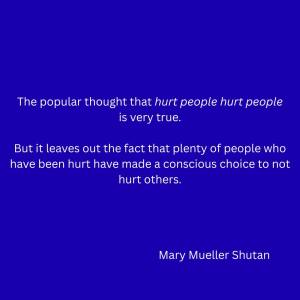
Rage matters. It’s a passionate, spirited emotion. Spirit keeps our inner fires burning and helps us feel alive. We need healthy spirits! I remember spiritual teacher Tom Lake, an Anglo-Celtic medicine man sharing that to try to get rid of one’s anger is to dis-spirit oneself. What we do with that energy makes a difference to our fulfilment, our personal power, and to the people and world around us.
Unfortunately social and political power are often not encouraging of us being our best selves. But we still have to live with who we are being and what we do.
I have noticed a pattern to the hateful messages I receive from other politically Indigenous folks. The person states their cultural affiliation (usually Aboriginal Australian, sometimes Native American), then attacks mine. The comments are about one of my online offerings, but are directed to an unknown reader using othering language. They open with language like “I’m really interested how she can claim…” while expressing no interest in dialogue. Most comments occur on weekend evenings from males. It’s clear the person didn’t read more than a paragraph or two about me and my life’s work.
I feel the person’s rage and see it as a cry for help. I send compassion, care, and a boundary of not engaging directly so as to avoid fueling flames of further divisiveness and violence.
We all get overwhelmed and are unsure how to direct our rage at times. I get that. For all of us who care about Lore and Law, who feel connected with Mother Earth and the ecosystems where we live, there is a lot to be angry about right now. Much about the way we are collectively living feels wrong, yet as individuals we can feel limited power what we can do differently.
Here are some ways that I find constructive to honour rage in the short term:
  1. Primal screams (you might like to add chest beating) and foot stomping;
  2. Big sobbing, raging grief (where you really let go and have a big physical cry);
  3. Physical movement (running or wild dancing are good options); and/or
  4. Musical, artistic or other creative expression (banging drums often helps).
In the medium and long term, I find these helpful:
  1. Practicing unconditional love and acceptance (especially with oneself and with people who have very different values and worldviews);
  2. Reflecting how to more fully live your core values and ways to practice compassion when you can’t (maybe you do some activism or make a small lifestyle change);
  3. Spending time connecting with landforms, animals and plants and attuning to indigenous science messages; and/or
  4. Setting and honouring boundaries to uphold important Lore and Law (like treating yourself and others with respect and dignity).
When I think about people behaving in ways that I fundamentally disagree with and find inherently destructive, it helps me to remember the cycles of the Earth: birth, life, death, and rebirth. Destructive energy leads to death and decay, and following that is an opportunity for rebirth. Death and decay is uncomfortable to be with, but it’s s purposeful part of our life cycle. Deaths of collective dreams and ways of being can feel very big at times, yet reach unexpected tipping points. I find solace in the quotes below, and maybe you will resonate with them also.
Let’s express our deepest passions and rage wisely to keep that energy flowing! Let’s allow toxic divisiveness and existential supremacy to die and decay, making more space for interconnectivity and beautiful rebirths to emerge.
giveheartIf you value this content, please engage in reciprocity by living, sharing and giving.

Witnessing

Blog by Valerie

Witnessing is an important method of learning and healing. In a MOOC (massive open online course) I recently completed on indigenous early child development, witnessing was taught as one of the main ways indigenous children learn, to remind western educators to value it and not expect that learning needs to be in a lesson format. It seems to me, witnessing is how we all learn. We have to teach children how to behave in ‘lessons’ and other learning environments. But from when we’re tiny babies and can’t physically do much, we learn by witnessing the world without and our feelings within. (Image from here)

I’ve been doing a lot of witnessing lately with both political and social situations around me. ​Sometimes I feel grumpy and want to say, ‘Hey, don’t treat me that way!’, but I realise it isn’t about how someone is treating me, and I don’t need a boundary. They’re in pain and asking me for compassion, patience and grace. Other times I want to say, ‘Hey you don’t have to live in your hurt and believe that’s the way life is!’, but that rarely feels constructive with stuck and pained mindsets, and I don’t want to be unkind or lecture.

So I ask myself, what is my responsibility? 

I​n terms of larger social issues, I understand ​the appeal of ‘news fasts​’, because a lot of what’s reported on is hard to digest and happening physically far away​. But I feel it is my responsibility to maintain some awareness of struggles where I have a connection, and devote some of my time to witnessing reports from people there, feeling my feelings, and sending some prayers.

Witnessing can be incredibly healing​ because the other doesn’t feel invisible or judged. It can also be really hard work. I see it as an art, and part of the power of practices like s​acred circles, talk therapy, or confiding in someone. And it extends to our non human kin as well, as anyone who’s ignored their pet can attest. ​(Lukas and I had a cat called Marigold years ago who did what we referred to as ​’statement shits​’ outside her litter box to get her message across when she was unhappy with us​!)

Sometimes witnessing doesn’t feel like ​doing enough. I for one can’t take a photo or write a story ​about someone having a hard time and feel like I’ve done my job​ (but then I’m not a journalist​!). I tend to need to dialogue with someone or send prayers. Others might feel the need to donate money or time. One thing I’m wary about​, though, is rescuing. Sometimes we are in crisis and need to be saved from a bad situation. And yet, often the harder thing to do is to witness a struggle, wait ​to see if there is right timing ​for us to intervene, and accept that an intervention might just be a few gentle words or a reminder ​about a boundary. To overstep places us in drama we needn’t take on, and to avoid cuts us off from parts of ourselves and each other. 

That’s why witnessing is an art. ​And to all of you practicing it, I honour your work. Thank you very much for all of your unseen, valuable heart labour. (Image from here)

Exercise: Reflect on how you value witnessing. What do you tend to do when you witness something hard? What do you tend to avoid witnessing? What do you ask others to witness?

giveheart If you value this content, please engage in reciprocity by living, sharing and giving.

Transitions

Blog by Valerie

Years ago when I was practicing restorative justice/discipline in schools, what consistently came up as the toughest aspect of change were periods of transition. Teachers said, when the kids are in class we can get into a good space together, then the bell rings and they transition into the hall and it’s instant mayhem and reverting to old patterns. They reported a similar struggle with teacher staff meetings getting into a good space, but interactions in the break room not feeling great. Transition spaces were the last to be impacted by efforts to change the school culture and embed restorative values. (Image from here)

2º- LA MÉTÉO | Le Baobab Bleu

We’re in a period of transition at the moment of shifting boundaries with people, some we have known a long time and connected with deeply; shifting visions of how we’re spending our time day to day getting ready to facilitate retreats on the land here; and recently shifting our last connection with commercial or Christian Christmas to a simple seasonal solstice celebration. The past month has brought up feelings of increased freedom, loss and grief, isolation, and a witnessing and cleansing of deep roots so that we ground where we are with as much integrity as possible. (Image from here)

The Mythmakers - Nanda Maiki

I understand the trickiness of transitions; we tend to find it easier to do things by habit. But what if we have habits that we don’t like or don’t feel great? Removing oneself from collective habits, such as getting together and giving gifts on December 25, if one realises that such a habit doesn’t feel authentic, is hard work. And while it feels good to be more in alignment, it doesn’t initially feel great to purposely do mundane things on such days. It’s like a come-down from a collective program. It helps to remind myself that we’re always in transition, and being attuned to the land and seasonal cycles of the Earth means being flexible and ready to engage with sudden change. (Image from here)

Milankovitch Cycles – Obliquity | Green Comet

In social spaces it seems like people with means can pay to insulate themselves from having to experience unwanted transition. For example, if it hasn’t snowed and your holiday is already booked, you can expect snow to be manufactured and needn’t rely on winter weather or worry about the effects of climate change. So when some celebrities criticise California for not having enough fire fighters, while simultaneously hiring private ones and trying to avoid paying tax, I feel a sense of relief that class, entitlement and material privilege doesn’t insulate anyone from the need to transition and adapt to change. (Image from here)

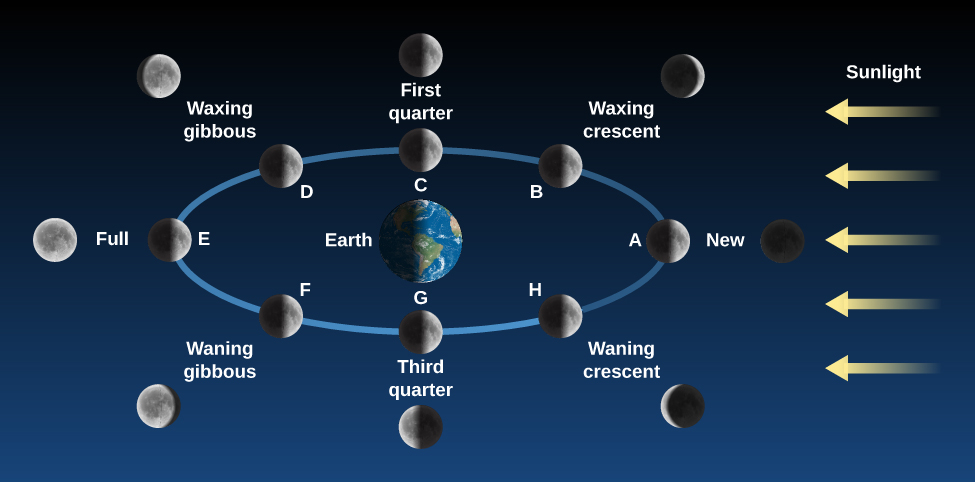
4.5 Phases and Motions of the Moon – Astronomy

Lukas and I have been reflecting recently how we don’t have many people in our lives who could see us when we were younger and still know us and can see us now, as we have changed our lives and identities have evolved quite a bit as we’ve grown up. I realise that isn’t everyone’s journey, and I think it is more common than we tend to collectively admit. I find it deeply valuable when we allow each other to change and remain in relationship and make an effort to witness each other throughout seasons and cycles, whether in human-human relationships, relationships with a place, with animals or plants or ancestors. I invite you to reflect how much you value that.

Exercise: Think of someone you witnessed change their life and sense of identity. How have you supported that transition? How have you projected a ‘past self’ onto that person and had to change/challenge your perspective?

giveheart If you value this content, please engage in reciprocity by living, sharing and giving.

My initiation into adulthood was evil

Long Blog by Lukas

I suffered brutal bullying in high school. I also acted as a perpetrator. And a bystander. Sitting on all sides of this equation is perhaps the hardest role of all. There are many anecdotes I could tell but one stands out, because it was an encounter with traumatic evil, and perhaps more than any other moment in my adolescence, marked the loss of my childhood innocence.

***Trigger warning: bullying story. To skip the story, scroll below to the next *** for reflections.

It was school camp 1998. Year 8. I was 13. My bullying experience at the hands of my so-called circle of friends had been slowly gathering pace. But there’s only so much that can be done in the hours of a school day. School camp was going to be a different beast.

Sensitivity and my steely sense of fairness and justice are amongst my greatest gifts, but like many such things, are a source of great vulnerability. I used to liken myself to a ripe peach. Not only did I bruise easily, but it showed so very obviously. Yet I never got squashed entirely. At my core I have a rock hard seed that doesn’t break. This gave my tormenters a sense of sport. Even the most sociopathic of people seem to tire of picking on something completely broken and pathetic.
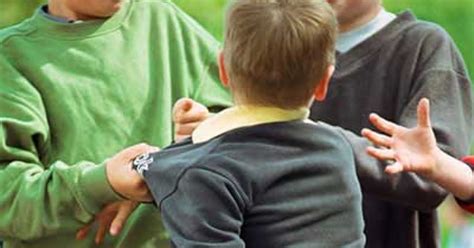
Bullying: ¿Que es el "Bullying"?In the days leading up to camp, a number of boys within my ‘friendship’ group had begun to use the word “core” and “non core” to describe members of the group. Core members received privileges, and non-core members were made to feel lesser than and ostracised from certain activities. I was “non core,” and it got to me, and they could tell. By then I had a number of nicknames that I hated too, not because they were particularly harmful, just the condescension of it all. We were meant to be friends. There was also a very dark and (as I experienced it) deeply shameful (though in hindsight, completely innocent) rumour of a sexual nature that had followed me all the way from early primary school that lurked in the background. Such was the power of the shame over me that they only needed to threaten to use it to crush all resistance I might have offered. Call this the nuclear deterrent. (Image from here)

Even at 13 years old, I feel like I had some responsibility for not exiting this group earlier. But even to this day I have a tendency to let things run their course in social dynamics even when it’s clear they’re not healthy. I call this my “crash the plane into the mountain instead of jump out with a parachute” mentality. It’s something to work on. And run its course it did, a crash course with the mountain of school camp.

It didn’t take long. A long bus ride filled with put-downs and taunts was followed by the announcement that only “core” group members could keep their bags inside the tent. There was also the “core” clothes line. I’d had enough. With a barrage of insults fired back in their direction, I announced that I was done with them. I made a deal with another brutally bullied chap who wanted to be in this social group to swap tents. I had no sympathy for him.

It was well and truly on. I had challenged their power publicly. The “nuclear deterrent” was armed and readied for use. Sexually based taunts have a particular sting to them, perhaps because we are so apt to feel shame in that area, such are our deeply socialised taboos. I tried to show my face at the campfire – as one wants to do at a camping trip – but the put downs were unrelenting. I had no defense, no come back. I ran back to my tent, tears streaming down my face. Beaten. Broken.

But worse was to come.

I wrapped myself up tight in my sleeping back and sobbed. It was not performative in the slightest, and was to my knowledge, private. But no.

All of a sudden I felt a deep pain in my back. Someone or multiple someones had followed me back from the campfire and had kicked me, hard, through the tent. I let out a wail and some kind of “f*** you”. Insults given amongst sobs are not that intimidating though. A few seconds went by. I wondered if that indignity would be the end of it. But no. A second kick, even more painful.

This time I let out a guttural howl of rage, and emerged from the tent. I didn’t see my offenders so I ran over to their tent and jumped on it with all my weight. As one of those boys used to just love recounting in the weeks afterwards, it was one of those tents with the springy poles that as soon as I got back to my feet, just popped back into shape as though I was never there. Never there. That was about right.

My chief tormentor – the de facto head of the group – emerged from their tent. I don’t think he was one of my kick attackers, but I didn’t care. I punched him square in the face with all my might – just the thing to fix a bully according to my dad and just about all popular culture. He was briefly startled and began backing away. I shouted at him to fight me. I’ll never forget the way the expression changed on his face: from surprise, to alarm, to a brief flicker of readiness to fight and then..a smirk…and a headshake. He then turned his back on me and walked away. Clever.

With that gesture of profound condescension, he won. Did I proceed to keep beating him, to have my fight whether he was going to show up or not? No I did not. And this haunted me – perhaps I might even say crippled me, though in truth this incident was but one of many – for years. Decades. Perhaps it still does.

I spent the following days feeling and playing dead. There was more to the bullying even on that trip, much more, but I’ll leave it there.

I did not tell an adult, the teachers. But I looked them searchingly in the eye. Perhaps I was asking myself “could, or should, I tell them?”. But no. I got the feeling they didn’t like me. One of them – the Deputy Principal in fact – actually and literally told one of my bullies that he didn’t like me. I don’t remember how I found that out. Perhaps it was because the previous year I’d been in his office for reasons of bullying on the offender side, and thus deserved it? Little did he know how much our thoughts were aligned, and how damaging this was to me.

***

Rites of Passage Meaning and Secular RitualsI was never, and could never be, the same person again after this and many other experiences like it around that time. Leaving childhood behind forever is of course a natural and desirable outcome of adolescence. But the vehicle for my passage, my initiation, my ordeal, was evil. This is so far from the intentional, ceremonial, sacred and mediated by responsible elders kind of initiation that is practiced by wise cultures. It was trauma without much meaning beyond developing an intimacy with evil. But it was an evil I could not name, such was my deep belief that it was my deep personal failings that brought it upon myself. (Image from here)

In writing this, my ordeal sounds very alike the relationship between the Church and the people in medieval Europe. Don’t focus on the wrong of having your Indigenous culture genocided, pray for your forgiveness for your innate sinfulness.

Our deep patterns reverberate until something more powerful intervenes. For me, it has been having my adult life and the whole identity I was raised with fall apart. It’s like I’ve had to do my right of passage over again, but scarred, burdened and traumatised by the experience of the first, and, weighted down by the intergenerational trauma of my ancestors that I not only carry personally, but that which is literally built into the social and systemic structure of the society in which I was raised and still live.

15 cool word illusionsEvil is a rather heavy hitting word. So much so that many modern social theorists reject it entirely, instead wanting to focus on pathological or environmental causes of harmful human behaviour. These perspectives are valuable, but to strip evil from our cultural lexicon is to reduce our ability to describe an experience of profound malevolence. (Image from here)

I think the aversion to ‘evil’ has more to do with a modern desire to have a common moral and ethical understanding of the world devoid of the spiritual. This is one of the many bad marriages between Western pluralistic liberalism and logical positivism. This is to say firstly, the belief that single sovereign entities (as opposed to confederations of sovereign entities) can hold and treat equally people with a diversity of spiritual beliefs, and that secondly, the rules and practices that govern such a culture can and should be based in concretely knowable moral and ethical truths that everyone can agree on.

In fairness to this way of thinking, much harm has been done under the guise of eliminating evil. Top down, coercive and dominating control of spiritual knowledge and life from religious institutions deeply abused the idea that there is an existential evil in the universe that should be eliminated at all costs. Attaching ‘existential’ to evil is deeply problematic (more on this later), and obviously even more so when wielded by those deeply beset by Wetiko

But regardless, in my view, to live fully as humans I believe it essential to experience life at the level of the spiritual. In this I’m talking about that which is experienced outside of rationally expressed conceptual reason; that which gives life a lot of its meaning. 

Awe - WikiquoteA sense of spiritual awe is never more important than when looking for ways to deal constructively with and making sense of profound suffering, pain and trauma. We need to be able to distinguish between the deeply painful in raw form, the tragic, and evil. I think this is why so many cultures “get out in front of it” so to speak, and intentionally inflict pain and ordeal upon people in the form of initiation. People need discernment in this area of life perhaps as much or more than any other. We need to see and be able to hold and make sense of the light, the dark and everything in between. (Image from here)

So like many, many things that have occurred as societies move on from Judeo-Christianity, the notion of evil is absolutely one of the babies that should not be tossed out with that bathwater.

Most people understand that suffering, pain and trauma are not synonymous with darkness and the shadow (though abusing our almost primal propensity to want to avoid it is a tremendously effective way to enslave people without their knowing it). They have a shadow, and can exist in shadow, but they are not intrinsically so. We experience them, and it is the quality of this experience that gives them their character. So they are definitely not evil, but they certainly can be expressed and experienced as so.

So what is evil?

Controversial Western psychologist Jordan Peterson has written and spoken a lot on the topic, and whatever you may think of his politics, I think what he has to say on this topic is valuable. He draws a very sharp distinction (perhaps overly so) between evil and tragedy.

The truly evil, he says, possesses a “demonically warped aesthetic”. After thinking about this for a while, I came up with my own version: “volitionally malevolent aesthetic”. I had to ruminate on what he means by “aesthetic” here, and I think he’s saying that part of a human action that comes from expression and taste, largely disconnected from practical necessity. When this expression is designed to cause extra suffering, that’s evil. Like a desire to manifest with free will and volition the polar opposite of beauty. It’s like he’s saying evil is almost like a kind of dark artistry.

Some of his examples are very very dark, such as the “work sets you free” sign on the gates of Auschwitz. This was not a work camp, but an expressly designed death camp. It was a deliberate torment. Evil upon evil. Something dark for the tormentors to enjoy.

When I think about my bullies, I think about the choice of things that they could have done to me. They chose things for maximum hurt, yes, a practical wielding of power. But the decision to kick me in the back whilst I lay sobbing in my tent, was an expression of some kind of dark…aesthetic. It was mostly unnecessary in a practical hierarchical sense. I was already beaten. It was about giving the whole affair a certain sadistic panache; an evil cherry on top.

The use of the word “demon” is interesting. Within Christianity it is used existentially. The devil is evil, and will always be thus, as a more or less cosmological fact. And so given his Christian sympathies, I am suspicious of Peterson here. So to me it proved interesting to look up the etymology of demon. (Image of Pazuzu, a Mesopotamian demon Valerie has seen in a number of visions and found to be helpful)

In its earlier usage, Demons were seemingly not originally nor wholly, existentially bad or dark.  It was behaviour that was so. In most indigenous cultures, their darker characters or malevolent spirits are more teaching tools that everyone can learn from. Collections of energies that serve to remind all of us of the darker tendencies that we need to watch out for in our own selves. As spirit beings and helpers, there are more shades of gray, and less taboo. Perhaps this is what modern social theorists want to achieve when they focus on the environmental and social factors behind dark acts, rather than the physical or spiritual pathology. But I do believe we need to work with evil as a teaching tool, to help us see what we’re capable of, learn to avoid it, and process its meaning constructively. Because it does exist, like it or not, and if we pretend it doesn’t, I’m with the Christian perspective that “the greatest trick the devil ever pulled was convincing the world he didn’t exist”. I think denying evil’s existence will be to our severe detriment. 

For me, deriving constructive meaning from my experience of evil has been largely about breaking my attachment to a culture that fostered and tolerated the behaviour on the one hand, and in other circumstances, punishes those who do evil with more evil. This, I think, was the mentality of the Deputy Principal who thought I “deserved” to be abused. Like jail in most countries, which makes an almost science out of doing evil onto those accused of doing evil (though I suspect jails contain more people whose crimes are better described as more tragic than evil).

With more space from modern Western society, I feel more free to access and develop healthier understandings of myself and the universe that situates evil in a more balanced perspective and context. 

Exercise: Reflect when and where you feel you have encountered evil. Have you been able to process it in a way that felt constructive? Consider re-visiting one such encounter using an altered state tool such as meditation with the intention of reframing the meaning of your experience.

giveheart If you value this content, please engage in reciprocity by living, sharing and giving.

Mothering amidst intergenerational trauma

Blog by Valerie

Breastfeeding art . mom and baby . motherhood illustration . | Etsy in ...‘We are cycles of time’ stuck in my head after reading a Chinese astrological perspective on the lunar new year before bed. I couldn’t sleep, and my seven month old has been struggling before bed recently too, getting a burst of energy after indicating she’s sleepy. Though neither of us knows quite how to best help her settle, we’re getting there.

I knew in my pregnancy that my nervous system was overloaded. I spent the first few months exhausted and unable to get out of bed, processing a load of grief, only some of which felt like mine. I felt the absence of my mother, grandmothers and wise aunties in a deeper way then. I lost them all to trauma. No one in my family has accepted that I was sexually abused, because no one can handle their own triggers and emotions around that being true. Their paths of denial have, from my perspective, all been painful and tragic.

My dad died from a repeat bout of cancer soon after I told his whole family that one of theirs was my abuser. One grandmother had multiple nervous system disorders, the other lived under such oppression that her back was curved into a C shape from the weight of what she carried on her shoulders. My mother increasingly took so many psychiatric pills to numb her pain that she could no longer be human with me.

Professionally I have done restorative justice with survivors of clergy sex abuse and clergy of integrity who wish to take responsibility on behalf of the Church. I have also chosen to heal some of my own child sex abuse trauma by doing empathic dialogues with sex offenders and their family members as research, to understand their experiences and therefore see my own in a new light. I’ve worked in child welfare and domestic violence, in developed and developing countries.

Calculating Cycle Time for Manufacturing Processes - Latest QualitySo it’s fair to say that I have seen plenty of intergenerational trauma playing out in mine and other people’s lives. It’s particularly humbling to see it play out now, as a mother with my baby. But once I realize that’s what’s happening, I know we will have to ride this cycle of time out. And I feel grateful all the trauma I inherited and grew up with led me to learning how to work with that tough, powerful energy. (Image from here)

Before feeling ready to become a parent, I worked hard over many years to process trauma and heal, to live differently than I was raised. I know from my PhD on indigenous trauma healing that altering consciousness is an important part of healing. And I still meditate throughout the day, with my baby, often when she’s feeding and sleeping on me. I know that I’m not in control of the triggers, and that working with the land to ground my memories eases my load.

This past weekend our landlords, who did some work to baby proof the house we’re renting, shocked us by giving us notice, saying they don’t feel like they can keep our baby safe on their property, and they’re scared about liability should something happen to her. I had no such fear here. We’re living rurally, and both my partner and I grew up in big cities.

This felt like a bait and switch and really surprised me, because as a mother keeping my baby safe is primarily my responsibility. I had just finished baby proofing the house and setting up safe play areas for her to crawl, buying some carpet and even paying to get the floors super clean and ready for the baby to scoot around on.

I didn’t sleep well for a few nights after the notice, wondering if we did something wrong, why this is happening, though the landlords said they have no complaints about us. And then it hit me. My first recovered memory of child sex abuse was my uncle and his wife touching me in a baby bath. I must’ve been about the age my daughter is now. And our landlords seem to be, for reasons of their own that I don’t know, playing out some of this fear and rejection energy with us.

We all attract what we need to grow and heal. Looking through mother’s eyes I’ve been finding it increasingly harder to relate to my family’s choices in caring for me. It’s hard to need support and know not only that they can’t help me, but that I need support because I now have the responsibility of both processing the trauma I carry from my childhood and inheritance, as well as trying to show up differently for my baby.

Childbirth was a clear example of this struggle for me. We planned a home birth with the support of a local doula and a virtual midwife who was on call for us during the birth. She also helped us prepare, mostly emotionally and mentally. I had done birth regression healing previously, yet ninety percent of what I experienced in childbirth was witnessing my own birth and my mother’s lack of consciousness and connection with me – not my connection with my baby, though I could feel their presence and had a knowing that she was okay.

free clip art mother and child 10 free Cliparts | Download images on ...I have felt a lot of grief that so much of my energy in the pregnancy and birth, and even as a young mother now, is about processing trauma and grief instead of just being in the moment enjoying my baby. Though I feel nervous about looking for housing, packing and moving, I realize we’re all a cycle in time. And though it’s tough, my role now is to process as much trauma and ground as much nervous energy as I can so my baby has more opportunity to be present with their child in the next cycle.

Reflecting on these cycles, I remember that the article about Chinese astrology said that the last year of the water rabbit was 1963, when Dr. Martin Luther King Jr. made his famous I Have a Dream speech. I grew up in Atlanta, and he’s long been a hero to me. Yet this lunar new year cycle started with a lot of violence at it’s celebrations in California, and among African Americans in Memphis, the city where Dr. King was killed.

Intergenerational trauma plays out in so many layers. And we’re all in this together. I’m reminded of other wise words from Dr. King:

“If a man is called to be a street sweeper, he should sweep streets even as a Michaelangelo painted, or Beethoven composed music or Shakespeare wrote poetry. He should sweep streets so well that all the hosts of heaven and earth will pause to say, ‘Here lived a great street sweeper who did his job well.”

I’m holding steady as best I can, bringing compassion, grounding, and unconditional love and acceptance to all the trauma that shows up. And I hope one day when she’s a parent, my baby feels that I swept our street well and gave them tools to survive these trauma cycles of time.

giveheart If you value this content, please engage in reciprocity by living, sharing and giving.
What is Indigenous spirituality?

Blog by Valerie

A friend brought this question to me, and I thought it a good one to take on. For some, being ‘spiritual’ is like the U.S. Supreme Court decision about porn – ‘I know it when I see it’. For some it’s intertwined with religious rites. For me, spirit is an animating energy exhibited through an act or a relational dynamic that connects all of us beings on Earth. For example, the spirit of my relationship with my daughter is characterised by a lot of joy, and the spirit of my relationship with my dog is primarily one of companionship. Spirituality is cultural, and mine is Indigenous, based on an animistic understanding of the world. I see all beings on Earth, including rocks and even manmade plastic toys, as having spirit, some kind of animating energy.

MAGICK RIVER: RELIGION, SPIRITUALITY, AND TRUTH (repost)(Typical image of ‘spirituality’ from here)

Spirit with a capital S to me refers to a big creative and destructive energy that is more than any identity I can hold, of which I am a small part. Some say Great Spirit, some say God. Spirits plural to me refers to beings that I see in dreams or visions, or experience through the four invisible clair-senses (clairvoyance – seeing, clairsentience – feeling, clairaudience – hearing, claircognisance – knowing – described by Diné Elder Wally Brown as the counterparts to our five physical senses represented by our five fingers and the four spaces between them.)

So if this is what spiritual, Spirit, and spirits mean to me, what does it mean to ‘be spiritual’? First, it means acknowledging some energies/forces/beings that are too vast to be encompassed by an individual, or even our collective, human identity. Second, it means openness and awareness of the invisible clair-senses, and to experiences that are not explainable, or sometimes even experienceable, in materialist, physical terms.

My view is that children naturally see the world in an animistic way, and that through teachings begin to close their mind (and obscure their clair-senses) to other inputs. Recently a four year old asked me to read her a story about werewolves, then asked me if they were real. I said, I don’t know, what do you think? Have you seen one before? But her mother quickly jumped in to say that no, they’re not real. Of course she is entitled to teach her daughter that and presumably she believes that to be true. I have not personally encountered a werewolf in my dreams or visions (or the material world) but I tend to think that if such beings loom large in our collective human psyche, and even across cultures, that there is likely something to it.

When Scientists Dabbled In Clairvoyance | ThinkHow do we know the difference between a spiritual experience and our imagination? I have seen a lot of people struggle with this – with their minds tricking them into thinking they have encountered a Spirit, for example. For me the difference is in embodiment. And when in doubt, see if and how changes occur in your everyday life as a result of the insight or guidance you got. (Image from here)

That spiritual experiences are grounded in the land and embodied in everyday life is a foundation of Indigenous spirituality. In an Indigenous worldview, an identity is commonly seen as a collection of relational dynamics, including relationships with humans and non-humans. This interdependence is often honoured through totemic relationships and responsibilities to do rituals and ceremonies. If I see my identity and my very existence as tied to the water in a river nearby and the fish in it, then it makes sense to fight for their survival and even put my own life on the line. See this recent example from California regarding the centrality of salmon to Yurok, Karuk, and Hoopa Valley tribes.

This may seem extreme to Westerners, even environmentalists willing to put their lives on the line for Mother Earth, because it’s not just about how humans need water or fish to survive, it’s the particular patch of earth (or sea or sky) and relational responsibilities there that matter to your very existence. If those fish die, you die; there is no supermarket to run to for other food. If you have to leave your land, you may get killed by others when you go onto their lands, or you may die not knowing how to survive there and live in a sustainable healthy way there.

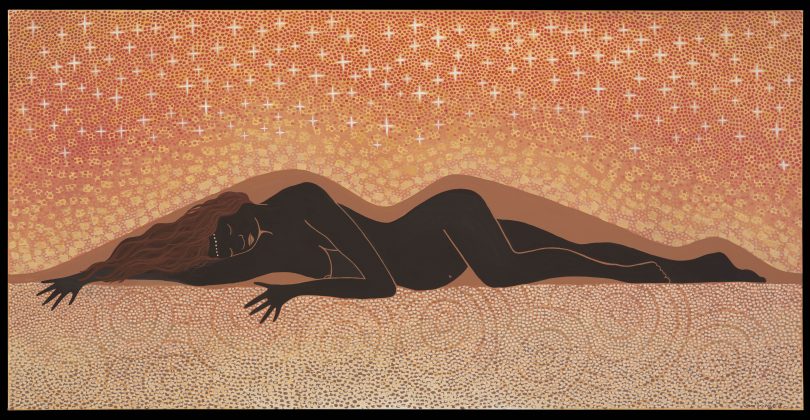
(Art by Cheryl Davison, Yuin woman, of the pregnant mother spirit of Gulaga mountain, protector of the land we are now grateful to call home, from this site)

In the Presence of Gulaga-2

(A photo of me in front of Gulaga taken a few years ago by Lukas before we knew we would be moving onto her country)

Western counsellors talk a lot about attachment theory. Right now when my baby cries (or is about to cry) I feel such pain inside, and such an urge to help her, I have to respond. Imagine feeling pain like that when a sacred site you’re responsible for is threatened with mining, and the urge to prevent it. Imagine the pain when it’s blown up and doesn’t exist in physical form anymore, just spirit and memory. Maybe you don’t need to imagine that – maybe you have tapped into that well of pain most of us are carrying in our ancestral roots. Maybe on your traditional lands, or like me, on lands you are spiritually adopting and feel are adopting you and your family too.

giveheart If you value this content, please engage in reciprocity by living, sharing and giving.
Embodiment

Blog by Valerie – a final chapter shared from the book that was just written

Being authentic, centred and grounded means having awareness of our core values and doing our best to en-live-en them through our life choices and forms of expression. Embodiment is a recognition of the universality of our connection with all of Creation as well as our individuality of lived experience. It’s important not to confuse lived experience knowledge with intellectual understanding or awareness, often referred to as ‘knowledge’ in Western science. We all have intellectual under-standing and awareness about life experiences we haven’t had; for example, we may say that -10 is cold, but unless we’ve felt it, we don’t have an embodied knowing of how cold that is.

coehlo quoteThere is so much power in lived experience that from an Indigenous science perspective, it is the only way we can ‘know’ something. People with a lot Western theoretical or book ‘knowledge’ are often seen as arrogant, or even dangerous. If you’ve learned some ‘evidence-based’ ways to prevent obesity, you will still have a limited ability to empathise with people who have experienced it themselves or witnessed it through an intimate relationship. Knowing our standing, or positionality, makes a huge difference in how well we embody our values and medicine. Our standing refers to placement – socio-politically, culturally, physically, emotionally, mentally, and spiritually. I’ve included socio-politically and culturally because we live in two worlds as Indigenous scientists and need to be aware of our Western political placement as well as Indigenous cultural placement.

positionality-300x156As an Indigenous scientist living far from ancestral lands, from a socio-political perspective, I am a settler[1] doing my best to be a political ally[2] of Aboriginal peoples of Australia. I can’t experience what’s embodied through their cultural lineages and relationships; they carry a power of intergenerational knowledge that, if shared with me, supports me to build my own relationships with their ancestors and the land where I live (Image from here). Gitksan scientist Dr. Cindy Blackstock explains Indigenous scientific trust in long-tested ancestral wisdom and our collective responsibility for carrying and passing on Indigenous knowledge:

As knowledge trustees, whose job it is to understand and relay knowledge which has been passed down by generations before us, we pay great attention to the detail of the knowledge and the values and spirit embedded in it so that we can pass it on. Because knowledge needs to echo across lifetimes and generations, multidimensional standards of rigor are needed to ensure knowledge is understood within the four dimensions of learning: spiritual, emotional, physical and cognitive and that each teaching is situated within an interconnected knowledge web[3].

It’s natural to speak about things we haven’t experienced at times, but it’s wise to do so with humility in recognition of our standing within that interconnected web of life. For without lived experience (which includes knowledge embedded in our bodies through ancestral inheritance), to some extent we are guessing.  

Embodied methods for sharing traditional knowledge have helped ensure its efficacy and accuracy over time and prevented the impact of such human limitations from diluting or distorting it. As Dr. Lynne Kelly explains, “At every level of initiation into knowledge there were memory aids…from hand-held objects to art on bark or rocks, to the landscape itself”[4] in addition to songs and stories that were easy to remember yet cleverly layered with knowledge[5]. This is why changing landscapes and moving Indigenous peoples can be severely disorienting and detrimental to cultural integrity.

Exercise: Reflect on embodied memory aids you have – such as objects in your house, photos, places you go, music, etc. Which ones bring you joy? Which ones feel like clutter that could be let go? Are there any that trigger you into trauma or other difficult emotion? If so, do you wish to let them go or ceremonially cleanse them?

It’s helpful to consider that our bodies themselves ‘speak’ stories, with our bones showing how nourished we are, our body’s ergonomic strain, and even our toxin exposure[6]. Our bodies also arouse stories in others. Shona scientist Dr. Virginia Mapedzahama says when she walks into a room she experiences predetermined socio-political space simply because of her Black body[7], whereas Yuin scientist Shannon Field describes awareness of her socio-political privilege since she can pass as White though she is a Blak Aboriginal woman[8].

To further complicate things, many of us have lived experiences that aren’t fully processed. For example, if someone believes that lying makes them a ‘bad person’, they may subconsciously trick themselves and others into believing an altered story that omits a ‘bad’ thing they did. An acute listener will likely experience cognitive dissonance, a sense that the storyteller’s heart and head were in conflict. This highlights the importance of using discernment with shared knowledge, even when it is embodied.

Exercise: Reflect on what spaces embody, such as a school, a park, or a prison. Reflect on what social structures embody, such as a performer and an audience, or a judge sitting higher than the jury, victim, lawyers, or the accused. Reflect in your own life what you embody and what you intentionally wish to.

giveheart If you value this content, please engage in reciprocity by living, sharing and giving.

[1] For a discussion of the settler role, see Settler trauma dialogue: https://www.youtube.com/watch?v=wj5-MTr78V0&t=3s

[2] For a discussion of embodying Indigenous allyship, see Weaving Knowledges dialogue: https://www.youtube.com/watch?v=N9N7UE7UMqY

[3] Blackstock, C. (2007). The breath of life versus the embodiment of life: Indigenous knowledge and western research. World Indigenous Nations Higher Education Consortium Journal4(1), 67-79, p. 68.

[4] Kelly, L. (2015). Knowledge and power in prehistoric societies: Orality, memory, and the transmission of culture. Cambridge University Press, p. xvii.

[5] See e.g. Karl-Erik Svieby & Tex Skuthorpe. (2006.) Treading Lightly: The hidden wisdom of the world’s oldest people. Crows Nest, NSW: Allen & Unwin.

[6] See e.g. Krieger, N. (2005). Embodiment: a conceptual glossary for epidemiology. Journal of Epidemiology & Community Health59(5), 350-355. https://jech.bmj.com/content/jech/59/5/350.full.pdf

[7] Navigating whiteness dialogue: https://www.youtube.com/watch?v=sYYN-f5m3YI

[8] Identity politics dialogue: https://www.youtube.com/watch?v=SxIJAARiZLo

Spirit baby birth story

IMG-20220515-WA0000Recently Lukas and I welcomed our daughter into this wild world. We won’t be posting any photos of her to protect her privacy, but here is one of us with her in my womb. More people are becoming familiar with the concept of a spirit baby (often through this book I haven’t read), and I wanted to share about our experience. One definition is: “A spirit baby is the consciousness of a baby waiting to be born to you and your family. Long before incarnation, spirit babies connect with the parents who will most likely facilitate the learning experiences they need to have in their next life.” 
Years ago when we were living in the U.S. and I was going through some intense childhood trauma healing, for the first time in my life I couldn’t imagine having a child. I was in so much pain that I thought I might need to just process that this lifetime, because I felt determined not to pass it on to a child of my own. And soon after I let go of having a child, a spirit baby came to both me and Lukas in dreams. We compared how she looked and felt confident that it was the same little girl, and I accepted her visiting us as a message that we would have a daughter in the future and told her we weren’t ready yet and needed help to be ready to parent her. 

Knowing she was coming to us and that we would get through whatever relationship challenges we had (and there were some big ones) helped us find the strength and stamina to work through things. Over seven years she came to us a number of times in dreams and meditations, and we felt like she was guiding us as well. She told me her name and showed me where she’d be born if we stuck with the path we were on (which we didn’t), and showed us a way out of at least one tough situation. When we moved last year to Yuin country, I did a lot of nesting. I felt that she was coming sooner than we would find ideal, as we hadn’t been here long enough to build community, but I trusted she knew what she was doing. I felt the moment I became pregnant, and I knew it was her spirit. 

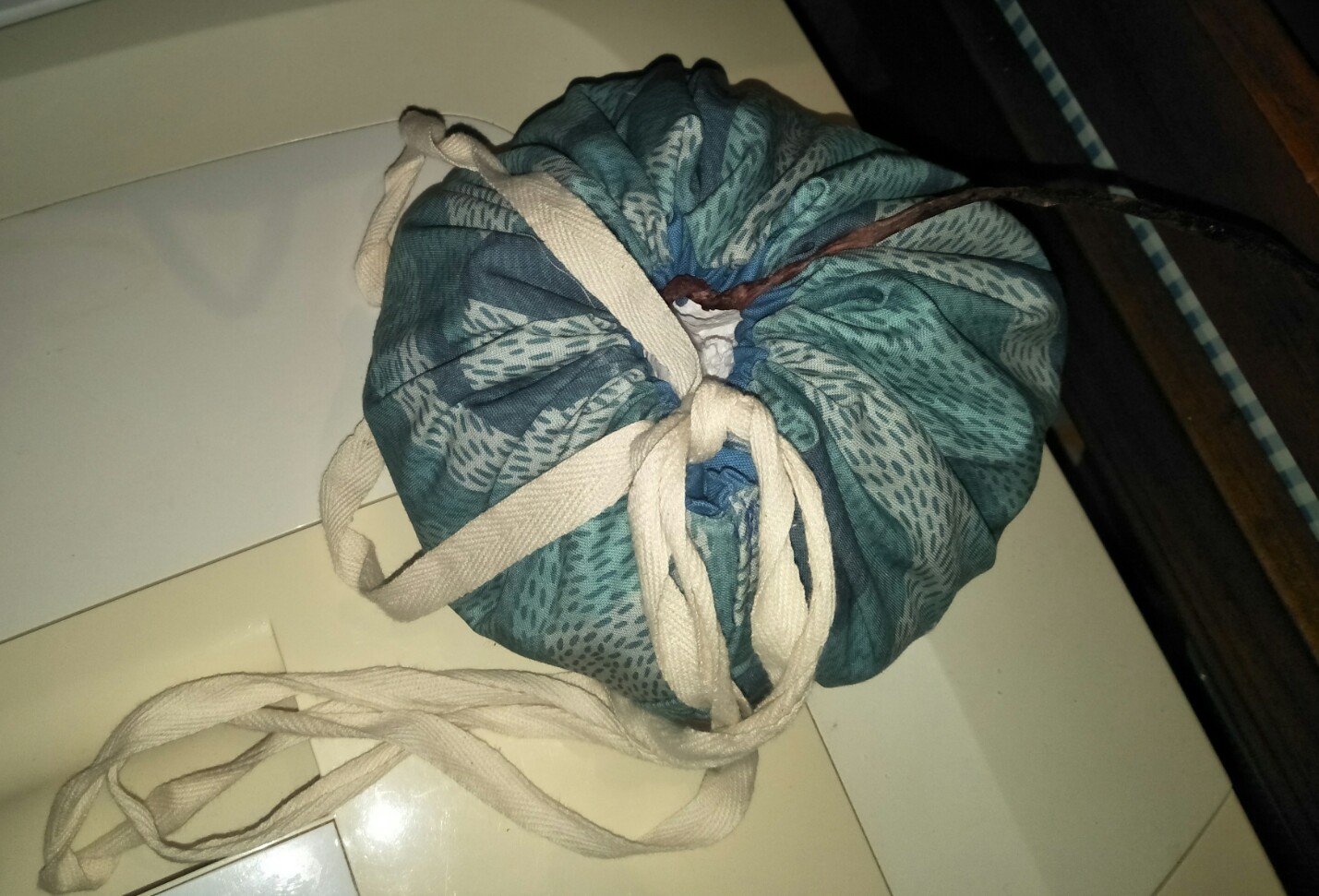
IMG_20220617_195036And I got messages from her throughout the pregnancy; for example, I knew to honour the placenta with a burial ceremony, but she wanted a lotus birth. That means the umbilical cord isn’t cut, the baby and placenta separate when they are ready. According to Western science, blood from the placenta finishes flowing into the baby between 10 minutes to an hour after the placenta is birthed. This is why delayed cord clamping is becoming more popular in hospitals. But spiritually, my body grew the baby and the placenta – her twin and primal nourisher – and for many hours after her birth I felt that she was being energetically nourished by the placenta and didn’t even need me for hours during her early transition. She and her placenta twin held onto each other for 10 days. I sewed a special bag to carry the placenta in and made a mixture of salt and herbs to dry it out. It was logistically a bit tricky to handle the placenta with the baby, and we had to choose clothes and swaddles that allowed them to still be connected, but it was what she wanted. She and her placenta chose when to let go; we didn’t intervene.
Similarly, I chose to birth at home and breastfeed, which I felt this was important to the baby also. I wanted to heal from my own experiences and give her the most peaceful, supportive start in this life that I could. Throughout the pregnancy, the birth, and postpartum, I simultaneously bonded more deeply with my daughter and my husband, and continued to process my own early childhood and grieve and let go as stuff arose.

Play the Hand You're Dealt : Life Lessons from Solitaire - positively ...Sometimes it’s tough to accept that the best gift we can give is to prevent the passing on of painful experiences and confused projections – and not by withholding or denying, which just buries the energy – but by expressing, grounding and processing it. Sometimes I grieve that my inheritance requires me to remove toxins as best I can to clear the way for future generations. I’d rather be planting seeds and tending to beautiful healthy eco- and social systems to pass on instead, but that isn’t how most of my energy is spent. How fortunate I am that this spirit baby picked me to be her mommy, and on some level of consciousness, I trust she understands the state of things, the world she’s been born into, and that we’re doing our best.

Forgiveness

Here is another chapter from the book I am writing. I hope you enjoy! Blog by Valerie

Ho'oponopono Blog en Español de Mabel Katz Archives ...Some years ago while working with practicing Jews and Christians, I realised the underlying process many of them were continually going through: judge an act as righteously right or wrong, confront moral failings within oneself and others, then forgive and let go by giving anger to God or Jesus. The depth of potential existential judgment is so intense (e.g. eternal damnation and social ostracisation), that it can be very hard for people to acknowledge ‘wrong’ behaviours. I have experienced numerous instances of trickery of someone intending to forgive and let go (or deciding to avoid an issue), resulting in hurtful and confusing passive-aggressive behaviours. Often the underlying issue emerges years later after so much resentment has built up and trust eroded that the relationship becomes very hard to repair. (Image from here)

I was taught this judgmental process by Jewish family members, and had it reinforced by community members while growing up. I am thankful that another process was also taught to me by some Frisian ancestors: the process of accepting. I became consciously aware of this process as an adult when I worked with Tom Lake (now retired), who founded the International School of Shamanism on the foundational process of ‘unconditional love and acceptance.’ Belle Noir Magazine | Big. Beautiful. You.: Fearless ... Though it may at times seem more painful in the moment, I find loving acceptance brings me immeasurably more ease and peace than judging. I then discern what, if anything, I need to say or do when I experience hurt or realise I have caused hurt in another being. I remember Tom saying to me once that even when he doesn’t think he’s done anything wrong, if someone tells him that his actions have hurt them, he chooses to apologise because it is not his intention to hurt anyone. I appreciate the humility in that, and that it also helps hurting hearts to remain open to an ongoing relationship. (Image from here)

A common misconception is that a process grounded in acceptance means we make excuses for concerning behaviours. That is not my experience at all. In fact, working among Aboriginal Australians in the Northern Territory, I heard lamenting from many community members about how Western ways have eroded their traditional forms of justice and created more intense and seemingly never-ending conflicts. In many Indigenous Australian cultures, when someone broke a traditional law, a member of the aggrieved family would ceremonially spear a member of the offender’s family. This ceremony created an opportunity for everyone to accept what happened, because the aggrieved party could admit wrongdoing and face a consequence that would then restore their social place in the community, and the offended party could act as a channel for spiritual retribution. This is referred to in English as ‘payback.’ The spearing could hurt or kill someone, or it could miss them altogether, and the outcome was accepted as the will of the spiritual realm. Once the ceremony was done, the issue was let go, and relationships were restored.

Feud (TV series) - WikipediaNow that the Western justice system has criminalised the payback ceremony, many Aboriginal people in the Northern Territory struggle to reach forgiveness with their Indigenous science of justice. I heard about someone who had been in prison for years as ‘Western justice’ who was released and immediately had to face spearing if he wanted to see his family and community again. I heard about family members of an offender being beaten up until someone agreed to be speared in place of the offender in prison. I heard about decades-long violent feuds involving multiple generations where many people didn’t even know how the feud had started, but no one felt justice had been satisfied. I even heard about someone trying to sue someone else for using sorcery against their family as payback instead of spearing. It’s a mess. (Image from here)

Whether a spearing ceremony resonates with you or not isn’t the point; the point is, it was working for these peoples for many thousands of years. Their shared understanding of the world, its laws, and the intervention of the spirit realm supported people to admit and face consequences for ‘wrong’ acts and then reach a space of collective forgiveness and letting go of the issue. For me, such a justice process accepts that being human inevitably includes engaging in some ‘wrong’ acts. In traditional Indigenous justice processes, it was very rare that anyone was seen as unredeemable, and even if they were, it tended to be seen as someone’s spirit being overcome by a disease such as Wetiko rather than a failure of their individual moral character. We are all influenced in our sense of self by stories and projections from others, and I encourage you to consider how you feed this in the following exercise.

Exercise: Reflect on someone you dislike and feel some aversion towards, whether it is someone you know or a historical figure like Hitler and fill in the blank: He/She is  _________. Consider the meaning of saying someone ‘is’ a trait such as ‘evil’, or ‘too selfish’. Is that their identity in your eyes? Do you judge it? How might you be hurting them, and yourself, by holding these stories and projecting that onto them?

♥ De Coração a Coração ♥: HO'OPONOPONO E UM POUCO MAIS....Though we may not be able to ceremonially heal with the people who hurt us or people we have hurt, we can do spiritual ceremonies on our own to change the way we hold people and what we project. Shifting our perspective requires us to hold paradox and avoid binary and judgmental thinking. In traditional Hawaiian culture, people use “Ho’oponopono, the traditional conflict resolution process…[to] create a network between opposing viewpoints…that allows dualistic consciousness to stand while becoming fully embodied by the ecstatic love of Aloha”[1]. In Hawaiian science, illness is caused by breaking spiritual law and requires the offender, aggrieved, and their entire families to forgive themselves, each other, and seek forgiveness from the spirit realm before the illness can heal[2]. The traditional Ho’oponopono ceremony has been adapted for outsiders to practice forgiveness by Hawaiian kahuna Morrhah Simeona and her student Ihaleakala Hew Len[3]. Though these teachings have been criticised as being New Age-y and deviating from traditional teachings, I find one of the basic elements useful and include it as part of the exercise below. (Image from here)

Forgiveness exercise

Ground and centre yourself and create sacred space. Bring to mind someone who has hurt you. Imagine that person’s face and see them saying the following to you in your mind’s eye: “I love you. I am sorry. Please forgive me. Thank you.” If it feels okay, imagine saying the same phrase back to them. Be with any feelings that arise.

Next time you feel hurt by someone, take some time alone and then do some eye-gazing and say these four sentences to each other. Notice how you feel.

[1] Colorado, A. (2021). Woman Between the Worlds: A call to your ancestral wisdom. Hay House, p. 128.

[2] Veary, N. (1989). Change we must: My spiritual journey. Institute of Zen Studies.

[3] Vitale, J., & Len, I. H. (2007). Zero limits: The secret Hawaiian system for wealth, health, peace, and more. John Wiley & Sons.

giveheart If you value this content, please engage in reciprocity by living, sharing and giving.