Tag Archives: mental-health

For the love of destruction

Blog by Valerie

We recently revisited one of my favourite childhood movies with our daughter, Ferngully. I was reminded of the depiction of pure destruction and the power and joy of that aspect of our nature in the character of Hexxus (what a metaphorical name!). 

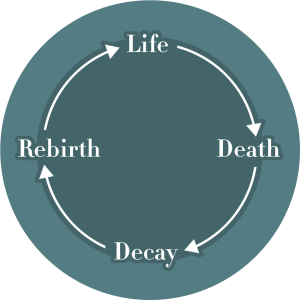
I like to refer to the cycle of the Earth as birth, life, death and rebirth, but I’ve also seen it as birth, life, decay and death. I consider death to be a process of decay so to me that’s an overemphasis, but what I like about it is the reminder that it’s part of a natural cycle. And shouldn’t creatures who support death and decay be celebrated as well? (Image from here)

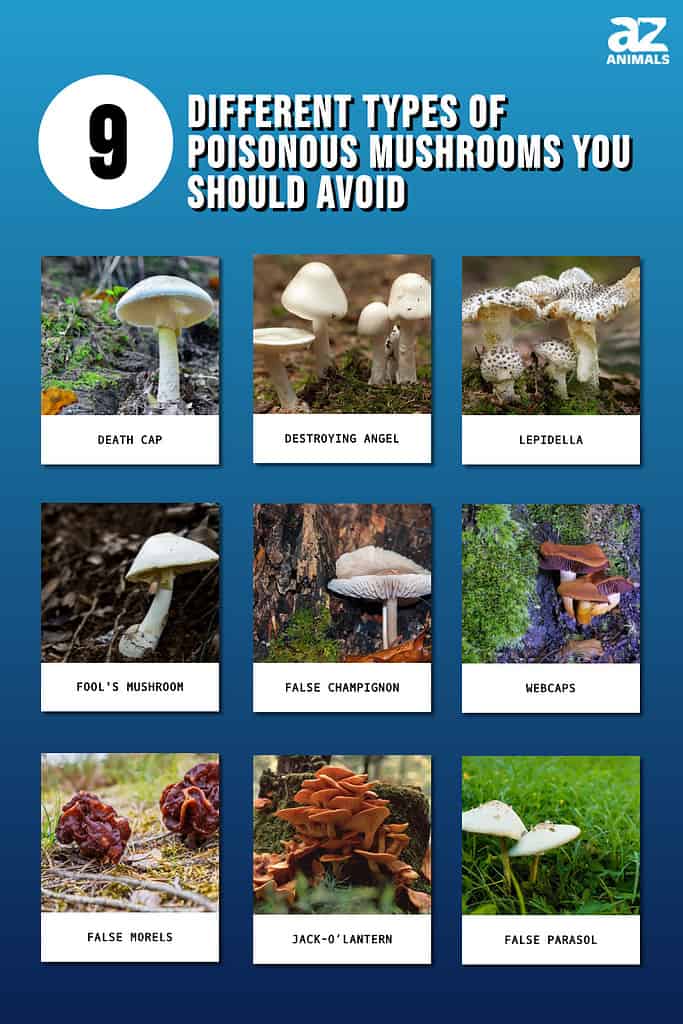
We recently got some king oyster mushroom spawn and are going to try to get some growing out of stumps and sawdust. Fungi are experts at death/decay. Many of them we enjoy eating and cultivating, but of course a few are poisonous, some with lethal levels of toxins. The possibility of those few highly toxic ones (I saw estimates of 2-3% of all fungus) is enough to make most of us too scared to forage unless we can confidently get a positive ID. 

If 2-3% of the news and goings on in the human social world were highly toxic and potentially lethal, it would be easier to live with witnessing the death/decay aspect of our being. But that isn’t the level of toxicity I now perceive, nor the level I grew up experiencing as a child.

We talk about avoiding toxic people, toxic chemicals, but we can’t totally escape our environments. Sometimes we hear about miracle bacteria that can eat petrol and clean the ocean. I feel like that’s a better metaphor for what we socially need to aspire to rather than just avoiding. Avoiding means we’re giving space to poisonous people to keep going down their path. And that affects us all. Fighting, even with the most righteous and pure hearted warrior energy, literally creates toxins in our bodies. So we’re still fuelling the poison. But transformation or alchemy is a different spirit. It is at the root of the metaphor I love of turning sh*t into fertiliser. (Image from here)

Physically I avoid engaging with highly toxic people as best I can so that: spiritually I can hold the relationship with unconditional love and acceptance; emotionally I can weather the intensity of feelings of the poison lingering in me and the pain of doing alchemy; and mentally so I can process what behaviour was love and what was hatred that feels so familiar I thought it was love because in my innocence that was all I knew. 

Reflection: Destruction is vital to our planet. Toxic destruction isn’t, and we all suffer for it. Alchemy helps me. What helps you move through it?

giveheartIf you value this content, please engage in reciprocity by living, sharing and giving.

The Paradox of Healing

Blog by Valerie
Years ago when I took a uni course on social psychology my main takeaway was that people who use positive psychology have better mental health than those who don’t. But, if a belief or mantra that has been helping the person is shown to be untrue, their mental health becomes worse than people who have not used positive psychology at all.
That resonated, because years before then when I lived in South Africa, I used positive psychology to survive danger (murder, fire, death threats, riots — if you’re interested you can read about it in my short novel). I drove around repeating to myself, ‘I am safe’. It helped, and it was exhausting to keep up that mindset in such circumstances. When I got back to the US, all I did for three weeks was sleep, walk in the woods and cook. I had a lot to rebalance, and I knew my positive psychology coping strategy was a form of trickery, or sorcery.
I haven’t written much about sorcery because I prefer not to use it much. I think I’m in a minority among spiritual practitioners about this. But when we do sorcery, we’re potentially missing important life lessons, while also opening ourselves up to more powerful sorcery and trickery by others in a cycle of endless power games.
I consider it sorcery to do a ritual for a specific intended outcome, such as keeping myself safe in an unsafe environment, getting a specific job, etc. Note: I consider it a prayer or wish when doubt and openness are intentionally included. And I consider it rebalancing and healing when shifting trauma- based beliefs into life affirming ones, such as moving from “Life overwhelms me” to “Life supports me.” This is healing trauma trickery / destructive sorcery!
Consider the difference between a ritual with the intention of “I call the right job to me now”, and “I receive an offer for the job I just interviewed for within the week”. I like to use the phrase”or something better” at the end of many prayers, with trust that I can’t even imagine at times what would be best for me, and with the acceptance that what’s best will feel unpleasant at times. That’s part of trusting life and embodying a shamanic “I don’t know” mind. If for survival reasons you decide you really do want to just use sorcery to get the job, then I don’t want to lay any existential judgement about that being wrong; I just want to say that there are tricky consequences for that, often which we don’t realise until later.
There’s a common myth that healing can be completed, like we can cross it off a list. A wounded healer is often understood to be someone who’s “finished healing” in many ways and is ongoingly healing deeper layers in their life. There are some lessons that we don’t revisit in our lives, and others we are surprised come up again: “I thought I/he/she was over that by now!” (Image from here)
So much of why this is a myth is because we can’t transcend our circumstances. I can’t heal a wound around capitalism while living in a capitalist economy. I can make changes in my life to limit my relationship with capitalism, but I can’t totally escape it. Even if I went to live alone in the bush, totally naked and without a knife or anything manufactured, I’d still have had my life path and thinking shaped by capitalism to the extent of choosing  extreme rejection of it!
I have been noticing thoughts coming up about a belief in trusting that I have everything I need, so if, for example, my family isn’t around, then I mustn’t need them. I needed to think that way to survive estrangement; it was a balm for a big, painful abandonment wound that I carry. But I don’t need that sorcery, that positive psychology trickery, anymore. The truth is, I do need my family, and I am actively experiencing abandonment every moment of every day we can’t relate. What I can trust is that I need to strengthen my capacity to be with the pain of the wound. My capacity to be truthful and neutral about a wound is my medicine as a Medicine Woman. And embodying my medicine strengthens me and those around me. That allows me to protect myself better, so I don’t play out abandonment games with others in my life. When I have the capacity to accept and hold the truth, that I both need my family and don’t have them in my life, then I feel more empowered and more whole. The wound gives me purpose and defines my medicine. (Image from here)
That’s the paradox of healing: we’re strong and secure in being both wounded and whole at the same time. Sorcery, whether positive or negative, doesn’t give us that. It is by its nature, forceful and charged, not neutral, open, and flowing. Doesn’t mean we shouldn’t ever use it, but it does mean, we are wise to use it carefully.
giveheartIf you value this content, please engage in reciprocity by living, sharing and giving.

Honouring our Rage

Blog by Valerie
Rage matters. It’s a passionate, spirited emotion. Spirit keeps our inner fires burning and helps us feel alive. We need healthy spirits! I remember spiritual teacher Tom Lake, an Anglo-Celtic medicine man sharing that to try to get rid of one’s anger is to dis-spirit oneself. What we do with that energy makes a difference to our fulfilment, our personal power, and to the people and world around us.
Unfortunately social and political power are often not encouraging of us being our best selves. But we still have to live with who we are being and what we do.
I have noticed a pattern to the hateful messages I receive from other politically Indigenous folks. The person states their cultural affiliation (usually Aboriginal Australian, sometimes Native American), then attacks mine. The comments are about one of my online offerings, but are directed to an unknown reader using othering language. They open with language like “I’m really interested how she can claim…” while expressing no interest in dialogue. Most comments occur on weekend evenings from males. It’s clear the person didn’t read more than a paragraph or two about me and my life’s work.
I feel the person’s rage and see it as a cry for help. I send compassion, care, and a boundary of not engaging directly so as to avoid fueling flames of further divisiveness and violence.
We all get overwhelmed and are unsure how to direct our rage at times. I get that. For all of us who care about Lore and Law, who feel connected with Mother Earth and the ecosystems where we live, there is a lot to be angry about right now. Much about the way we are collectively living feels wrong, yet as individuals we can feel limited power what we can do differently.
Here are some ways that I find constructive to honour rage in the short term:
  1. Primal screams (you might like to add chest beating) and foot stomping;
  2. Big sobbing, raging grief (where you really let go and have a big physical cry);
  3. Physical movement (running or wild dancing are good options); and/or
  4. Musical, artistic or other creative expression (banging drums often helps).
In the medium and long term, I find these helpful:
  1. Practicing unconditional love and acceptance (especially with oneself and with people who have very different values and worldviews);
  2. Reflecting how to more fully live your core values and ways to practice compassion when you can’t (maybe you do some activism or make a small lifestyle change);
  3. Spending time connecting with landforms, animals and plants and attuning to indigenous science messages; and/or
  4. Setting and honouring boundaries to uphold important Lore and Law (like treating yourself and others with respect and dignity).
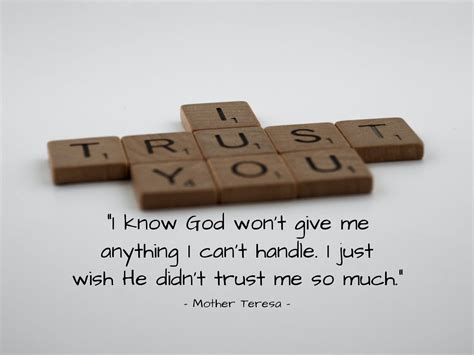
When I think about people behaving in ways that I fundamentally disagree with and find inherently destructive, it helps me to remember the cycles of the Earth: birth, life, death, and rebirth. Destructive energy leads to death and decay, and following that is an opportunity for rebirth. Death and decay is uncomfortable to be with, but it’s s purposeful part of our life cycle. Deaths of collective dreams and ways of being can feel very big at times, yet reach unexpected tipping points. I find solace in the quotes below, and maybe you will resonate with them also.
Let’s express our deepest passions and rage wisely to keep that energy flowing! Let’s allow toxic divisiveness and existential supremacy to die and decay, making more space for interconnectivity and beautiful rebirths to emerge.
giveheartIf you value this content, please engage in reciprocity by living, sharing and giving.

Parenting with Indigenous Science

Blog by Valerie
 
There’s so much parenting advice, and so little I resonate with, so I thought I’d share my perspective.
 
Parenting is about building relationships through developmentally appropriate leadership (which is related to a previous post on governance and the YouTube video below on sacred leadership/eldership by Tjana Goreng Goreng, PhD). Kids, whether our own, family, or community, challenge us to confront triggers, fears and insecurities, as well as allow us to more clearly see our strengths, values and capacity to connect. 


When babies cry out we give them instant attention and soothing, but that is not always a good idea with older kids, much less adults! Often we set patterns into motion because of our own limitations (read about some of mine here). I knew a mother who considered her adult daughter mentally and emotionally fragile (which I didn’t). She martyred herself to avoid her daughter feeling pain and experiencing certain struggles. But some of that seemed to me (and the daughter’s therapist) necessary growing pain for the daughter’s development. And I felt the mother was projecting her own mental and emotional fragility onto her daughter because she felt unable to hold space in certain ways. They both seemed a bit stifled. 
 
I say that with deep compassion, because we all have limits and struggles. Part of the fulfilment of any spiritual work, and certainly parenting, is bringing our deepest challenges to the surface so we can make peace with ourselves (and our ancestors, younger and older!) to become even better leaders — i.e. more powerful, grounded, centred and humble human beings.
 
When I look at my child, I see some struggles she’s come here with, some that feel linked to her father and that ancestry, some linked to me and mine, and some connected to her context and the land and ancestors where we live. (Ie ancestors of spirit, lineage, and land). When I am able to shift something that she’s also carrying, I expect her to have a big emotional response because we are connected with very open hearts. My shifting innately moves her heart and affects our shared ancestors, and she has to process it too. All of that emotion is likely to also affect my husband, because we’re all very sensitive. So when I feel something shift, I both feel excited and tend to brace myself to be able weather some emotional storms that my leadership has set into motion. 
 
I’m very aware that being committed to deep spiritual work asks a lot of myself and people who choose to be intimate with me. I don’t feel like I have a choice, though, in the way a singer can’t (or ought not!) stop themselves from busting into song throughout the day. To stifle it is to self destruct and snuff out my life force. Parenting feels the same in that it’s not a choice, it’s an honour and responsibility that defines the structure of my life.
 
I remember a book that made news years ago about parenting being all joy and no fun. To me, that says the parent is overwhelmed and may not know any other way to lead and set up their life. I’ve seen quite a bit of a so-called ‘gentle parenting’ approach, which feels like a reaction to authoritarian parenting and actually seems to me to stress out the children by giving them too much leadership space and not enough containing and consequences to uphold values and norms.
 
I appreciate some elements of the ‘sturdy parenting‘ approach and agree that there’s a big difference between punishment and consequences (Image from here).
 
And I add to that an Indigenous worldview in which there’s a huge difference between deeming behaviours as unacceptable and judging a person as unacceptable.
 
It seems to me in an effort to limit the destructive impact of the existential judgment and punishment wound in the western worldview, there arose a popular idea that yelling at kids destroys their self esteem. I do not agree. I think expressing anger and showing that it’s an intense emotion that we all experience is part of healthy leadership. And after I express anger, I offer a cuddle. I tell my child that I love her no matter what I’m feeling, and that there’s nothing wrong with her. (And if I was angry with someone else, I make sure to tell her it wasn’t about her and still offer a cuddle if she wants.) She now says to us, ‘Sometimes we get angry’ with the same tone as ‘Sometimes we get sad’ or ‘Sometimes we get wrinkles’ (referring to what happens in the bath). It shows me she feels that it’s okay to experience intense emotions within herself and with others in her environment (Image from here).
 
Recently I sat down and cried before bed and told her that I felt sad because she had been very hard on me that day. It was the highest defiance and worst day of listening yet. I could tell she felt bad. She came over and hugged me and said, “It’s okay, I love you no matter what, Mommy.”  That helped fulfil me both as a parent and helped my inner child feel safer than I had with my mother.
 
Parenting, like other forms of leadership in Indigenous science, is an exercise in unconditional love and existential acceptance, while embodying core values and cultural norms and creating consequences for breaching them. I hope it resonates with you, and thanks for reading!
 
giveheartIf you value this content, please engage in reciprocity by living, sharing and giving.

Darkness

Blog by Valerie

“Darkness is the purest form of light” is a teaching I deeply honour from Tiwa Elder Joseph Rael – Beautiful Painted Arrow. He says this because out of darkness all colours and possibilities emerge, whereas white light reflects and pushes all colours away. Darkness is a metaphor of the sacred womb where we all begin our lives in our mother’s bodies. And darkness envelops us each night (if we allow it). Within the womb of darkness is the potentiality for anything to be (re)born.

I heard an interview with Gina Chick recently in which she said that she spends most of her time in uncomfortable spaces. That is also my experience of living in a way where I honour darkness, and it aligns with the explanation of the Red Road discussed in a previous post, where we focus the majority of our energy on honouring ancestors, living our core values, and grounding respectfully where we are. (Image: metaphor of a plant that spends most of its energy building strong roots and connecting with other plants underground, and less energy flowering or fruiting above the ground)

I’ve found that when we are committed to a holistic spiritual path of allowing all feelings and thoughts to flow without existential judgment, when others we are in relationship with do not do this too, seeds of destructive energy grow bigger between us, along with pain, judgment, insecurity, and crazy-making cognitive dissonances. If both are willing to confront the resulting mess, come together to listen to each other and take responsibility for choices, behaviours, and resulting impacts (whether intended or not), then the relationship and trust between them can repair and deepen. Unconditional love means no existential judgment.

If one or both do not do this, then the relationship transforms into one with less trust, safety and intimacy, and it can even fracture beyond repair. And broken trust, as most of us have experienced, tends to be harder to rebuild than it is to grow trust and intimacy in the first place.

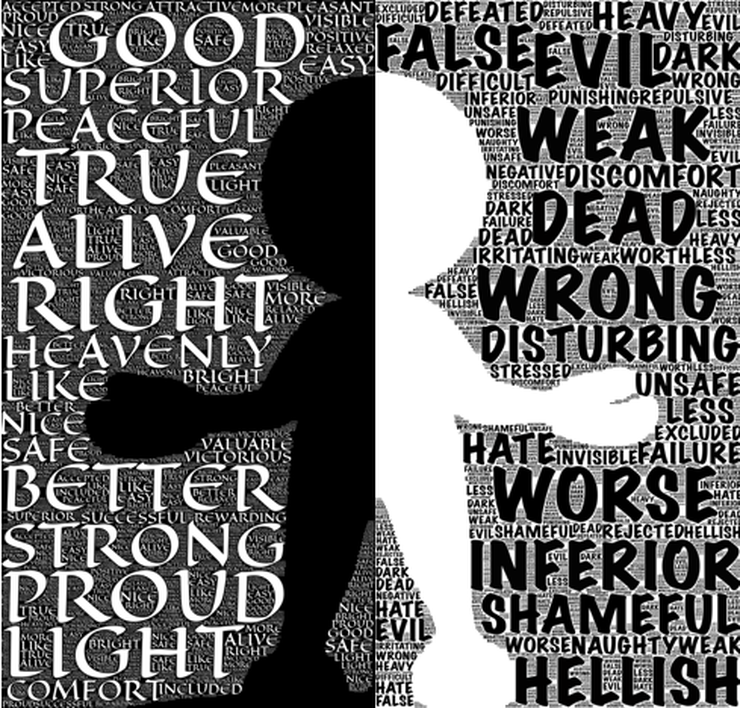
In a recent blog I shared that I have witnessed numerous people work for years towards something, then turn their backs at a pivotal moment in abandonment and destruction. Some stories and beliefs seem so deep they trick us into crazy-making cognitive dissonances that become hard to contain. Cognitive dissonance is when we feel split by words and stories not aligning with behaviours and actions. For example, if we believe we are a good friend and that means we don’t feel jealous of friends’ successes, yet we do feel jealous when a friend gets a new job and we feel stuck in job rut, then we might push those feelings aside and pretend they’re not there. (Image: let’s feel it all so the negative feelings ground and we grow from them rather than growing into piles of sh*t in our lives!)

This becomes even more crazy-making when we layer denial on top. If the friend who got the new job is like me, she can feel this jealousy rising and wants to avoid it destroying the relationship. Maybe she practices giving compassion and grace while hoping that her friend processes the hard feelings, and hopefully she processes some of her own hard feelings such as disappointment that her friend couldn’t celebrate her new opportunity with her. If time passes and the hard feelings persist, she might ask her friend to talk so as to clear the air between them. If the jealous friend is too scared, ashamed, unaware or in denial about her hard feelings to be able to take responsibility and process them and instead tells the friend with the new job that she’s crazy, she is happy for her and doesn’t have any jealousy, that becomes crazy-making for both of them.

Crazy-making takes a lot of energy to carry. It spirals us out of our hearts and bodies, creating separation from our truth. We lose integrity and the ability to experience wholeness when we are trying to be two people at once. In the previous example, the jealous friend trying to be ‘a good friend’ isn’t allowing herself to be authentic and a messy human who can both feel happy for her friend and a bit jealous as well. That’s actually making her less of a good friend and growing the seed of jealousy even bigger, creating more destruction in the relationship. To me, the best thing that could happen is that the jealous friend lets go of her judgmental story about identifying and behaving as a ‘good friend’ so as to create an opening for the two of them to have a real and sustainable friendship capable of withstanding pain and hard emotions. (Image)

Exercise: What stories do you tell yourself that limit your openness to darkness? You may wish to close your eyes and meditate on the question: ‘What do I believe about the nature of darkness?

giveheart If you value this content, please engage in reciprocity by living, sharing and giving.

Spiritual Secret Sauce

Blog by Valerie

Over the years I have observed a number of spiritual seekers looking for a ‘secret sauce’ solution to their lives – some kind of trick or program that, if they followed it, would lessen their pain and make their lives look more like what they have in mind. I have numerous times had the experience of being ‘tried on’, sometimes for a few months, sometimes even for years. But when one is looking for a secret sauce, spiritual practices from any tradition will inevitably disappoint. Yes, some ceremonies or practices may resonate so deeply, even profoundly altering our life direction with deep healing in a moment or over a short period of time. But if we continue to seek ‘pow’ experiences, we will end up chasing the dragon on a hopeless, addictive journey. 

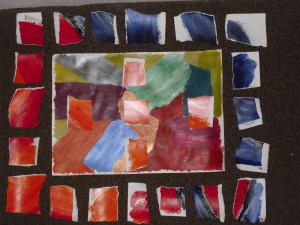
An important spiritual ‘pow’ I experienced when I was trying to move through suppressed childhood trauma that had come up in my late 20s. I did four ayahuasca ceremonies in the Amazon, followed by a 10-day silent Vipassana retreat in Chile (without warm enough clothing!); I felt for weeks afterwards as if my brain had been shaken like a snow globe. I had done that on purpose to move the trauma through my life over years instead of decades. I remember sitting in a hotel room in Peru and painting pictures, then ripping them up and reassembling the pieces to reflect myself. Life was very intense for more than seven years as a result of the pace at which I chose to ride that wave of energy, and miraculously Lukas rode through it with me, often saying he felt like he was barely holding on. I am glad to have moved through much of that trauma. My most recent spiritual ‘pow’ experience was the birth of my daughter. She turns three this year, and I feel like my nervous system is calming down from what the birth brought up. 

Last year someone who tried me on started working through my book, and after three weeks said to me they were done doing spiritual work because they weren’t seeing enough changes in their life. I was pretty stunned that this person was expecting such a short ‘pow’ turnaround in their life with so little effort. When I was very unwell in my 20s and finally found a naturopath who diagnosed the pathogenic bacteria in my gut, I remember her saying that with three years of drastic diet limitations and careful, targeted supplements I could expect to feel better. That sounded good to me as I considered how many years had led to my system becoming so sick. And it turned out to be true. (Image from an art installation in Sydney in 2020; sorry I don’t remember the artist!) 

These days I like to think about how long it takes a plant to establish its roots underground, all the nourishment required to even make it to the surface, and then the years of growth and renewal and moving through disease. I told that person that some seeds I had planted in my life over a decade ago were only starting to bear fruit for me now, and that I had been doing some of the same daily spiritual practices such as altar work and seasonal ceremonies for longer than that. Unfortunately, that person has become very dis-spirited, and I hope they find a way out of the dark hole they’re in. (Another photo I took at Angkor Wat years ago of an amazingly resilient tree)

It seems to me that a real spiritual ‘secret sauce’ is made up of persistence, patience, a daily practice, trust and faith in something(s) bigger than ourselves who care to help, commitment to core values that are worth living and dying for, grit and determination to stay the course, and a sense of humour.

giveheart If you value this content, please engage in reciprocity by living, sharing and giving.

Clean & Dirty Pain

Blog by Valerie

I recently came across the concepts of clean and dirty pain. This is a well written deep dive if you want to read it before I share my perspective. I’ll describe it as follows:

    • Clean pain is when we accept and move through what life gives us in fullness of emotions and experience; and
    • Dirty pain it when we resist, deny, and layer shame, blame and guilt on top of the pain life has brought us so that we multiply our suffering and so as to punish or even torture ourselves. (Image from here)

It’s been my mission for some years now to honour all energies, feel all feelings, and witness all thoughts with acceptance, love and compassion. It’s been especially important this week as we’ve been a target of some online abuse, as well as rejection from a few people we care about who have become bogged down in shame. I am used to being a presence that some people find it hard to be with, but that doesn’t make it easy! I have purposely been to many dark spaces, and I have honed some fierceness through some soul-wrenching boundary-setting, and I understand that not everyone wants that mirror. Yet more and more of us seem called to move through intense pain, and it seems at times that our only choice is how clean or dirty will the path we take be.

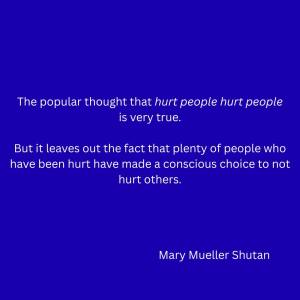
I think about how those who are brave enough to share something soul-led, something real, in a world that is so often about superficial image and illusion, in a world that is so quick to judge, to dismiss, to be outraged and unkind, are those who will save this world…To be able [] to be ourselves, to share of ourselves, to have access to the dark parts of Self to bring forth what we will from our personal Underworld is perhaps the point of the human quest, or at least one of the main bullet points.–Mary Shutan on Facebook

I’ve written a few times about trauma being neurobiologically encoded in our brains at the intersection of disgust/aversion and terror. That Western science knowledge has really helped me to judge when I need to move through something painful and when I’m potentially re-traumatising myself. After many years, I now feel like my instincts and flow are trustworthy. It makes the pain a lot easier to be with when I trust that it’s valuable, and I trust when I feel moved to shy away or go into it directly.

Accepting clean pain might sting for a day or two, but it doesn’t linger or fester.

So, to the people who have been sharing disrespect and rage with us recently, we feel your pain and pray that by grounding your projections and reflecting compassion back as best we can, that you are able to feel something more than overwhelm.

And we want everyone to know that however overwhelmed you feel in a moment, you’re not carrying it alone. With thanks to Shannon of Providencia Waco for sending us this song by Alexandra Blakely, we invite you to close your eyes and receive this musical medicine:

giveheart If you value this content, please engage in reciprocity by living, sharing and giving.

Witnessing

Blog by Valerie

Witnessing is an important method of learning and healing. In a MOOC (massive open online course) I recently completed on indigenous early child development, witnessing was taught as one of the main ways indigenous children learn, to remind western educators to value it and not expect that learning needs to be in a lesson format. It seems to me, witnessing is how we all learn. We have to teach children how to behave in ‘lessons’ and other learning environments. But from when we’re tiny babies and can’t physically do much, we learn by witnessing the world without and our feelings within. (Image from here)

I’ve been doing a lot of witnessing lately with both political and social situations around me. ​Sometimes I feel grumpy and want to say, ‘Hey, don’t treat me that way!’, but I realise it isn’t about how someone is treating me, and I don’t need a boundary. They’re in pain and asking me for compassion, patience and grace. Other times I want to say, ‘Hey you don’t have to live in your hurt and believe that’s the way life is!’, but that rarely feels constructive with stuck and pained mindsets, and I don’t want to be unkind or lecture.

So I ask myself, what is my responsibility? 

I​n terms of larger social issues, I understand ​the appeal of ‘news fasts​’, because a lot of what’s reported on is hard to digest and happening physically far away​. But I feel it is my responsibility to maintain some awareness of struggles where I have a connection, and devote some of my time to witnessing reports from people there, feeling my feelings, and sending some prayers.

Witnessing can be incredibly healing​ because the other doesn’t feel invisible or judged. It can also be really hard work. I see it as an art, and part of the power of practices like s​acred circles, talk therapy, or confiding in someone. And it extends to our non human kin as well, as anyone who’s ignored their pet can attest. ​(Lukas and I had a cat called Marigold years ago who did what we referred to as ​’statement shits​’ outside her litter box to get her message across when she was unhappy with us​!)

Sometimes witnessing doesn’t feel like ​doing enough. I for one can’t take a photo or write a story ​about someone having a hard time and feel like I’ve done my job​ (but then I’m not a journalist​!). I tend to need to dialogue with someone or send prayers. Others might feel the need to donate money or time. One thing I’m wary about​, though, is rescuing. Sometimes we are in crisis and need to be saved from a bad situation. And yet, often the harder thing to do is to witness a struggle, wait ​to see if there is right timing ​for us to intervene, and accept that an intervention might just be a few gentle words or a reminder ​about a boundary. To overstep places us in drama we needn’t take on, and to avoid cuts us off from parts of ourselves and each other. 

That’s why witnessing is an art. ​And to all of you practicing it, I honour your work. Thank you very much for all of your unseen, valuable heart labour. (Image from here)

Exercise: Reflect on how you value witnessing. What do you tend to do when you witness something hard? What do you tend to avoid witnessing? What do you ask others to witness?

giveheart If you value this content, please engage in reciprocity by living, sharing and giving.

Material Wealth

La antigua Biblos: El bibliomotocarro de Antonio La CavaBlog by Valerie

When I was growing up, I watched my father hoard food, books, even household cleaning items. I remember the pain I felt when he told me the story of realising as a young teenager that he’d read every book in the library van that visited his small town every month. He went to university, the first in his family, so there was no shortage of books to read from the age of 19, but he couldn’t shake those early experiences, he worried he’d have to do without if he didn’t have things on hand. Coming from a home where I had access to multiple libraries, and many used and new book shops that we frequented regularly, I was happy to give away and trade books with trust that if I needed one again I’d find it. I didn’t need to be weighed down by a home library. But I also remember the pain I felt when I went with my dad to our favourite used book store with some boxes of books from cleaning out my room at my parents’ house. He didn’t understand why I wanted to let them go, and kept asking if I was sure. But he didn’t try to stop me. (Image from here)

Growing up, I watched my mother hoard money (and related to that, jewellery); and though it may sound strange, she also hoarded social privilege. But it felt more intense than my father trying to rebalance some pain from childhood. Hers felt existential, as if she hoarded and guarded these things like her life depended on it. The first time I earned money through babysitting, I came home with a twenty dollar bill feeling proud of myself. I had gotten the little girl to sleep despite one of her dogs nonstop fearful bellowing about a thunderstorm. My mother asked how much I made, and when I showed her, she took it, and said that she needed a cut. I couldn’t tell if she was joking. It didn’t feel like it. Then she wouldn’t give it back to me, and taunted me, hiding the bill and waving it out of my reach. That felt scary and deflating, one of many power and control games she played with me. It was as if she needed money more than she needed to be connected with me and would abuse her power and trusted role in my life to get it.

Wealth PNG Transparent Images | PNG AllWhen my father died many years later, that was my experience with her as we entered into estrangement. My mother chose money, lies and trickery over me. I have come to see that as rooted in her Jewish wounding, where through being disconnected from country for milennia, she learned to existentially cling to money, jewellery, and social status to survive. I understand that’s her survival strategy, integrated with identity and culture. I can’t be intimate with those wounds though, it feels too destructive and desolate to me, like I’m spinning in a hopeless vortex of nihilism and materialism, disconnected from the planet and my body. (Image from here)

I don’t yet feel respectful of what I experience as collectively acting out a traumatic and highly destructive wound. I focus most of my energy on deepening compassion and processing grief. I have been feeling this a lot lately with actions in the Middle East. I feel like Palestinian, Lebanese, and Iranian peoples are my spiritual kin. The hatred some of us feel towards ourselves and each other is so intense, it makes my heart feel heavy with grief. The material greed and holding in supremacy certain people and lands while dehumanising and exploiting other peoples and lands pains me deeply. I have been to Jerusalem, which many consider to be the most holy city in the world. I felt its deep and rich history. It also felt very layered in pain and messiness. There was tension, some bombing, and UN vehicles patrolling when I was there. It felt like a powder keg with everyone on edge, and that was fifteen years ago.

Everything is connectedI choose a worldview in which all lives lost, of any culture, of any animal or plant, are existentially equal, though I obviously experience some of those losses with much more intensity than others because of my own identity and connections. As this worldview and my values have solidified over time, I have found myself recently with more material ease than ever before in my adult life. I had gotten used to embodying ordeal, living without enough material wealth, devaluing its importance to rebalance growing up with my mother putting material wealth über Alles, humbly acknowledging that I needed to find ways to be more financially stable and secure, trying things and burning out, growing savings and going through them.

I’m grateful for some material ease and abundance now, and I’m grateful for experiences of lack so these experiences have more meaning to me. I don’t think I’ve now got it all figured out. I do know that weeding by going into trauma and negativity have been more valuable to me than trying to plant positive affirmations. I’ve found healthy beliefs emerge when I clear the way. And, at the moment, some material wealth has emerged. I’m allowing myself to feel more ease when we buy groceries, practicing saving without hoarding, and humbly sharing as we go. I have started to feel lately like for the first time in this life I am living the life I want to and am meant for.

Matthew 11:28 Scripture - Rest from Burden | ChristianQuotes.infoHere’s hoping your relationship with material wealth feels balanced and centred too. Blessings at a season of reflecting on thankfulness. I’m thankful you care enough to read this blog. And if you are able, I humbly ask you to consider leaving a review of my book Healing through Indigenous Wisdom on Amazon, giving a copy to a friend, or otherwise passing on the word. Sacred reciprocity makes the world go round (fodder for a future blog).

giveheart If you value this content, please engage in reciprocity by living, sharing and giving.

With Dignity and Respect for All

Blog by Valerie

Earlier in my ancestral healing journey when I set boundaries, I would tell ancestors who couldn’t support me and my core values to go. I had heard a few people advise to only work with healed ancestors, though I’m still not quite sure what that means. All our human ancestors are somewhat healed and somewhat wounded. Sure, some are wiser and more healed than others, just like people living now. And even ancestors we may refer to as ‘enlightened masters’ have blind spots and things to learn. No one’s infallible.

It felt important for a while to build my strength and skills to take space and even reject some behaviours and values, to avoid certain conflicts. But I find that what we reject tends to comes back to us seeking deeper acceptance. And since I don’t believe in existential judgement, I needed to learn to coexist with all my ancestors. If there’s a crocodile in our environment, we need to learn to live with it, how to protect ourselves and avoid it as best we can. Because that’s where we are living now, and that being has just as much value here as we do, whatever feelings we have about them. (Image from here)

Aboriginal people, through thousands of years of living with crocodiles never have considered that they are dangerous animals. We have always lived with them. They lived their own life and we lived our own ways, as long as there is common respect for each other.

–Gularrwuy Yunupil’u in Living with crocodiles (ABC documentary)

How do we respectfully, even vigorously disagree when we feel that others are acting in ways that are disrespectful and undignified? From arrogant ‘I know better’s to moral judgements, to shameful denials to self serving greed or even something as deplorable as genocide, so many of our behaviours are rooted in existential judgement. Such judgements take us out of the web of life and create existential hierarchies. Wetiko creeps in, and we start to believe stories of supremacy. If we want to embody connection, then we have to make space for really tough stuff like experiences of existential judgment from others and the painful impact of destructive behaviour.

I have written before about estrangement from my family of origin. I still have dreams about many of them and experience connection. Sometimes I feel like we have worked through things in dream states, and other times I feel like the same dynamics that I walked away from are still present. 

For a few years I took space from some members of Lukas’s family due to unacknowledged behaviours that had destructive impacts on both me as an individual and us as a couple. We started slowly reconnecting after our little one was born because Lukas wanted her to get to know them, and I respected that. I don’t feel that different than I did before, but I feel like we are better equipped to maintain boundaries and protect ourselves than we used to be. 

Interestingly more of Lukas’s ancestors who have rejected me have been coming to me in dream states and telling me how they feel and why they’ve been so hard on us, that I’m not Christian and pull him away from Christianity, I’m not focused solely on his career and have one of my own, I took too long to have a child and am only having one, I ask too much of him around the house–all sorts of criticisms. In another culture (like my Jewish-Sumerian lineage), someone would have yelled at me about all that, but the Anglo Celtic culture struggles to speak directly, and often struggles to speak their truth. I now have more stories for what I’ve been feeling and behaviours that still play out, whether it impacts me directly or helps me witness patterns and struggles in the family with more clarity and compassion. I don’t yet feel like I’ve been welcomed into the family or have social belonging. I feel overall like I’ve been begrudgingly accepted, especially since I’ve had ‘their’ child, so that I’ll always be in the family tree now and there’s no point trying to break our marriage now.

For a while I resisted working with Lukas’s ancestors. I felt like that was his responsibility, and I was pretty full working with my own. As work with mine calmed down and we decided to get pregnant, I figured if some of Lukas’s ancestors would rather work with me that I had capacity. I want to support healing and prevent my child from inheriting intergenerational trauma as best I can. It’s been interesting if pretty unpleasant for the most part. But making space for such experiences feels important in the inner and outer world right now. Grace and compassion are so valuable. There’s a lot of conflict in the world. I think it will be a lot easier to work through it when we collectively accept as a baseline that all of us on the planet, human and nonhuman, are inherently worthy of dignity and respect.

Existential judgment may be the most destructive behaviour we humans engage in. And when we do, we add to our sense of shame. I have been noticing lately how efforts to avoid feeling such shame seem to be linked to an increase ghosting behaviours. So much to make space for and pray for healing about. We can be very spiritually enriched at the moment if we can avoid overwhelm! (Image from here)

giveheart If you value this content, please engage in reciprocity by living, sharing and giving.