Vlog by Lukas
 If you value this content, please engage in reciprocity by living, sharing and giving.
Vlog by Lukas
If you value this content, please engage in reciprocity by living, sharing and giving.
If you value this content, please engage in reciprocity by living, sharing and giving.
Blog by Valerie
Lately some protracted conflicts have come to the surface in my life at a macro level in the world, and at a micro level in my daily life. I have been praying quite a lot since the war in Ukraine broke out, where my Jewish-Sumerian ancestors spent many generations living, and more recently about the war in the Middle East. It seems to me like there is existential war and rejection going on based in judgment, where one or more parties to a conflict feel they are fighting to exist in the minds and hearts of the other.
I find existential judgement incredibly dangerous and damaging and see it as the root of genocide. It feels to me like a hand rejecting its own finger. If we believe in a Creator with wisdom our human minds cannot comprehend, how can we put ourselves in the position of judging what the Creator brought into being? And to say another is allowed to exist elsewhere (NIMBY) is still judgmental, for if we force another to leave their home and live on different lands, we change their and our identities by disconnecting people from their earthly homes and playing the roles of victims and offenders.
On a micro level I’m seeing this thinking play out in some righteous social justice warrior crusades around me. I find the concept of ‘rights’ to be violent, though it has obvious practical value to create baseline standards for society. If we didn’t existentially judge certain struggles and behaviours as deeming people unworthy of housing or health care or food, then rights would simply represent social baselines we collectively agreed upon as minimum standards of care for all of us humans living here. But if a single mother can’t afford housing, or a man with mental illness isn’t at retirement age but can’t hold down a job, we don’t collectively agree how (or sometimes even if) to support their survival. Rights then get used in a forceful way to push a majority social group’s minimum standard of support onto the collective, and thus they often need to be en-forced. And when we are judged and caught up in the rights battles we feel, rightly so, like we are fighting for our survival. (See survival strategies blog)
I agree with Jungian scientist Fred Gustafson that the Western mind is “having a massive collective nervous breakdown” and is going to “war to determine whose anthropocentric [world]view is most valid [while] the earth and all its inhabitants [] suffer.”[1] I have not found sufficient solace for survival in the Western world alone.
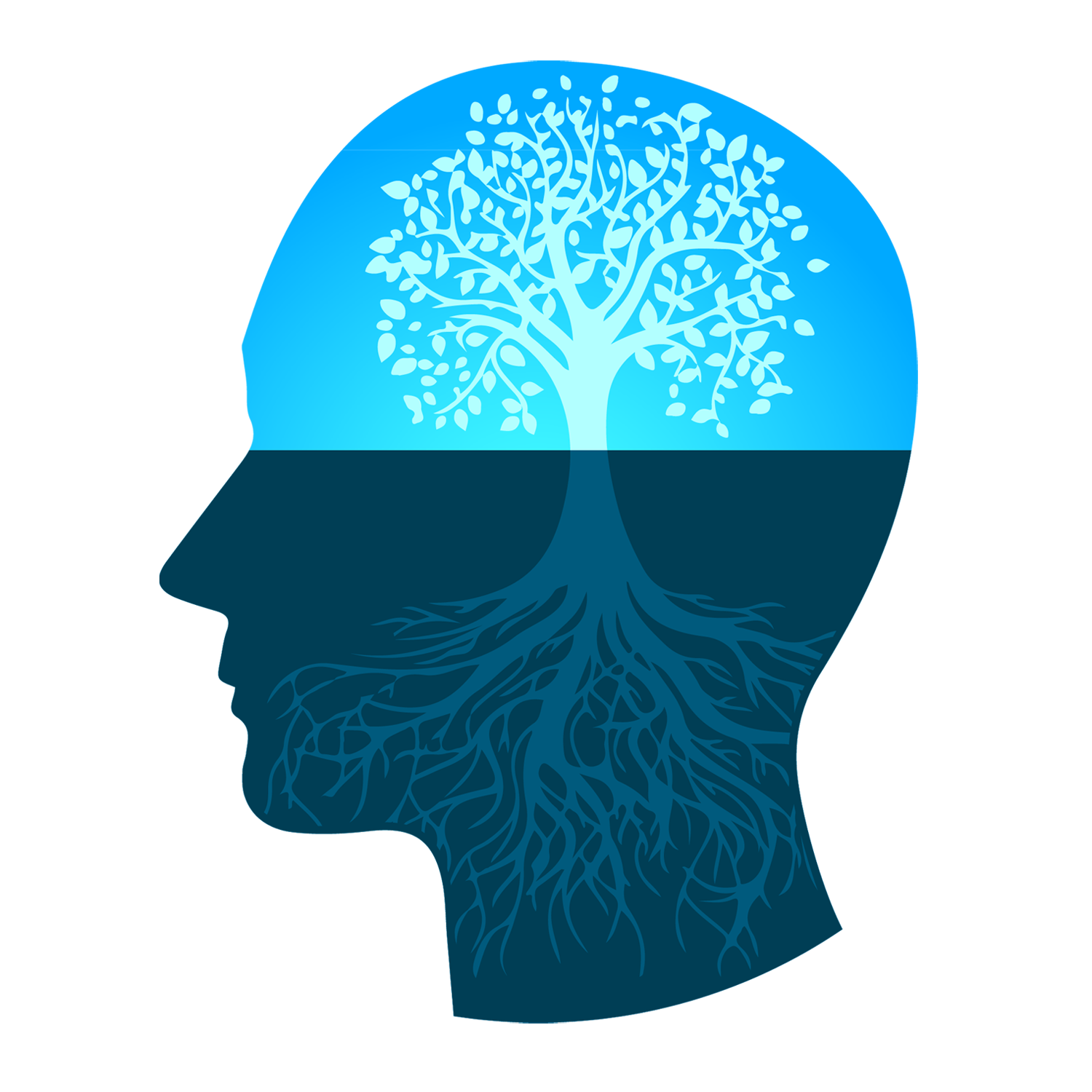 For me it has been vital to live in two worlds: (1) a social reality that is based on a Western worldview, and (2) an earth-based reality based on an Indigenous worldview. When I’m caught up in a survival struggle in the Western world that’s terrifyingly real, and I’m feeling rejected and judged and shamed and angry, I can spiritually connect with the knowing from the Land and my ancestors that I’m not only allowed to exist but that I am wanted. This powerful medicine is all I have found that alleviates my existential wounds. Without it I feel like I would not still be here on this Earth, as my roots would have rotted and not been able to hold up the rest of my inner tree of life. (Image from here)
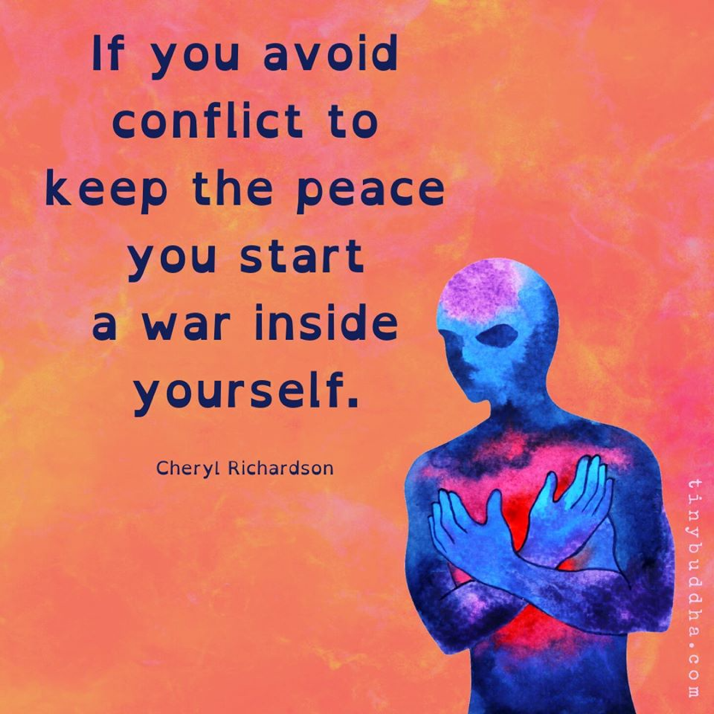
If you’re also feeling some pain and heaviness about existential judgement and its impact, here are a few things that help me keep my spirits strong:
 Altering my consciousness is another survival tool I use daily, primarily through embodied meditations and drum journeys. I do it to heal trauma, connect with ancestors and other spiritual guidance, and seek tools for every day survival such as deeper spaces of compassion or peace. However you are able to sink deeper than your everyday ‘known’ and familiar thought loops can bring you some healing. I do find, however, that embodied practices (such as using sound or dance or breath techniques) are more powerful than mind-based practices (such as meditating through your third eye or simply watching your thoughts).
Thank you for reading this, and may your life be enriched (and even saved) by living in both worlds, as mine is.
[1] Gustafson, F. (1997). Dancing between two worlds: Jung and the Native American soul. Mahwah, NJ: Paulist Press.
If you value this content, please engage in reciprocity by living, sharing and giving.
This blog builds on part 1 from a few weeks ago, which started by reminding you that in animism, it’s not only not expected, but against our own nature to play nice with certain beings and energies. Earlier today I heard the following story:
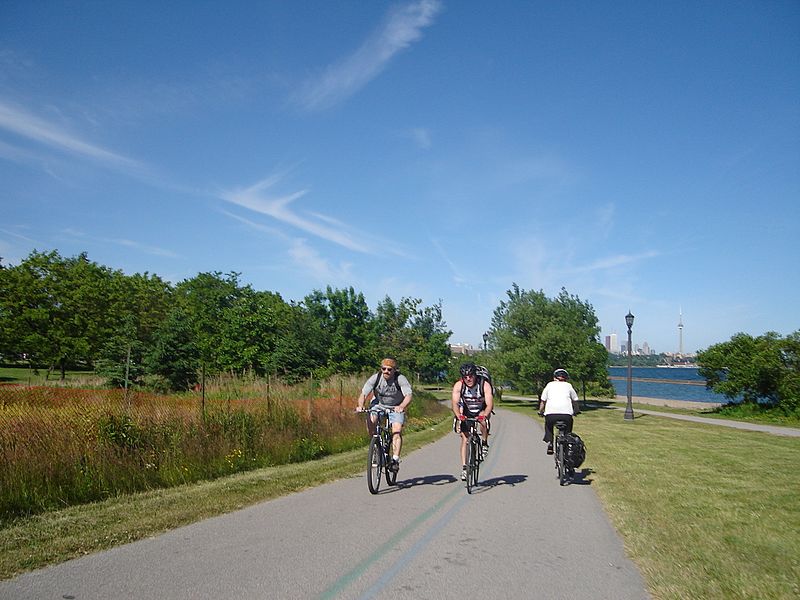 Three cyclists were riding down a neighbourhood road when an older guy in sports car drove by and yelled, “Get off the road, assholes!”. Of course, cyclists are legally allowed to be on the road. The female in the group gave him the middle finger, angering the driver more and he turned his car towards her, then veered onto another street and into a carpark of a private club. She almost fell off her bike, scared and filled with rage. She blasted through the private club gate past the security guard while her fellow cyclists followed and called the police. You might be thinking that she was trying to get the driver’s plates, but she already got a photo of that. When he stepped out of his car she screamed in his face how wrong his actions were and how terrified she felt. He pushed her out of his way, and she raged even more and threatened to press charges for touching her. By this time her companions had gotten through the security gate. The security guard initially threatened to call the police and report the cyclists for trespass, but changed his mind when he saw the scene. Police arrived and explained to the driver that cyclists are allowed on the roads as much as he is, and told the cyclists they can’t charge the driver with anything but simple battery for pushing her because he veered his car away and didn’t hurt anyone. No one was happy with this outcome.
What a mess. Something to keep in mind with animism, and indigenous understandings of justice in general, is that they don’t necessarily align with Judeo-Christian morality. This may be the heart of why so often people feel things that happen are unfair or that ‘nice guys finish last’, because we are mentally programmed to expect rewards when we are ‘good’, whatever that means (often obedience to social norms it seems).
Five basic approaches to conflict resolution are: collaborating, compromising, accomodating, avoiding, and competing. In the story above, the woman and the driver are both competing. I  think about a lion competing to be king of the hill – they’re getting their fight on.
  The security guard started out competing but then accommodated the cyclists, represented by a chameleon changing its colours to fit the situation. The other two cyclists are collaborating with their friend, like a school of fish sticking together, and the police officer is
  compromising by offering to charge the driver with something since the cyclists want him to be punished. Compromise is represented well by a zebra with its dual-coloured stripes.
What we don’t have in this scenario is anyone avoiding conflict, which I think would have been the wisest option. There were many missed opportunities for the cyclists to avoid escalating the conflict and potentially endangering themselves further. Let’s represent avoiding with a turtle who can stick its head in its shell. 
If the cyclists had been growled at by an actual lion, they likely would not have tried to compete but would have done their best to avoid escalating the conflict. And if one of the cyclists had decided to angrily provoke the lion further, the other cyclists would have been less likely to collaborate and more likely if she got hurt to tell her that she had asked for it. Other than a sense of moral outrage and upholding of social norms, why do we behave so differently with people who exhibit threatening lion energy than with actual lions? One reason is when something is really important to us, we feel called to be warriors and stand up and fight. Some things – like protecting our family – feel worth dying for, and it can be too hard to live with the guilt and shame of knowing we didn’t try to stand up for our values. Another reason is that we are reacting in autopilot and have a tendency to compete when we feel threatened. If the reason is the latter, we can work on creating self-awareness and space to make more intentional decisions about addressing conflicts.
When we do choose to avoid a conflict, it helps to be aware of the Cycle of Indecision: ‘I feel bad. I should do something. Nothing will change. I gotta let it go. But I feel bad…’ I find when I avoid a conflict but over time it keeps coming up inside me, then I do need to do something to address it. That may involve talking to someone, creating art to express my emotions and tell my story, doing something ceremonial to keep the energy flowing without endangering myself, or finding a passion to advocate out in the world. For example, if I have a conflict with someone close to me, I tend to try to collaborate and talk it through when we are both less emotionally charged. But when I have a conflict with someone I don’t trust to collaborate with, I often write them a letter, leave it on my altar, and burn it so that the energy gets sent out in spirit.
Notice that no one in the story above was happy with what the police officer offered as a compromise to try to appease everyone and follow the law he’s working with. This is because of a common conflict resolution issue – people conflating positions with interests. The cyclists’ interests are (likely) being safe and respected while on the road, but their position is they want the driver to be punished for yelling at them and veering his car at the woman, but they may also have an interest in revenge.  The driver’s interest is (likely) not being criminally charged and being able to express anger that cyclists are not riding single file (which they don’t have to). Maybe he has an interest in trying to change that law or have cycling lanes built on the road so he doesn’t have to share, or maybe he’s just interested in expressing anger, but his position seems to be ‘get out of my way’. We’d need to talk to everyone to unpack their underlying interests and potentially resolve the conflict in a more mutually beneficial way, but that’s not the job of the police officer. That’s something we could do through an Earth Ethos peace circle if everyone was open to collaborating and had been prepared to come together with open hearts and minds. In peace circle processes we use deep listening, open questions, I-statements, reframing emotionally charged language, and other tools to make it easier for people in competitive positions to feel safe to open up and connect with others. Because lions tend to be lonely, dangerous creatures – with only one male on top of the pride, he’s always scared of being bested by another and losing everything. Sometimes conflicts in our lives are like that, are all or nothing, but usually they needn’t be. We just can’t see another way. (Image from here.)
Exercise: Reflect on how you tend to approach conflicts. Maybe you tend towards different approaches at home or at work or with your kids or partner. Think about a recent conflict you were in with someone. How did you want to approach that conflict? What was your position in the conflict, and your underlying interest(s)? What about the person you were in conflict with?
If you value this content, please engage in reciprocity by living, sharing and giving.
Blog by Valerie
“You can never conquer fear, it’s always going to be there…Walking in beauty involves encountering fears, physically, emotionally, mentally and spiritually, and getting beyond them, so we can have joy, happiness, confidence and peace in the four areas of our being.” — Wally Brown, Diné (Navajo) historian/lawman
Fear is a challenging energy for us humans to be with, and we often use its influence on us to justify actions we otherwise would not allow. It may be tempting to remain in denial and avoid deepening our understanding of our primal nature, but that limits our ability to enjoy fulfilling lives and realise our deepest dreams. In my blog about addressing addiction, I shared some tools I use for facing fears and increasing my sense of safety. It’s one of life’s beautiful paradoxes that we can learn to be safe with our fears.
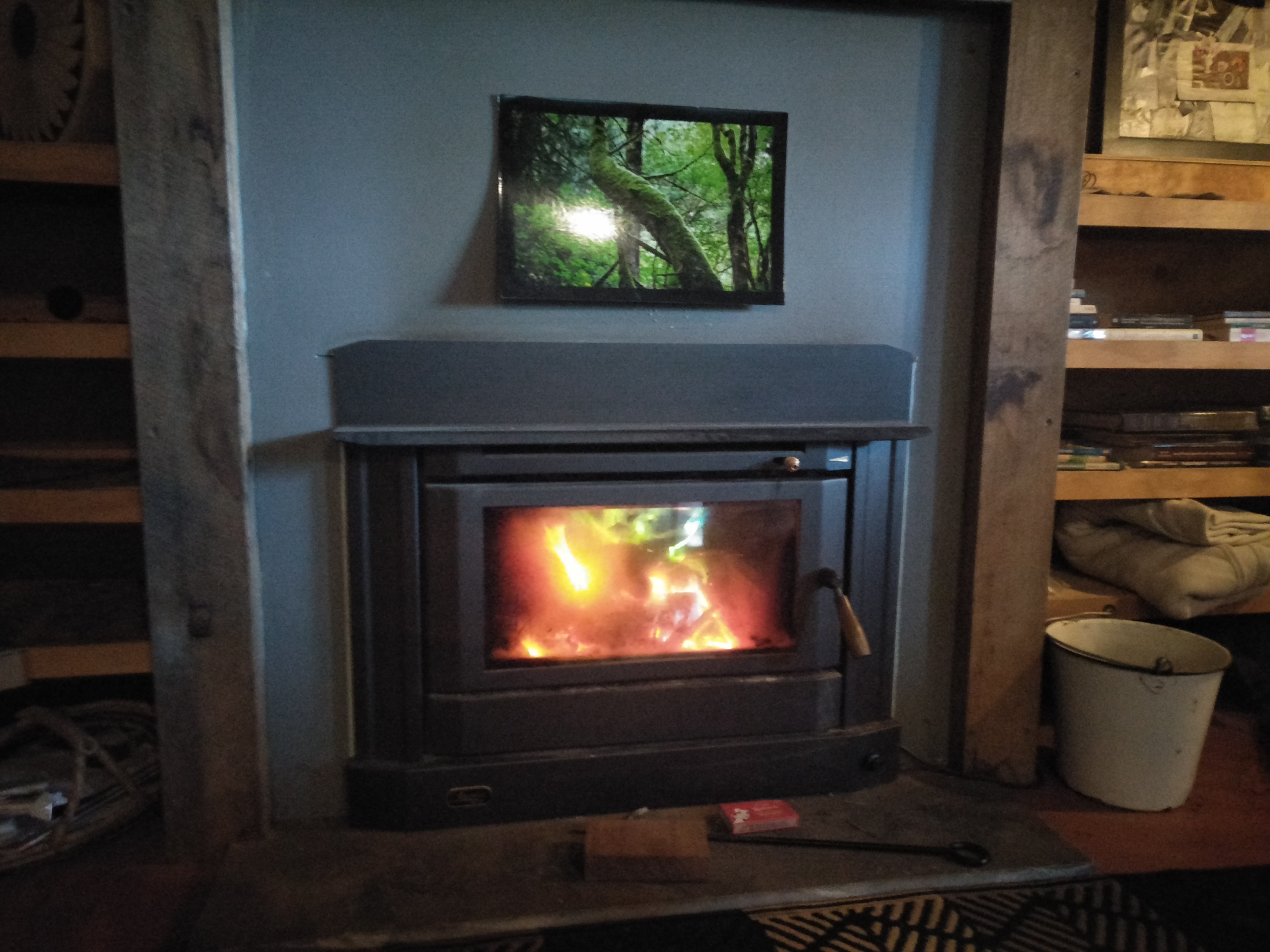 Here’s an example from my life lately. Our new home is being heated by a fireplace (image to the right). The first few weeks we stayed here, I woke up during the night coughing and struggling to breathe. Being unable to breathe properly feels incredibly scary and triggers survival fears very quickly. At first I thought the house was too dusty (it was), and I did deeper and deeper cleanings. That helped a bit, but I was still struggling. Then I realised the fire was emitting such a dry heat that I needed more moisture in the air, especially at night when I’m not drinking much liquid. So I started using a spray bottle to fill up the room with moisture before I went to sleep. That helped, but was not enough. As I kept waking up with coughing fits, I practiced breathing through it and being with the fear, and my mind and body started to feel more peace as the realisation settled that yes, this was scary, but it did not mean I was dying. As a next step, I have put up a DIY humidifier consisting of a wet towel hanging from the ceiling which slowly evaporates over about 24 hours. And now I’m sleeping through the night without a coughing fit. But I noticed today when I swallowed water and it went down the wrong pipe, though my body was dramatically coughing to expel the liquid, my mind was relaxed in the knowing that this was not going to kill me, and my emotions remained steady with just a bit of embarrassment that a friend was visiting and worrying seeing what I was going through.
When I first started waking up in the night with coughing fits, I told Lukas it felt like I was drowning and I kept getting images of gasping for water in my mind. As a young child my parents told me a story of how I almost drowned in a baby pool once, so it’s possible that embedded a deep fear in me that was coming up now. In general, I have been processing a lot of survival fears since we have settled into a new home. Practically, it’s somewhat insecure with a month-to-month lease agreement, but it’s more secure than nomadically moving around and finding a new place to stay every week or two which we were doing the first half of this year. It’s exciting to move around that much, and we learned to live very simply and minimally, and to enjoy daily pleasures of being by the beach, in the bush, cooking with limited tools and ingredients, and snuggling under the covers with hot tea and TV.
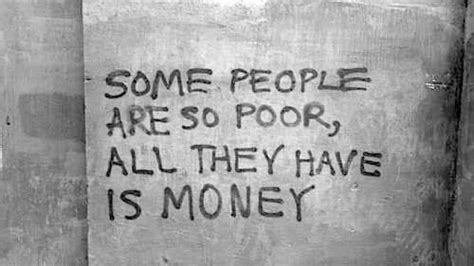 It also takes a lot of energy to be in survival mode, to watch your savings drain, and maintain faith and trust that you will settle again at the right time and place. Each time I have been on that journey alone or with Lukas, the eventual landing has been better for me and us, and this is no exception. I feel so much safer for all the fear I have faced over the last year of not having our own space, that now we are resettling into this house, I feel incredibly blessed and grateful to be borrowing this for a while. I know none of these earthly spaces are ‘mine’ in an ownership sense. (Image from here) And part of how Lukas and I honour that knowing is by:
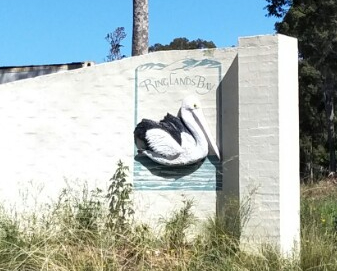 For 7th generation colonial settler Lukas, renouncing ‘owning’ of property is a lifelong path of facing fears and healing from ancestral ‘taking’ of land. When we visit Ringland’s Bay and the other areas around Narooma named after his ancestor, a ship captain buried in style in Bermagui Cemetery, we feel connection with place and pain. When we are with Traditional Owners who are our friends and talk about projects to facilitate healing people and country, it makes our journey into the pain and fear feel very worthwhile.
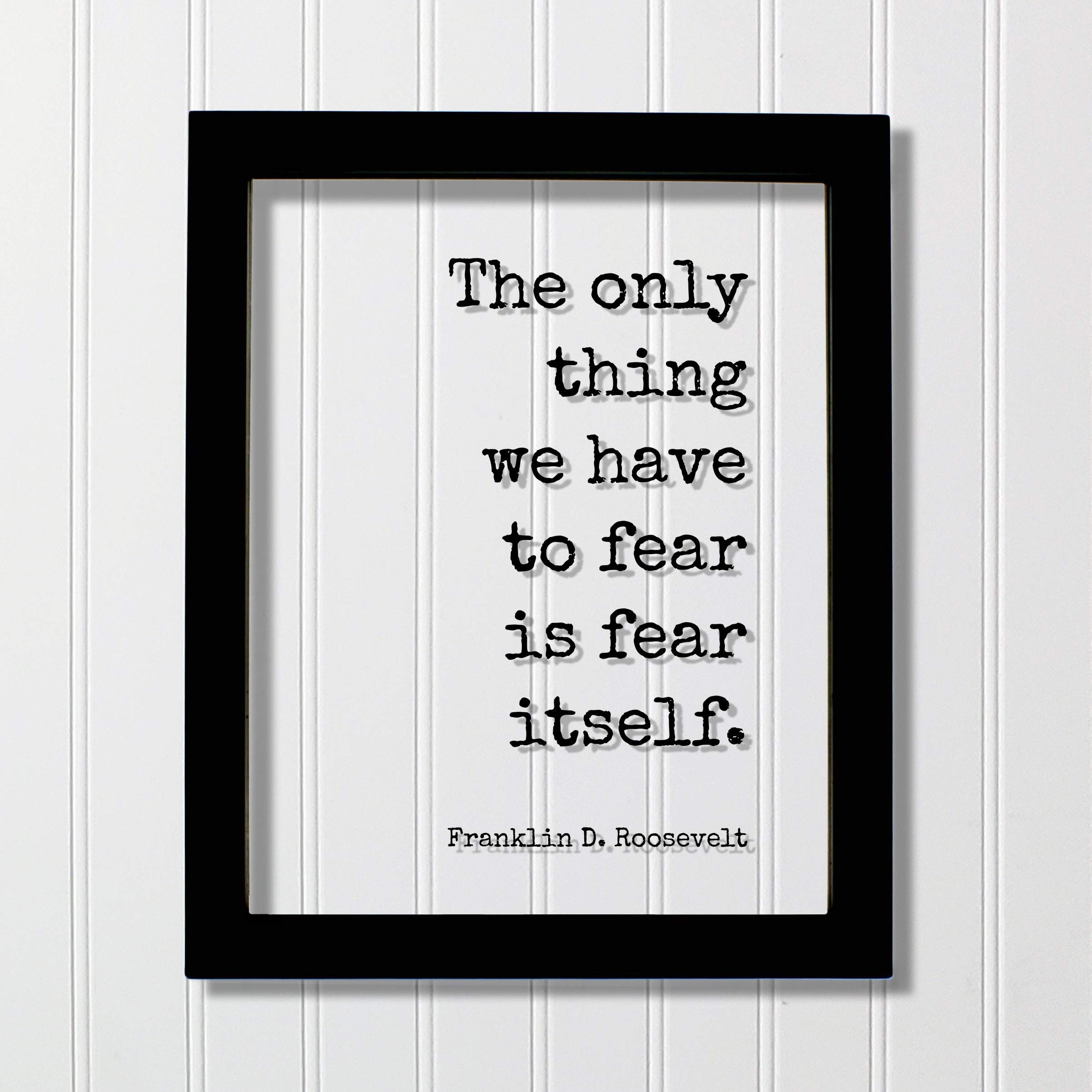 It’s so empowering to have enough space with our fears to act instead of react, and to be able to discern which feelings of fear are life-threatening (there’s a gun, get out of there!) versus which ones may feel life-threatening but can be healed (that person’s judging me, which hurts and feels socially scary, but their judgment isn’t going to kick me out of society, so I need to protect and comfort myself). It makes this famous quote make sense to me, and is inspiration to continue befriending our fears (physically, mentally, emotionally, and spiritually), especially with covid creating limitations in the physical world and opportunities for us to be more intimate with our inner worlds. (Image from here)
 If you value this content, please engage in reciprocity by living, sharing and giving.
Update: All dialogues are now available online on the Earth Ethos YouTube Channel.
You are invited to join Earth Ethos in honouring each element of the medicine wheel (earth/physical, air/mental, fire/spiritual, water/emotional) and the heart centre through five dialogues between Indigenous scientists this May.
All dialogues will be facilitated by Dr Valerie Cloud Clearer Ringland, an East Frisian (Indigenous to northern Germany) and Jewish-American woman living of Yuin country with lived experience and a PhD in Indigenous trauma healing.
May 3, Fire/Spiritual: Ancestral Healing with Ellis Bien Ilas, a Filipino-Australian ancestral healer living of Eora country.
May 5, Earth/Physical: Settler Trauma with Lukas Ringland, an Anglo-Celtic Australian (and Valerie’s life partner) healing and living of Yuin country.
May 7, Air/Mental: Weaving Knowledges with Sara Hudson, a Jewish-Pākehā woman living of Darug country using Indigenous and Western knowledges in evaluation and academic work.
May 11, Heart/Cultural: Identity Politics with Shannon Field, a Yuin woman living on country and working in Aboriginal policy.
May 13, Water/Emotional: Confronting Whiteness with Dr Virginia Mapedzahama, a Shona (Indigenous to Zimbabwe) with African Women Australia Inc. living of Wangal land.

Sign up at the Eventbrite page to get the Zoom link or use the Earth Ethos Calendar to click on the Zoom link to participate. All dialogues will be available next day on the Earth Ethos Facebook page.
Please pass on information about this dialogue series with others who may be interested!
 If you value this content, please engage in reciprocity by living, sharing and giving.
Blog by Valerie
There is immense power in embodying healing through lived experience. As I work in facilitating & healing spaces, I feel it is important to be open about parts of my journey. If you want to learn more about my personal lived experience journey, please read on.
My healings, awakenings and navigations of grief and loss have been quite intense. I am the child of two lineages steeped in trauma and conflict: an Ashkenazi Jewish-American mother whose ancestors fled pogroms in Eastern Europe to the U.S. in the late 1800s, and an East Frisian father, an Indigenous northern German man who moved to the U.S. in the 1970s, and bonded to a lapsed Catholic Anglo-Celtic-American nanny as a mother. I was born on Shawnee land in Ohio, U.S., and from infancy until age 15 was sexually abused by an uncle who may be my biological father. My maternal bond to my nanny created resentment and jealousy for my mother, and a cross-country move separated me from my nanny, creating another layer of abandonment wounding. As my father was the first in his family to move off country, I inherited his abandonment of country wound, in addition to that of my mother’s family which for Jewish people is extensive.
I grew up primarily in Atlanta, Georgia, U.S., a city with a history of genocide, slavery, civil rights, and immense racial tension for over 300 years. It was the birthplace of Martin Luther King, Jr. and is home to the largest Confederate Memorial in the U.S. as well as being ceded Cherokee land that was the start of the Trail of Tears. Most my community was heavily Christian, and I lost many childhood friends who failed to ‘save me’ from being Jewish.
Throughout childhood I had problems with my digestive and hormonal systems, and from ages 18 to 33 I endured intense physical health challenges, with my digestive, hormonal and nervous systems dis-functioning and shutting down. My body was so full pain, trauma, and loss, I could not digest or hold what I had experienced in childhood, nor be present in my environment. I did not know myself. I had poor boundaries and was almost entirely enmeshed in codependent and abusive relationships, including with my family of origin. I experienced my parents’ relationships as domestic violence and grew up with a lot of mental illness and intergenerational trauma impacting me and my family, though people denied it.
 Because of an interest in justice and meditation, I was pushed into law school, though the Western legal system is not my idea of justice at all. Determined to be of service, I spent years doing pro bono and low-paid work around the world with a focus on child advocacy, community building, and conflict resolution. In India I drafted a law to criminalise child sexual abuse that passed in 2012; in South Africa I led a small non-profit focused on community building and did conflict resolution with a rural Zulu communities; in Australia I worked with survivors of clergy sexual abuse, which ultimately led to a Royal Commission and systemic reform; and in Peru I worked with an inner-city restorative justice program. During this period of my life though I had already been through a lot of healing, I was still in spiritual crisis and had multiple near death experiences. Something in my life needed to dramatically shift as I was numb to dangerous situations.
 I met my life partner Lukas in Australia in 2011. Our journey to be together has been hard work, which has helped us both to realise our worth. We travelled South America to be together when my Australian visa ended, and I finally felt safe and distant enough from my family of origin for repressed memories of childhood sexual abuse to emerge. It was like a cork full of chaotic energy popped open and challenged my mind’s ‘knowns’. My life started to make more sense as dissociated and lost soul parts emerged in an intensely painful and dramatic awakening process. As I healed, every family of origin relationship and many others with close friends and trusted mentors faded away. The period of most profound grief and loss I weathered was when my father, nanny, and best friend all died within seven months, my husband moved across the country for work, and the professor I moved across the world to do my Ph.D. with behaved abusively and unethically, causing me to change the direction of my work from restorative justice and conflict resolution to Indigenous trauma healing and to founding Earth Ethos.
In my healing journey I have re-membered the medicine wheel, altar practices, totemic relationships, cultural lore, and ancestral healing practices. I have participated in plant medicine ceremonies in the Amazon; done a 10-day silent meditation retreat; danced three dry-fasting Native American knowledge-sharing healing ceremonies; apprenticed in sweat lodge-keeping; studied Indigenous grounding, movement, music, ritual and ceremony as medicine; and learned some wilderness, survival and first aid skills. I earned a Ph.D. in social work through doing three interrelated research projects on indigenous trauma healing focused on sexual trauma.
For most of my life I have lived in denial about my value and worth, and it’s been a continual series of blessings to be freed of wounds and re-member who I am and why I am here. Through trauma healing and spiritual awakenings I have been on a journey of becoming free. I have learned to courageously speak my truth, embody sovereignty with dignity, and live interdependently with respect for all beings. My cosmology, identity, and placement continue to become clearer as I adopt and am adopted by the land, peoples, and ancestors of Australia. I find myself in flow navigating life through Indigenous Science. Though I am very far from ancestral lands, increasingly I feel, for the first time in this life, that I am centred and at home. I am grateful for all I have been through that has made me who I am and enables me to support others on their healing journeys.
If you value this content, please engage in reciprocity by living, sharing and giving.
Blog by Valerie
Four years ago I wrote the following and saved it on my computer:
Imagine synchronicity as a lifestyle.
Inner & outer awareness/alignment
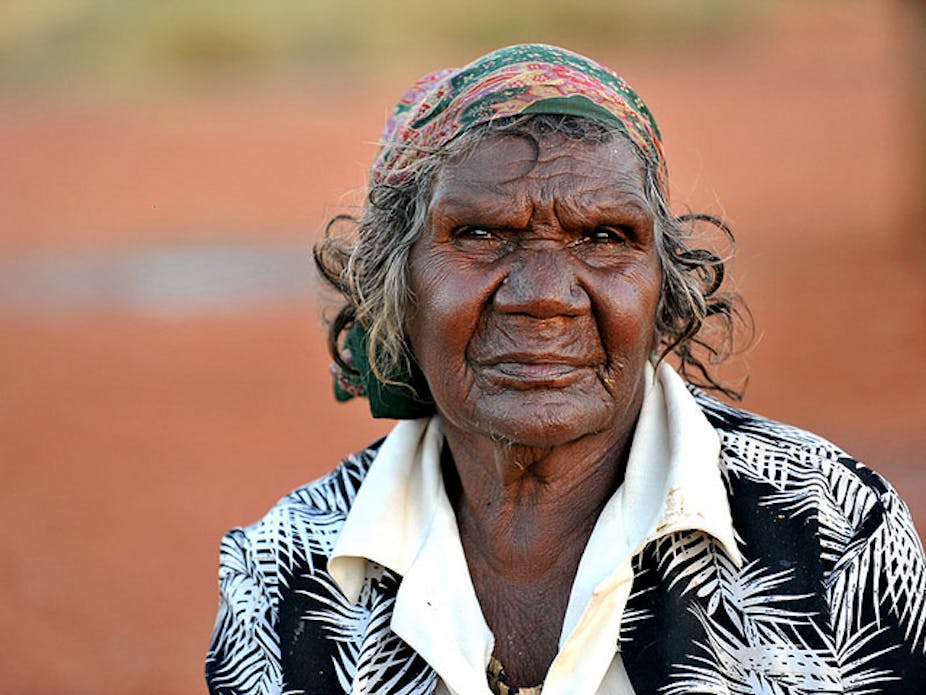 Today I was reminded of that document and moved to write this piece. For me, this is the essence of being alive and embodying an earth ethos, for in Indigenous science, timing is synchronicity. This underlies indigenous seasonal calendars, and many familiar sayings about there being a time and a season for things. You can’t force a caterpillar to become a butterfly, or a flower to go from bud into bloom – so why do we force ourselves and our environments to be out of alignment with nature? If you’re cold, be cold; if you’re hot, be hot. If you’re old, be wrinkled. (I find older botoxed faces scary and in denial, and wrinkled elder faces comforting and joyful, a sign of pride, dignity and wisdom – image from here.)
In the book Treading Lightly, it is described as telling “time in terms of synchronicity: an event will happen when all or a sufficient number of conditions are met.” The authors go on to say that this “view of the universe is thus more sophisticated and advanced than it first appears, and is close to quantum physics and the theory of relativity.” I too have found parallels between physics and Indigenous science and even did a reading group of the book Sand Talk with some physicists I used to do research with in the U.S. (And if you’re interested in a very nerdy outcome of this collaborative work, see chapter 4 of my dissertation).
A few months ago I was feeling drained and filled with grief as I had realised a big lie I had been told by a parent my whole life, and (of course) in synchronicity with this, big lies were exposed where I was living and working at that time. I prayed for a break, and I have been getting a break from the western workplace, with more time to spend in the bush and focusing on survival in the full medicine wheel sense of the word. This ‘break’ feels tough and unsustainable, also like a precious gift filled with wilderness medicine. Living in a way few people do, I experience a lot of shadow spaces that people in the western world do not go, and in these spaces, a lot of synchronicities that bring me peace and affirm the spiritual path of wholeness that I am embodying.
When we make space for all emotions, including our pains and sorrows, we honour ourselves and the spirits of those energies and everyone else who carries them. This allows things in our lives to flow – to release and emerge – without force, and a grounded power comes in that further centres us into our beings. A month ago, after nearly five years of repeated rejections, I received news that a paper on my indigenous science empathic dialogue work with sex offenders and their family members would finally be published. A few weeks later I found myself moved to publish a second poetry collection, entitled Mother Wound. To me these books have become power objects into which creative energy has been concentrated and birthed into being. And in synchronicity with the season this all happened right around the autumn equinox, as the season transitions into winter. I am curious to see what emerges as these energies are freed and released from being carried inside me.
 But right now I am still experiencing a lot of thoughts, emotions, dreams, and earthly energies. Autumn is a time of harvesting. Fulfilling a wish from years ago, in imagining synchronicity as a lifestyle, I am currently living as a nomad and flowing where I feel called, connecting with places and people of Yuin country (south coast NSW). And I have faith that I will emerge from my current cocoon at the right time with the desire to expose my beauty to the world by flitting about as a butterfly for a while. Until that “I” dies and the cycle continues with my being reborn from a little egg once more… (Image from here).
If you value this content, please engage in reciprocity by living, sharing and giving.
A poem by Lukas
Our position of dominance hides our shame and pain.
I see those white fellas who show up with their engrained sense of superiority manifesting as ignorance, hate and prejudice.
I see saviour types who subjugate their own pain under the yoke of guilt, forever seeking to unburden themselves of their shoulds: “This genocide should never have happened”; “They should have what I have now”; and most insidiously “With all that I have, I should be happier”.
And finally, I see those disassociated souls who seem perpetually determined to view things from a distance that renders things invisible. But of course that’s nonsense. To be numb does not mean the wound is not there.
I am and have been all of these white fellas. Just last week I cycled through two of them in the space of a few minutes. This panorama of experience is my blessing.
 I see us all suffering under the weight of unbridled intellect, greed and injustice. I see us all suffering from this ungrounded world we’ve created, oppressor and oppressed alike. The surface powerful and the surface powerless. And the other types of power, more hidden, mysterious.
We need to work together. We need to learn and grow together. We need to put down our shoulds with their biases and prejudices and take stances of openness.
We need to start with ourselves.
White fellas can start with simple questions: Do my feet really rest on solid ground? Does expansive and peaceful wisdom flow through me, or am I really just afraid and ashamed almost all the time?
I have the luxury of knowing that I am not alright. I read through a list of things to “help” the black fellas and there is not one thing that I myself don’t need also. I feel deep in my heart, mind, bones and spirit that in some form or another, I too need that medicine. All of it. I too need healthy connections with body, emotions, kin, community, culture, country, culture, law and spirit.
I feel like a man looking upon an oasis with an overwhelming thirst the world does not recognise. It sees abundant hydration everywhere I tread my privileged white feet, while I see poison and trickery.

I never, ever, want to engage in a project to help only “them”, whoever “they” may be. That is fraud. How can someone so in need of help himself engage in anything but an exchange?
And so to their medicine needs to be my medicine, being as it is so deeply rooted in the earth where I now live. And the flexibility and grandeur of my people’s medicine, the laser-like linear time beam of problem-solving intellect, can do better work when anchored to the side of a mountain not roaring around ungrounded like the wind.
If you value this content, please engage in reciprocity by living, sharing and giving.
Blog by Valerie
Through my first formalised human spiritual teacher Tom Lake, I learnt how to describe a core teaching that defines my path: unconditional love and acceptance. However, English is a challenging language filled with binaries. When I explain my worldview as animist, I am instantly confronted with the binary shadow of inanimate, which is a concept at existential odds with animism and not something I want to retain. Similarly, when reflecting on acceptance, rejection seems to be at odds. How do we conceptually accept rejection when it emerges in our lives, and what do we do with it? We seem to like to talk about boundaries in Western culture lately, which I’ve previously written about. But rejection isn’t always a boundary issue in my experience. Rejection could be a call for healing a part of ourselves we have denied and the need to open ourselves up to change, or it could be used to reject what we are currently accepting and stand for something different. It is this latter definition I will reflect on today.
Experiencing rejection, or the need to reject something or someone, tends to feel unpleasant. Much has been written about gentler speech, saving face, and ‘not taking it personally’, whatever that really means, because all experiences are both personal and universal in my world, and that keeps my sense of self engaged without feeling deflated and inflated in an existential crisis state. Rejection, like feeling or experience, can be approached with curiosity and playfulness. Giving rejection might seem the easier than receiving or witnessing it because it comes with more agency and control, but it isn’t pleasant to know our words or actions are likely to bring up pain in another person, so many of us choose to avoid confrontation. We might reject someone by ‘ghosting’ them and not calling or writing back; or we might say we want to move on and ‘break up’ or otherwise express our need to change the boundaries and dynamics of a relationship.
 Internally, when we have rejected a part of our ‘self’, we might need to sit with painful feelings such as anger and mistrust and rebuild a relationship, for example, with an aspect of our inner child who was judged as ‘lazy’ and felt ashamed about it. When we become our own parents, we can teach that part of our self that resting and going slowly is something we value and are sorry they were judged and shamed for it. As we can start enjoying resting and being lazy, we accept and move through feelings of shame and thoughts of judgment and whatever else we took onboard as a child, allowing healing to occur for a wounded part of our self. While accepting our ‘self’ and all these feelings, we are rejecting the previous teaching (lazy = shameful, unworthy, etc.). In this way, we can find ourselves on a path of rejecting what we’ve thought of us as our core self – including culture, identity/self, family/blood, sexuality, etc. (Image from here.)
For me, accepting my self has involved ongoing rejection of foundational teachings and experiences from my childhood and allowing my sense of self to heal and be redefined. The path I was set up on was a literal dead end, tragic and painful. There was no way for me to survive but to accept that for what it was and go on a journey of allowing that old world to self-destruct, land on a solid yet rocky foundation of rubble, and start rebuilding in a better way. I have found that the accept myself/reject past teachings process has become less dramatic and intense over time, at least through my experience, but not necessarily through outsiders’ witnessing of my journey.
If you value this content, please engage in reciprocity by living, sharing and giving.
 Earth Ethos