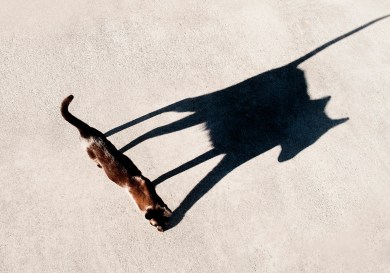
Most of us are familiar with outliers from mathematics, as illustrated by this image:

I have always felt like an outlier. Outliers can be inspiring leaders, and can also be absolutely crazy. Most outliers, in my experience, embody a bit of brazen madness that carries us outside the mainstream. Others have written about the challenges of honouring a multi-cultural identity, and of digging deeply into their roots to claim their full identities. I will write about something else. About the outlier as a leader and a madman.
To me, leadership must create an opening, which shows that it is alive. It may open someone up to joy or to pain, open up space between people or open up connection, but it creates opportunities to become more fully embodied and alive. Much of what we call leadership I feel leads us to dead ends. A leader unwilling to step aside and help someone else into their place, who clings to their standing, is not a leaders but a childish dictator in my eyes. Leaders know there is always somewhere else to go. To me, true leadership is a pioneering into unknown, lost, forsaken, and forgotten spaces. Aboriginal scholar Tjanana Goreng Goreng defined sacred leadership as people:
- Embodying humility & being a model of respectful behaviour;
- Leading through bottom-up empowerment & mentorship;
- Sharing wisdom, holding initiation rites, and sharing culture in layers when people are of a strength of character;
- Who are chosen by a community, not self-selected;
- Carrying specific knowledge, lore, beliefs who ensure the safety & security of the teachings.
Ultimately, the difference between an outlier who goes mad and one who becomes a leader is one who is able to move beyond personal self-interest and live with a heart of service. This means balancing self-care with asking for support and taking risks, sometimes putting oneself 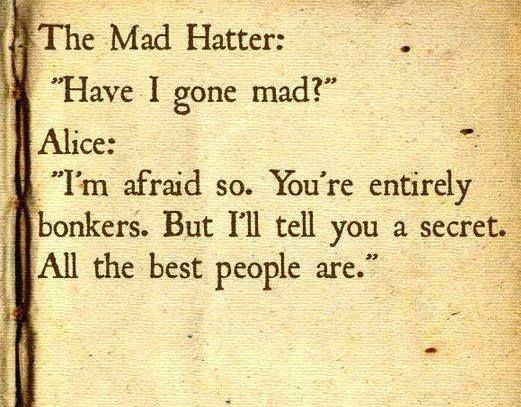 purposely into trauma or danger, but not to the point of becoming a martyr and building resentment. It can be a challenging line to walk. It requires very high personal standards along with loads of compassion for self and others. It can be isolating and incredibly fulfilling. Instead of being outraged about whatever stupid action Trump did this week, I was in awe to learn that fish underwater sing the water and reefs awake at dawn, just like birds on land.
I have struggled to connect with many people around me, and I’ve worked really hard to understand Judeo-Christian, Western, and Anglo worlds. But I don’t innately understand them, and they don’t innately understand me. There must be something that makes each of us feel like an outlier, even in a small way. What if we focus on enjoying that breadth of our diversity, on learning from each other, and on exploring the outer limits of our inner worlds? We may just find, like these side-by-side images of Western microscopic art and Aboriginal Australian art that we outliers are redefining social structures in ways that align with Mother Earth better and can inspire others through our own leadership into owning our outlier statuses. (Image: Gum leaves under a microscope & Gathering Bushtucker painting)

 If you value this content, please engage in reciprocity by living, sharing and giving.


 If you value this content, please engage in reciprocity by
![INDIGENOUS AUSTRALIA[2]](https://earthethos.net/wp-content/uploads/2019/07/indigenous-australia2.jpg?w=604)
 If you value this content, please engage in reciprocity by


 I have heard of many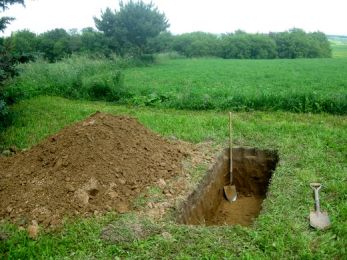

 Buddha, and Krishna, and where people also sit in contemplation and pray for insight and guidance from those figures. I find it helpful to be intentional about these differences in my own life, but maybe blended spaces work for you. Ultimately, we build relationships with figures, ideas, events, places, and energies, and those relationships work best when we both give and receive, and do not always ask or give with the expectation of immediately getting back… (Images: Altar of St Michael’s Church in Munich, Shrine of Remembrance for the War Dead in Melbourne)
 If you value this content, please engage in reciprocity by
 I have a lot of compassion for the messiness of embodying Earth Ethos in modern multicultural cities. This is my life! And it is hard, messy work. It’s important to give ourselves and each other grace and trust that we all do our best. For a beautiful story from someone of mixed cultural heritage about honouring all of her complex heritage,
  If you value this content, please engage in reciprocity by

 If you value this content, please engage in reciprocity by


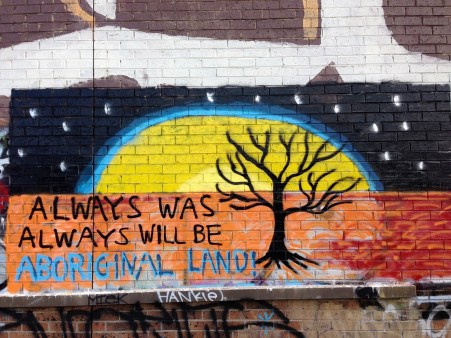

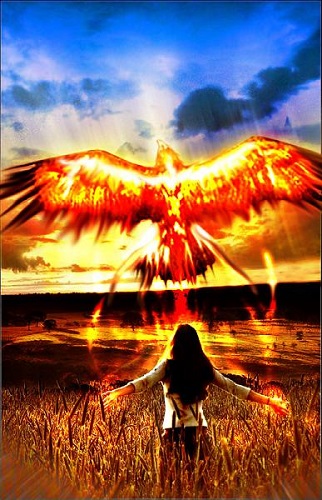 I have witnessed many people experiencing a shaman’s illness. When people reject or resist it, they usually end up dissociating the destructive energy and becoming very challenging externalising personalities (like narcissists or sociopaths), or internalising the destructive energy and creating diseases such as quickly metastasising cancers. I have witnessed multiple people do both of these things. When people accept the calling of the illness, there are different speeds of doing so, which impacts the way the illness plays out in a person’s life. I have seen some people slowly accept that they are experiencing shaman’s illness over many years and bit by bit change their paths so that over time more aspects of their lives are working. Some (including myself) dive directly into the fire and allow our lives to become incredibly chaotic as our identities are re-forged and often become overwhelmed at the amount of emotion that needs to be processed and the whirlwind pace of life changes that occur. (Image from
 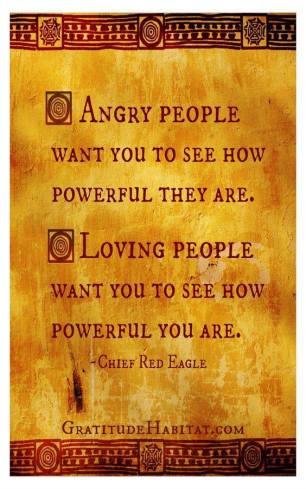 It is helpful, but not necessary, to seek support from someone who has been through similar things. Such people can give you compassion and empathy, guiding wisdom, and tools to process wounds and express energy. But it’s vitally important not to delude yourself that any human is a fully healed Jedi-master, all-knowing figure. If someone says they are, then RUN AWAY FROM THEM, because that person is dangerous and delusional and is on a path of becoming a cult leader or something else you don’t want to be involved with. It is important to think of illness and healing as processes, not finite endpoints. When someone says they have “healed” a wound as intense as sexual abuse or parental abandonment, I am suspicious; and when someone plays power games, disrespects, or in any way puts me down, then I know that person is ill and cannot support my healing anymore. I have no tolerance for these behaviours, even when people are unaware. I either change my boundary and create space or make someone aware of their transgression, and if they then don’t own it and work through it, I’m done with the relationship. (Image below from
 If you value this content, please engage in reciprocity by
  Earth Ethos