Category Archives: Spiritual Skills

Spiritual Traps

Adapting another chapter from the Indigenous Science book I’m writing into a blog.

Blog by Valerie Cloud Clearer

This week we’re going to consider eight common spiritual traps we can fall into that take us away from Indigenous Science, along with suggestions for freeing ourselves.

(1) Spiritual vacations occur when we do something (like take a psychedelic) or go somewhere (like a meditation retreat) that alters our consciousness, then find ourselves unable to integrate what we learned into daily life. Putting ourselves in a group environment allows some of us to access states of being we otherwise can’t, just like some of us find that certain substances help enter altered states of being. Eric D. Schabell: 3 Ways to Empower Employee Vacation ...

Cultivating the self-discipline of a daily practice is a way out of this trap. Another is honest check-ins about our intentions; like: ‘Am I reaching for this plant because I feel called to do sacred ceremony, or because I want to feel a certain way today?’ (Image from here)

(2) Sometimes we get addicted to intensity. This could look like anything from doing thirty ayahuasca ceremonies to being in relationships with lots of drama. Indigenous Science is about balance, and we need to be able to deeply appreciate a range of experiences (emotionally, physically, mentally, and spiritually).Sound Intensity and Level | Boundless Physics
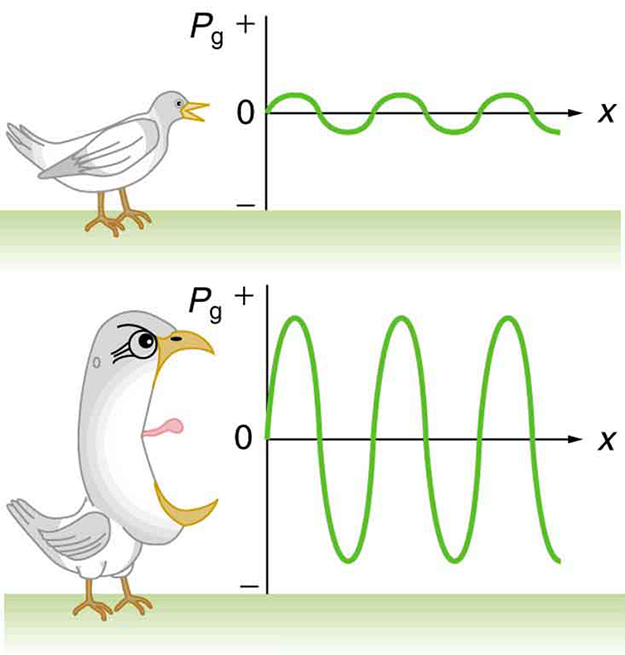
The main way to break free is to detox by taking a break from the intensity, resetting boundaries, and allowing ourselves to feel numb, grumpy and bored while we reset. With patience and persistence, we regain the ability to enjoy more subtle states of being. For example, if you’re used to hearing city traffic, it’ll take a while of being in the quiet of the country to be able to hear the wings of a butterfly when it flits by. (Image from here)

(3) Spiritual bypass is a “tendency to use spiritual ideas and practices to sidestep or avoid facing unresolved emotional issues, psychological wounds, and unfinished developmental tasks.” Someone may believe that they must remain in an abusive relationship because of karma; or someone might be getting feedback they’re behaving bossy and controlling and excuse it as being a leader with high standards.Route 250 Bypass | Route 250 Bypass Interchange at ...

The first step out is being open to realising that you have been denying or suppressing something. Sometimes it takes multiple experiences, or wise counsel from someone we trust. The next step is facing the denial and seeking support. (Image from here)

(4) Another trap is black and white thinking. In Indigenous science, “Both dark and light are necessary for life.” Unlike New Age ‘go to the light’ thinking, Indigenous scientists see darkness as the purest form of light because it contains all colours, whereas white reflects and rejects. When we find ourselves existentially rejecting or judging (e.g. ‘cancel culture’), being ‘objective’ (e.g. imposing our view onto others) and/or labelling (e.g. a ‘bad’ person), we are engaged in black and white thinking. Black & White Sunflower Photos | Literary Spring Designs

To heal we must make space for grey areas, find the humility to carry a little doubt even when confident. Noticing our and others’ existential crises (i.e. being highly triggered), we can then unpack why we and/or others feel so unsafe and shift beliefs. (Image from here)

(5) Guru worship involves giving our power away to a being who ‘knows better’ on an existential level. When we place someone on a pedestal, we devalue ourselves. That which we honour with our time is what we worship, which may be non-humans such as marijuana, mushrooms, alcohol, etc. Guru worship is the basis of most cults. Beautiful Warm Cloudscape With Man Silhouetted Standing ...

The main way to escape (as a giver or receiver) is to become aware of feeling devalued or pedestalled. And if you are using a substance with the intention of doing ceremony, I suggest stopping regularly to see if you experience any addictive urges, reflect on your relationship with the substance and work to purify it. For example, I know someone who stopped doing Native American tobacco pipe ceremonies the moment he realised he had picked it up to smoke without the intention of praying. (Image from here)

(6) Spiritual ambition is tricky, because ambition is often rewarded in other areas of life. The saying that when the student is ready the teacher appears is wise. With each spiritual teaching comes responsibility. For example, if you do a pipe ceremony, you enter into a sacred relationship with tobacco. If you then smoke a cigarette at a party, it not only won’t be fun but you may even become unwell for desecrating the plant. Collaboration is... taking up as my own common challenges ...

I suggest reflecting where your desires for new learnings are coming from, and taking a small step to see what feedback you get through Indigenous Science data. For example, if you wish to carry your own medicine drum, you might start by placing a power object representing this desire on your ancestral altar and pray for guidance and support on that path. Then see whether a step towards a drum emerges for you. (Image from here)

(7) Spiritual businesses are another tricky aspect of modern life. What is spiritually wise (e.g. telling a student they are not ready for a ceremony) may be very unwise in the business world. And sacred reciprocity isn’t based on a transactional economy. What It Takes to Keep a Small Business Open and Thriving ...

I suggest not making a spiritual business your sole survival strategy financially so it’s easier to maintain integrity. It also helps to be willing to fail while doing what’s right. (Image from here)

(8) Cultural appropriation is using “objects or elements of a non-dominant culture in a way that doesn’t respect their original meaning, give credit to their source, or reinforces stereotypes or contributes to oppression practices.” There’s some nuance here, but it’s important to consider when knowledge-sharing with other cultures. Have you had your identity stolen? Great cartoon from Last ...

It’s important to be honest with yourself about your intentions when learning and using other cultural knowledge, how you may be benefitting (socially, financially, politically etc.), how you are honouring the source of the knowledge, and whether you are the right person to be further sharing another cultures’ knowledge. It is valuable to be an ally, but keep in mind that allies do not lead unless they are asked. (Image from here)

Exercise: Reflect on the eight spiritual traps discussed this week. Which ones have you experienced? Which ones have you witnessed others go through? What helped you and those you know escape and avoid these traps?

giveheart If you value this content, please engage in reciprocity by living, sharing and giving.
Warriorship

Blog by Lukas

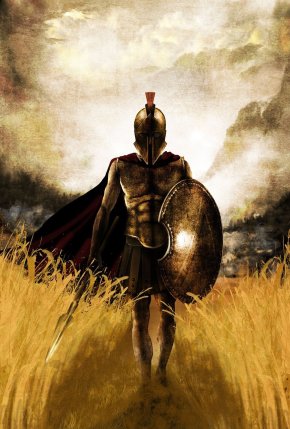
Are the most prescient ideas and images that come to mind when you think of the word “warrior” all about physical strength, toughness, and violent conflict? I doubt you’re alone. To borrow a trick from Valerie, if you online image search the word “warrior” the first things that come up are virtually all men and related to physical violence, specifically some new television show that evidently involves a lot of arse kicking. The story is similar if you try “female warrior”.spartan-4016133_1280

The technical definition of a warrior in the English language supports this narrow view, being rooted in a French word guerroieor meaning “one who wages war”. Most definitions of warrior relate to waging armed conflict, specifically those who have some kind of specialised role in doing so. (Image from here)

The etymology of the word “war”, however, is much more interesting, seemingly originating with broader concepts that include difficulty, dispute, and hostility. According to  etymonline.com, if you follow the known Proto-Germanic cognates as far back as they go, you arrive at a word that means “to bring into confusion”.

This is fascinating to me on a number of levels. Not least of all because virtually all first-person accounts of war I have read describe some manner of confusion and chaos to a degree that was unexpected to the writer. My flailing fist fights over the years confirm this; and as “Iron” Mike Tyson said: tyson

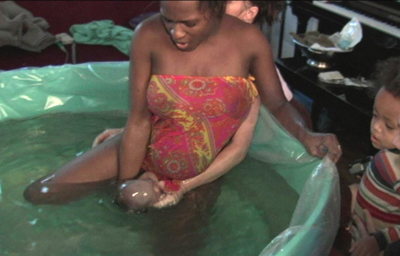
So if war is to some degree about confusion and chaos, perhaps the true warrior is someone who uses their power to bring these things back into a calmer balance? This then is about a warrior responding to and resolving conflict rather than instigating it, even if it is they who strike first. Without doubt there is a rightful place for violence in this, but also many other elements. Sticking to the realm of the physical, another version of the warrior could be a woman in labour finding her strength and power and calmly birthing just when things were at their most chaotic and the pain most intense. (Image from here)

But if we are to use this warrior concept to its fullest extent, literally and metaphorically, perhaps the most important thing is to apply it across the medicine wheel. So this gives us emotional, spiritual, and mental warriors; any and all ways in which a being can use their strength and power to bring conflict and disorder back into balance.

Note that this bigger version of warriorship does NOT just mean these other aspects of warriorship being in service of physical violence, such as mental energy being devoted to better weapons technology, or emotional quieting and centring that improves fighting ability. It means recognising their deep value to our being in and of themselves and together in balance.

This topic came to me when thinking about men and masculinity in the context of healing and reconciliation between Anglo-Celtic Australians and Aboriginal Australians. If we restrict our thinking about and valuing of warriorship to literal, physical combat, this makes such healing hard, such was the intense lopsidedness of the physical contest.

I don’t think it is controversial to say that in the world of Aboriginal Australians, weapons and warfare were just one part of what made men and warriors in those cultures whole and powerful. The weapons they had been using for millennia more than did the job they were needed for. Europeans, on the other hand, were by 1788 riding a wave of centuries of escalating prowess in using violence, supercharged by technology and in service of greed. Warriorship caused more conflict and trauma than it resolved.

With this fuller version of warriorship comes some understanding of what I as an Anglo-Celtic colonist lack, and what I need for healing. I don’t yet value my heart and spiritual warriorship enough.

warrior-body-paint-ritual-scars-Western-Australia-1923

On both the oppressor/colonist side, and the survivor/colonised side of this ledger is ample reason to grow through helping each other to see warriorship more fully. When we do this we’ll need no self-shaming to see the deep value of the balanced warriorship of Aboriginal masculine culture. We colonists can learn what being a whole mature warrior means, and Aboriginal men can learn to value who they are more fully. Then we can do ceremony to bring the conflict and disorder back into balance. (Image from here)

Exercise: Taking a strengths-based stance, think about how your sacred masculine (regardless of your gender) displays warriorship across the Medicine Wheel.

Exercise for Australians: If you are doing an Acknowledgement of Country (especially when there are only men present), try acknowledging the Aboriginal warriors as well as Elders.

giveheart If you value this content, please engage in reciprocity by living, sharing and giving.

Trauma & Healing

Blog by Valerie Cloud Clearer

As some of you know, I have been writing a book (or it’s being written through/with me may be more accurate language ), so I have felt less inclined to blog. Today I thought I’d adapt a chapter from the book into a blog, since I haven’t written directly about the Indigenous science of trauma in blog form before. It was my PhD topic (and much of my lived experience), so it has taken many years to be able to succinctly express some of the ideas. I hope it resonates with you.

forgiveyourselfTrauma’s meaning, causes and methods of healing differ by culture and cosmology. In Western science, trauma is typically defined as profound wounding that damages a person’s ability to trust in life and self, resulting in existential crises[1]. Trauma is encoded in brain pathways rooted in fear/terror and disgust/ aversion. Feeling fear is intended to protect us from life-threatening danger, so our nervous systems rev up and prepare for crisis. Trauma causes our nervous systems to activate stress hormones when danger isn’t present, creating flashbacks, emotional volatility, strained relationships, re-traumatising experiences, and severe stress[2]. Primary trauma occurs for a person who directly experienced it, and secondary trauma for family and friends. There’s also intergenerational trauma. A typical Western healing approach is individual counselling, with some alternative approaches including other family members, or integrating art therapy, body work, or EMDR[3]. The underlying idea is that by surviving trauma, we can become more resilient individuals.

In Indigenous science, all disease including trauma is indicative of “disruption in the natural order of humans’ interactions with the spirit world,” such as failure to honour the spiritual realm, failure to honour one’s ancestors, neglecting cultural rituals or religious ceremonies, or losing faith in the Creator[4]. Where Western scientists seek cures of diseases and treatments for trauma, Indigenous scientists view trauma and diseases as potential gifts of healing that can offer important insights about how to live well and bring new wise leadership into a community. Where Western science views a personality or ego as the centre of an individual being, an Indigenous medicine person or ‘shaman’ views a person’s eternal spirit as the centre of being. That is why the heart is at the centre of a medicine wheel, to remind us that we are connected to ourselves, each other, and all of Creation.

In Indigenous science, to try to make trauma ‘go away’ through suppression, denial, or taking drugs (legal or illegal) is denying an important spiritual initiation needed by an individual and their community[5]. Experiencing and healing trauma includes all our relations, human and non-human. Through my Ph.D. studies on Indigenous scientific approaches to healing trauma (which included Indigenous healing ceremonies and apprenticeships as well as Western scientific research), I found four underlying causes of trauma in Indigenous science:

  • Disconnection from the Earth;
  • Unhealed ancestral trauma;
  • Soul loss; and
  • Shaman’s illness.

hardtimeReconnecting to the Earth, healing ancestral trauma, and Shaman’s illness have been covered in previous blogs, so let’s discuss soul loss. In Indigenous science, traumatic experiences propel us into terror and dissociation, creating “soul loss,” meaning that we are no longer fully present in ordinary reality because parts of our spirit have split off, fled, or gotten lost. “Soul” is understood to mean ‘consciousness’.[6] To live with soul loss means we are not consciously whole in the moment, that parts of us are frozen in an unresolved past, causing us to lose energy and feel disorientated, weak, anxious and depressed, and to exhibit signs of mental and emotional illness. We may have internalised punishment or protectively hidden parts of ourselves that were unsafe to express, or internalised poisonous emotions like anger, bitterness, envy, fear, greed, hate, intolerance, pride, rage, resentment and vanity that need to be released [7].

findingyourselfOur task as healers is to allow alchemy to occur so that sh*t we are carrying in our hearts, minds, bodies and spirits can instead turn into fertiliser for ourselves and others. By consciously choosing to move into terror and aversion/disgust when we are in a safe space, we can reconnect with lost soul parts. In doing so, we gain knowledge that expands our individual and collective understanding of ourselves and our world. This is seen as the sacred calling underlying a ‘shaman’s illness’. Trauma is seen as a spiritual offering of a huge amount of energy that can redirect us into a new identity like a phoenix rising out of ashes. Indigenous healers are called ‘medicine people’ or ‘shamans’ because through healing trauma we embody medicine by living in a wiser way and offering support to others who are struggling through similar wounds.

We heal by consciously going into our traumatic states in a safe space. We are born being able to express few sounds, and similarly much of the traumatic energy of re-birthing ourselves is preverbal. Indigenous traumatic healing requires us to access profound, primal energies, to re-member ourselves by moving through layers of pain, being with and expressing chaotic, violent, pre-conscious and unconscious energies through visions, bodily sensations and movements, and dream-like states of consciousness outside of a Western cosmology.[8] Trauma gives us the ability to enter into altered states of consciousness, and by transforming that gift from sh*tty triggered experiences of traumatic dissociation into a skilful powerful method of connecting with the ethereal, spiritual, sub- and un-conscious realms, we gain access to profound wisdom and aspects of life that others do not experience.

Exercise: Reflect on a traumatic experience you have had. How did it change your understanding of yourself? Your place in the world? Of life itself? See if you can reflect on a deeper level of consciousness through relaxing into a drum journey.

[1] See e.g. Herman, J. (1992). Trauma and recovery. New York, NY: Basic Books.

[2] See e.g. Kirmayer, L., Lemelson, R., & Barad, M. (Eds.). (2007). Understanding trauma: Integrating biological, clinical, and cultural perspectives, pp. 118-141. Cambridge University Press.

[3] https://en.wikipedia.org/wiki/Eye_movement_desensitization_and_reprocessing

[4] Monteiro, N. & Wall, D. (2011). African dance as healing modality throughout the diaspora: the use of ritual and movement to work through trauma. Journal of Pan African Studies4(6), 234-52.

[5] See e.g. Kopacz, D. & Rael, J. (2016). Walking the medicine wheel: Healing PTSD. Tulsa, OK: Millchap Books.

[6] See e.g. Cervantes, J. & McNeill, B. (Eds.) Latina/o healing practices: Mestizo and indigenous perspectives, pp. 139-174. New York, NY: Routledge.

[7] Nuñez, S. (2008). Brazil’s ultimate healing resource: The power of spirit. In Cervantes, J. & McNeill, B. (Eds.) Latina/o healing practices: Mestizo and indigenous perspectives, pp. 139-174. New York, NY: Routledge.

[8] See e.g. Culbertson, R. (1995). Embodied memory, transcendence, and telling: Recounting trauma, re-establishing the self. New Literary History, 26(1), 169-195.

giveheart If you value this content, please engage in reciprocity by living, sharing and giving.
Befriending our fear

Blog by Valerie

“You can never conquer fear, it’s always going to be there…Walking in beauty involves encountering fears, physically, emotionally, mentally and spiritually, and getting beyond them, so we can have joy, happiness, confidence and peace in the four areas of our being.” — Wally Brown, Diné (Navajo) historian/lawman

Fear is a challenging energy for us humans to be with, and we often use its influence on us to justify actions we otherwise would not allow. It may be tempting to remain in denial and avoid deepening our understanding of our primal nature, but that limits our ability to enjoy fulfilling lives and realise our deepest dreams. In my blog about addressing addiction, I shared some tools I use for facing fears and increasing my sense of safety. It’s one of life’s beautiful paradoxes that we can learn to be safe with our fears.

fairyfireHere’s an example from my life lately. Our new home is being heated by a fireplace (image to the right). The first few weeks we stayed here, I woke up during the night coughing and struggling to breathe. Being unable to breathe properly feels incredibly scary and triggers survival fears very quickly. At first I thought the house was too dusty (it was), and I did deeper and deeper cleanings. That helped a bit, but I was still struggling. Then I realised the fire was emitting such a dry heat that I needed more moisture in the air, especially at night when I’m not drinking much liquid. So I started using a spray bottle to fill up the room with moisture before I went to sleep. That helped, but was not enough. As I kept waking up with coughing fits, I practiced breathing through it and being with the fear, and my mind and body started to feel more peace as the realisation settled that yes, this was scary, but it did not mean I was dying.  As a next step, I have put up a DIY humidifier consisting of a wet towel hanging from the ceiling which slowly evaporates over about 24 hours. And now I’m sleeping through the night without a coughing fit. But I noticed today when I swallowed water and it went down the wrong pipe, though my body was dramatically coughing to expel the liquid, my mind was relaxed in the knowing that this was not going to kill me, and my emotions remained steady with just a bit of embarrassment that a friend was visiting and worrying seeing what I was going through.

When I first started waking up in the night with coughing fits, I told Lukas it felt like I was drowning and I kept getting images of gasping for water in my mind. As a young child my parents told me a story of how I almost drowned in a baby pool once, so it’s possible that embedded a deep fear in me that was coming up now. In general, I have been processing a lot of survival fears since we have settled into a new home. Practically, it’s somewhat insecure with a month-to-month lease agreement, but it’s more secure than nomadically moving around and finding a new place to stay every week or two which we were doing the first half of this year. It’s exciting to move around that much, and we learned to live very simply and minimally, and to enjoy daily pleasures of being by the beach, in the bush, cooking with limited tools and ingredients, and snuggling under the covers with hot tea and TV.

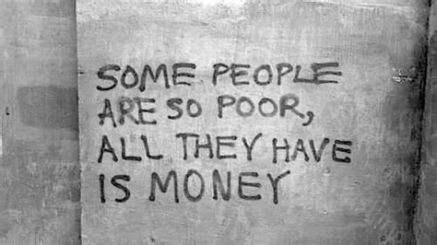
fearmoneyquoteIt also takes a lot of energy to be in survival mode, to watch your savings drain, and maintain faith and trust that you will settle again at the right time and place. Each time I have been on that journey alone or with Lukas, the eventual landing has been better for me and us, and this is no exception. I feel so much safer for all the fear I have faced over the last year of not having our own space, that now we are resettling into this house, I feel incredibly blessed and grateful to be borrowing this for a while. I know none of these earthly spaces are ‘mine’ in an ownership sense. (Image from here) And part of how Lukas and I honour that knowing is by:

  1. Renouncing the buying of land that in our eyes is all Aboriginal sovereign land, and avoiding playing the role of colonists buying intergenerationally stolen land;
  2. Having immense compassion for friends and community who choose a different path of buying land, as facing survival fears is a very personal journey;
  3. Taking time to get to know the country we’re on by paying our respects to important landforms, learning some words in traditional language, building respectful relationships with Traditional Owners who live here; and
  4. Waiting for the synchronicity that led to Lukas’s new work and our settling into a new home; ensuring we do not force ourselves onto the country and that we feel welcomed to settle and become part of the dreaming of this particular paradise.

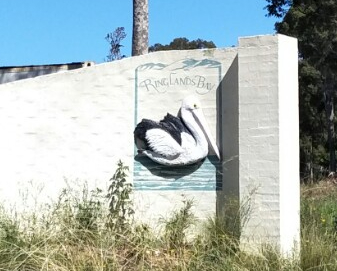
ringland signFor 7th generation colonial settler Lukas, renouncing ‘owning’ of property is a lifelong path of facing fears and healing from ancestral ‘taking’ of land. When we visit Ringland’s Bay and the other areas around Narooma named after his ancestor, a ship captain buried in style in Bermagui Cemetery, we feel connection with place and pain. When we are with Traditional Owners who are our friends and talk about projects to facilitate healing people and country, it makes our journey into the pain and fear feel very worthwhile.

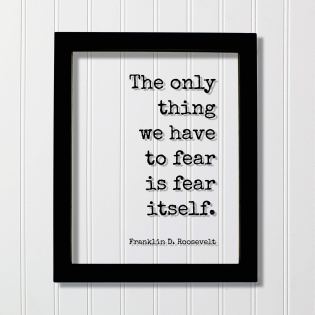
fearquoteIt’s so empowering to have enough space with our fears to act instead of react, and to be able to discern which feelings of fear are life-threatening (there’s a gun, get out of there!) versus which ones may feel life-threatening but can be healed (that person’s judging me, which hurts and feels socially scary, but their judgment isn’t going to kick me out of society, so I need to protect and comfort myself). It makes this famous quote make sense to me, and is inspiration to continue befriending our fears (physically, mentally, emotionally, and spiritually), especially with covid creating limitations in the physical world and opportunities for us to be more intimate with our inner worlds. (Image from here)

giveheart If you value this content, please engage in reciprocity by living, sharing and giving.

Central Myths

Blog by Valerie

The human mind is a story-creating meaning-making machine, and as we get to know our minds better, we uncover beliefs, values, and stories underlying our thoughts and behaviours, and ultimately defining our paths in life. We may be well aware of certain stories or beliefs have impacted us deeply, such as the story of Jesus in the Bible, or paradoxical sayings like “time is money” and “money is the root of all evil”. Yet we may wonder why certain things happen to us, why certain large-scale patterns seem to recur in our lives again and again and be bound up with our sense of identity and our understanding of our placement in the world.

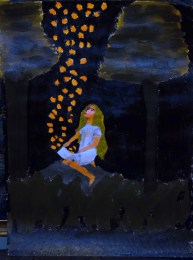
sterntalerIn this section of Mary Shutan’s Body Deva book, she has an exercise called Releasing a Central Myth. When I did it years ago, I uncovered a story from Germanic mythology called Sterntaler (in English, Star Money) that basically amounts to: if you are good-hearted and give generously, life will reward you and ultimately have your back. The dark side to this myth, which resonated with me in childhood and took me a long time to balance as an adult, is the importance of boundaries and discernment about when and how to live this way, otherwise one becomes a martyr. I painted the picture on the left at the time, hung it on my wall a while, then ceremonially burned it to heal any wounds from carrying it in an unsustainable/imbalanced way. As Mary says in a blog post about the concept,

[A]t the base of our being, we have a central myth that propels us into being. We may have many myths regarding ourselves, and although they can in some regard motivate us, they are restrictive energies because such myths tie us to expected behavior and an expected trajectory… Loops primarily come from trauma.

I have found (so far) that I have been carrying two central myths, which are in conflict. This is no surprise given my blood lines, and the fact that in traditional Jewish culture that because my birth mother identifies as Jewish that defines me as Jewish, yet in traditional Germanic cultures, I inherit cultural identity through my father as a woman, and if I were a man I would inherit from my mother. I feel intuitively in my being as though I inherit from my father, and I have had Indigenous elders from other cultures also confirm that they see my moeity as patriarchal. Yet as I wrote in this post, I’ve been unpacking Indigenous roots of Jewishness, which after nearly 6000 years of Biblical beliefs has been a challenge to say the least and involves lots of work in the root chakra. I am doing this shadow work because my inheritance from my mother’s lineage feels destructive and forced upon me, and I want to heal and take responsibility for that part of my life. And, not surprisingly, the central myth that has emerged from my Jewish lineage is a traumatic pre-Biblical Mesopotamian story about intergenerational incest and familial distrust. story

I encourage you, if you haven’t already explored this within yourself, to consider reading Mary’s blog and looking at the exercise linked above in her book. Some common central myths to consider that cut across cultures include: the hero’s journey, the damsel in distress, the martyr, might makes right, the American dream, individualism, and any religious or folk/fairy tale stories that resonate deeply with you or that you identify with. This isn’t to say you shouldn’t identify with certain stories; it is to say that it’s empowering to be consciously aware of our central myths so we can hold them fully with their pros and cons/dark and light aspects. This frees us from acting our infinite trauma loops in which we project our central myth(s) onto people and places around us in an attempt to see ourselves. In my experience for myself and witnessing others’ healing, it feels freeing, humbling, and ultimately brings peace as we more deeply understand the influence of ancestral stories on our life’s struggles… (Image from here)

If you value this content, please engage in reciprocity by living, sharing and giving. giveheart

Cry of the White fella

A poem by Lukas

Our position of dominance hides our shame and pain.

I see those white fellas who show up with their engrained sense of superiority manifesting as ignorance, hate and prejudice.

I see saviour types who subjugate their own pain under the yoke of guilt, forever seeking to unburden themselves of their shoulds: “This genocide should never have happened”; “They should have what I have now”; and most insidiously “With all that I have, I should be happier”.

And finally, I see those disassociated souls who seem perpetually determined to view things from a distance that renders things invisible. But of course that’s nonsense. To be numb does not mean the wound is not there.

I am and have been all of these white fellas. Just last week I cycled through two of them in the space of a few minutes. This panorama of experience is my blessing.

CharliesCountry I see us all suffering under the weight of unbridled intellect, greed and injustice. I see us all suffering from this ungrounded world we’ve created, oppressor and oppressed alike. The surface powerful and the surface powerless. And the other types of power, more hidden, mysterious.

We need to work together. We need to learn and grow together. We need to put down our shoulds with their biases and prejudices and take stances of openness.

We need to start with ourselves.

White fellas can start with simple questions: Do my feet really rest on solid ground? Does expansive and peaceful wisdom flow through me, or am I really just afraid and ashamed almost all the time?

I have the luxury of knowing that I am not alright. I read through a list of things to “help” the black fellas and there is not one thing that I myself don’t need also. I feel deep in my heart, mind, bones and spirit that in some form or another, I too need that medicine. All of it. I too need healthy connections with body, emotions, kin, community, culture, country, culture, law and spirit. 

I feel like a man looking upon an oasis with an overwhelming thirst the world does not recognise. It sees abundant hydration everywhere I tread my privileged white feet, while I see poison and trickery.

lukasgiftpainting

I never, ever, want to engage in a project to help only “them”, whoever “they” may be. That is fraud. How can someone so in need of help himself engage in anything but an exchange?

And so to their medicine needs to be my medicine, being as it is so deeply rooted in the earth where I now live. And the flexibility and grandeur of my people’s medicine, the laser-like linear time beam of problem-solving intellect, can do better work when anchored to the side of a mountain not roaring around ungrounded like the wind.

giveheart If you value this content, please engage in reciprocity by living, sharing and giving.

Addressing addiction

Trauma and addiction are interrelated. I was listening to a talk yesterday by Dr Gabor Mate, a western medical doctor and wounded healer I have a lot of respect for. He said simply, if you can’t fight, flee, or ask for help, your brain dissociates – you freeze to survive. Freezing is meant to be a temporary state we heal from to regain integrity and peace when the survival threat has gone. But what if it isn’t temporary? (Isn’t there a reason Frozen resonates with so many people? Image from here.)

A few years ago, I chose to traumatise myself by going through a PhD program to change my career path. It’s better for me to be a researcher than connected with the legal profession, because I find it easier to work in ways that are aligned with my values. And while I do spend time listening to people and their stories still, but I also still spend quite a bit of time staring at a screens. I do this to maintain relationships with loved ones, to watch something with my partner, or to use US late night TV to process current events with some humour. I don’t feel I can practically avoid these screens. It’s part of my survival, and though I’m working with some people who know how to live off their lands and could teach me things, they can’t even survive fully living that way today. But I feel an addictive quality to my relationship with these screens sometimes. I feel pulled to be on the phone or computer instead of doing creative tasks with my hands or doing something less stimulating like sitting outside and listening to birds. With a father who was a pioneering computer scientist, I started staring at screens in infancy. Watching people in the US cross a busy street staring at their screens without even checking for cars scared me. I used to call out to them out of concern, and a few thanked me and realised the danger but most yelled at me to mind my own business. Thankfully, I’m not in that space with screen addiction, but I still want to work through some compulsive feelings. (Image from here. Why don’t we talk to people around us anymore, or observe the space and relax?)

Digital media use and mental health - Wikipedia


In the talk I watched yesterday, Dr Mate reminded us that “infants and children are narcissistic, no matter how old they are.” We’ve been witnessing this daily with the behaviour of supposed social leaders in the media, our workplaces, and communities. I agree with Dr Mate that it’s often as simple as this: when we as children feel unwanted, we naturally, narcissistically, think we’re ‘not good enough’, because we are in a phase of life where we are forming an identity. Just one unprocessed trauma that causes a frozen dissociation can persist, even intergenerationally, with layers of addictive behaviours, emotional disregulation, and attachment disorders around it until someone digs into those thoughts, feelings, and beliefs and reaches into that core wound to heal. That is my journey, and perhaps yours too if you’re reading this. So how do we heal? And what if we’re still not in safe environments? Some dangerous, unstable people have a lot of social power right now.

“You want to make people grow? Make it safe for them to be vulnerable.”

-Dr Gabor Mate

Some people seem to spend a lifetime feeling little safety (physically, emotionally, mentally, spiritually, and culturally). I count myself among them, though over time that’s been slowly changing for me. Here are three interrelated approaches that work for me:

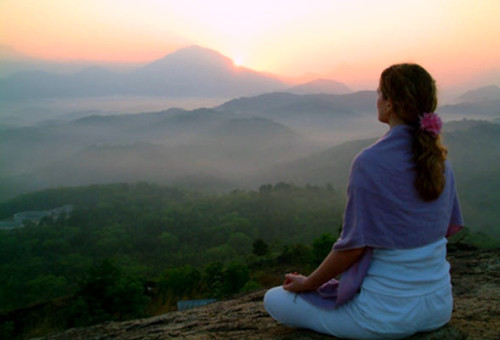
  1. Acceptance + infinite patience approach – space making for mess, focusing on compassion and accepting the moment without judgement. Lukas and others I know find Buddhist practices helpful with this, and I like to meditate and express myself through art. This is really hard when we’re passionate about something that doesn’t feel okay to accept, like ongoing abuse or something else that goes against our values. (Image from here. I actually meditate lying down but this is such a common image.)
  2. Choose any survival strategy to avoid the freeze – even if that means fighting a big battle or fleeing intimate relationships or familiar environments that will bring great pain and grief into your life and may require you to seek help to process. This can be costly in time and energy and may feel at times like ‘picking your poison’, but it will enable you to be more in integrity and feel more alive. I choose the pain of being alive to the numbness of living without passion. And I choose fighting for change and experiencing isolation over accepting abuse or neglect.
  3. Create safe space – for yourself and others to be vulnerable. Be honest and change what you can, even small things like taking a minute a day to meditate or pray can make a huge difference. Changing our environments, boundaries, jobs, etc can increase our sense of safety. And supporting others to heal and work through things helps us mature and make meaning from our own trauma, addiction, and pain. A third grader may be better at supporting a first grader in learning some things because he’s closer to those lessons. And an adult teacher may be better at other lessons because she embodies more wisdom of lived experiences. Being self aware and honest about our own healing journeys (including seeking wise advice at times) helps us know what space we can safely hold. 

That’s survival, isn’t it? Striking a balance between serving our human and non-human kin and keeping alive and well ourselves. And allowing addictions to emerge and heal frees us to be more fully here.

giveheart If you value this content, please engage in reciprocity by living, sharing and giving.
Accepting Rejection

Blog by Valerie

Through my first formalised human spiritual teacher Tom Lake, I learnt how to describe a core teaching that defines my path: unconditional love and acceptance. However, English is a challenging language filled with binaries. When I explain my worldview as animist, I am instantly confronted with the binary shadow of inanimate, which is a concept at existential odds with animism and not something I want to retain. Similarly, when reflecting on acceptance, rejection seems to be at odds. How do we conceptually accept rejection when it emerges in our lives, and what do we do with it? We seem to like to talk about boundaries in Western culture lately, which I’ve previously written about. But rejection isn’t always a boundary issue in my experience. Rejection could be a call for healing a part of ourselves we have denied and the need to open ourselves up to change, or it could be used to reject what we are currently accepting and stand for something different. It is this latter definition I will reflect on today. th (474×307)

Experiencing rejection, or the need to reject something or someone, tends to feel unpleasant. Much has been written about gentler speech, saving face, and ‘not taking it personally’, whatever that really means, because all experiences are both personal and universal in my world, and that keeps my sense of self engaged without feeling deflated and inflated in an existential crisis state. Rejection, like feeling or experience, can be approached with curiosity and playfulness. Giving rejection might seem the easier than receiving or witnessing it because it comes with more agency and control, but it isn’t pleasant to know our words or actions are likely to bring up pain in another person, so many of us choose to avoid confrontation. We might reject someone by ‘ghosting’ them and not calling or writing back; or we might say we want to move on and ‘break up’ or otherwise express our need to change the boundaries and dynamics of a relationship.

Seed Ways Internally, when we have rejected a part of our ‘self’, we might need to sit with painful feelings such as anger and mistrust and rebuild a relationship, for example, with an aspect of our inner child who was judged as ‘lazy’ and felt ashamed about it. When we become our own parents, we can teach that part of our self that resting and going slowly is something we value and are sorry they were judged and shamed for it. As we can start enjoying resting and being lazy, we accept and move through feelings of shame and thoughts of judgment and whatever else we took onboard as a child, allowing healing to occur for a wounded part of our self. While accepting our ‘self’ and all these feelings, we are rejecting the previous teaching (lazy = shameful, unworthy, etc.). In this way, we can find ourselves on a path of rejecting what we’ve thought of us as our core self – including culture, identity/self, family/blood, sexuality, etc. (Image from here.)

For me, accepting my self has involved ongoing rejection of foundational teachings and experiences from my childhood and allowing my sense of self to heal and be redefined. The path I was set up on was a literal dead end, tragic and painful. There was no way for me to survive but to accept that for what it was and go on a journey of allowing that old world to self-destruct, land on a solid yet rocky foundation of rubble, and start rebuilding in a better way. I have found that the accept myself/reject past teachings process has become less dramatic and intense over time, at least through my experience, but not necessarily through outsiders’ witnessing of my journey. th (474×147)

If you value this content, please engage in reciprocity by living, sharing and giving. giveheart

Stories, beliefs & their shadows

Blog by Valerie

“The story owns the storyteller.”–Traditional wisdom shared by the Nhunggabarra people (western NSW, Australia)

Like all biased humans, I am predisposed to see certain things whether they are strongly there or not. For example, I was raised with a deep belief that ‘people are good’ which came into conflict with evil/inhumane, abusive/betraying and neglectful/denial behaviours I experienced from adults around me. I turned ‘seeing the good’ into an art form of magnification of certain elements of someone’s character and minimisation of others so my life could fit that story, because the story was so foundational to my sense of self, safety, path in life, etc. A related one was ‘Family is always there for each other’, referring to family by blood or marriage, and it too proved very destructive for me.

In general, stories grounded in absolutes are dangerous. They can create self-hating fanatics like me who feel worthless and resentful and get abused and mistreated again and again because I was convinced that the ‘good’ was there if only I worked harder to see it and it was my family so I couldn’t leave anyway. What a trick to intertwine my existence with stories keeping me stuck in situations trying to teach me the shadow of the story and show me that it wasn’t true. And what a trick it would’ve been to convince myself of the opposite in reaction – that people are untrustworthy and you can’t have faith in anything good ever happening. Thankfully I didn’t oscillate into a cynicism trap, but many of us do. (Image from here.)

new-age

What I find to be New Age trickery is the idea that if a character trait isn’t present you can just ‘see it anyway’ and manifest it, and what I find to be Western scientific/atheistic trickery is the idea that if it isn’t there it never will be and you better accept that and take a pill to replace it or become dependent on some kind of therapy for the rest of your life. For example, I was told by Western doctors that I would need to be on thyroid hormone all my life (I was on a swine substitute for 3 years) and that I’d never be able to eat gluten again (I was off it 15 years until I woke up one day knowing my body had healed). But my mother, brother, aunt, cousin, grandmother, etc. have all been taking thyroid replacement hormone for many years. Of course we are each unique, but a belief that we need a pill can prevent something from healing that might shift our need for the medicine. It’s important to discern when we are and aren’t helpless, and in my opinion it’s rarely wise to believe in Western medicine, though using its tools may be a wise option. (Image from here.)

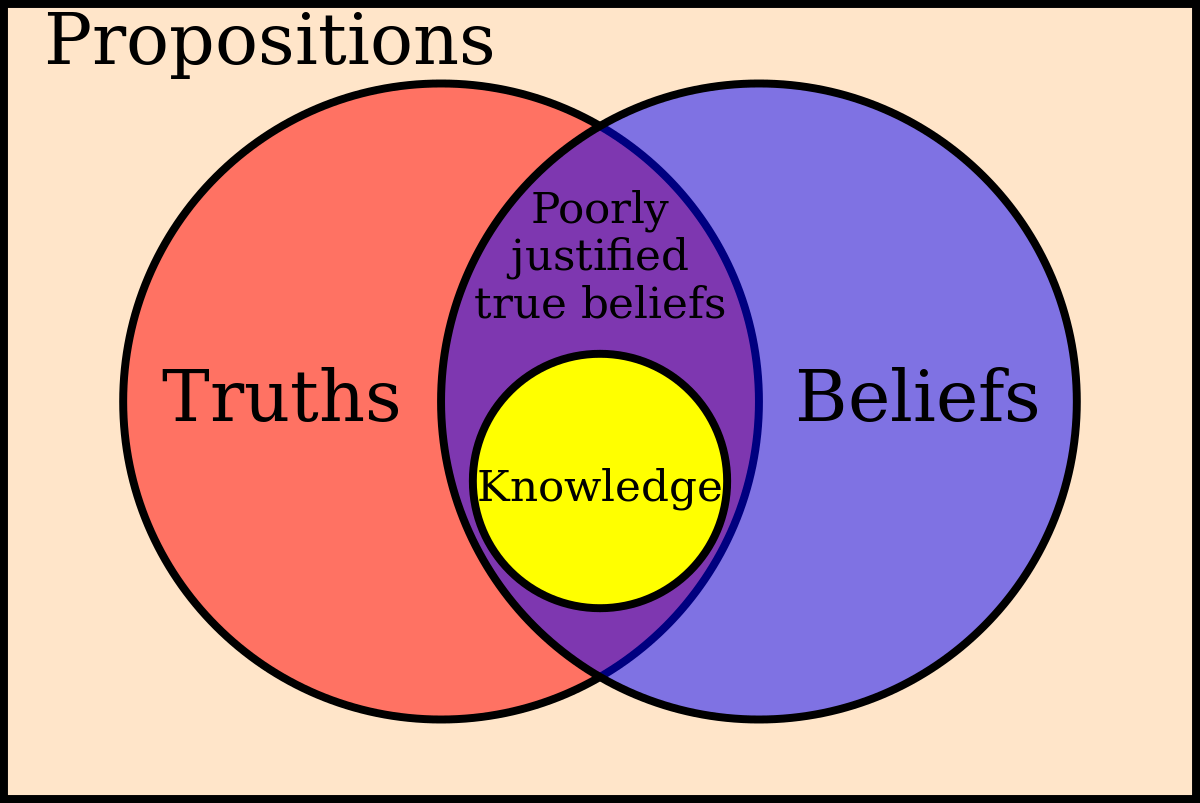
Maybe you know of Louise Hay’s famous book You Can Heal Your Life. Her diagnosis for stomach pain, which I used to have a lot of in my life, is: Holds nourishment. Digests ideas. Dread. Fear of the new. Inability to assimilate the new. I definitely got some value in approaching underlying beliefs that were creating psychological, spiritual and emotional blocks connected with my stomach; the metaphor of digesting ideas and feeling nourished resonated with me at a time I was deep in pain and seeking non-physical empowering approaches to healing. However, I also used her positive psychology ‘self-love’ approach to try to brainwash myself into believing I could manifest my own safety when I actually was in a lot of physical danger. I remember driving around repeating the phrases she suggested in her book for hours, how much work it was to keep up the story and its resulting facade of safety, and how the facade ultimately cracked and I really crashed. (Image below from wikipedia page on belief).

Belief - Wikipedia

When such stories have owned me, I’ve often suffered accordingly. But that isn’t to say that we should give up our beliefs. Beliefs can be incredibly enriching, create cultures and communities, and bring deep meaning into our lives. I think we need self-awareness of our beliefs to help us carry wise ones and to let go of those based in trauma and denial/lies. Today I listened to a story of a woman who felt deep shame about her grandfather’s actions during WWII which no one in her family would discuss. She went to Germany and read archives to learn he had been an S.S. officer and what he had done. She made a list of people he’d hurt and went into the Polish countryside to visit some of the places and people, and said:

A turning point in the work arrived when one of my grandfather’s victims, a ten-year-old child back then, looked me in the eye and told me that it wasn’t my fault, I hadn’t done anything. In that moment, the door of my room of shame opened a crack to let in a slim ray of light that showed me the way out…Survivors have sometimes told me about the enduring shame that comes from continuing to live when close family perished in the Nazi death machine. In turn, their descendants relate the impact of silence generated by the previous generation’s feeling of shame.

She said confronting the shame of her grandfather’s past and her families’ denial of wrongdoing has transformed her into carrying the past with honour and compassion as a responsibility instead of with shame and guilt as a burden. She also said it helped her heal an eating disorder. This woman’s experience aligns well with my own. What she didn’t say was that it probably also helped her eating disorder to heal by eating foods that felt better in her body or something else more physical and pragmatic as well.

When we consider our beliefs and how they create biases, blind spots and shadows, we are wise to reflect on the entire medicine wheel, seek wise counsel in material, spirit and visionary forms, and be self-aware. These days I carry a belief that ‘life is always here for me’. This came to me some years ago and I choose to continue to believe it because of the trust, faith, safety, and security it gives me. I realise it biases me towards moving into traumas, pains, etc that I might try to avoid if I had a different belief, but I feel that such experiences are inevitable and that this belief is highly protective and predisposes me to resilience rather than feeling victimised or hard done by. I find it helps me avoid the ‘why me?’ question many of us ask when ‘something bad happens’.

I find the trick of being able to heal one’s life is resolved by allowing healing thorough brutal self-honesty and fierce embodiment of one’s truth so as to release conflicting relationships; then, from a space of self-acceptance when I perceive others to be sitting in denial, for example, compassion naturally emerges in me. Ultimately I don’t think that we’re not nearly as helpless nor as powerful as we are often led to believe…

giveheart If you value this content, please engage in reciprocity by living, sharing and giving.

Our Trickster Nature

Blog by Valerie
Why does a crocodile hide underwater and then snap at prey (fight)? A sparrow swoop into a tree when there’s rustling on the ground nearby (flight)? A dog play dead (freeze)?  Because trickiness is a part of earthly nature. Sometimes we purposely trick ourselves, like when we feel pain and focus on “a happy place” to feel better. We often play tricks with children, such as pretending Santa Claus left kids gifts on Christmas. And there are downright scary ways we use trickster energy, like denying we have a drinking problem, going to a pub and getting wasted, then endangering ourself and others driving home.
Following the path of the mythical Raven (Light from ‘one ...I have heard people of many cultures say the world we’re living in was created by trickster. Some cultural creation stories are explicit about this, such as Raven Stealing the Light among First Nations peoples in the northwestern US and Canada, or a serpent tricking Eve who then tricked Adam in the Bible. In any case, trickster is an archetypal character across cultures. (Image of raven stealing the light from here.)
There are many ways to express and confront trickster energy, and having tools to navigate conflict is important. When we use binary thinking, when we judge right and wrong with bright line rules, when we identify as Good or Bad people and think our eternal existence depends on acting One Way, we close our hearts and minds to the inherent trickiness of nature, and we deny and dissociate our trickster aspect of being. Right now, some of us — including some of us with a lot of social power — are so unaware we’re being tricked that it’s costing human and non-human lives. Denial and dissociation tend to be destructive.
My view is that we’re all somewhat tricked into thinking that the collective ways we’re living are working, when deep down we feel pain, grief, conflict, helplessness, etc. about changing. We may be aware that current systems and ways of being and acting are unsustainable, and we may already be taking active steps to change ourselves and to advocate for bigger visions of change. Individual action does matter, miracles do occur, and self discipline and personal perseverance only takes us so far. As Isaac Murdoch, an Anishinaabeg elder (Canada) said recently in relation to corona virus:
The elders are reminding us to go back to the land. And so, for us, the land is the biggest healthcare system, and so we know that through the cultural practices of how we survived great sicknesses before, that the land is the answer.
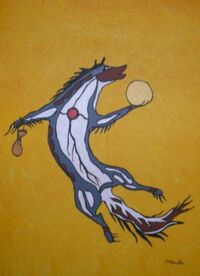
(Image of common Native American trickster coyote from here.)
I am aware there’s something tricky about an online platform for Earth Ethos. I am aware my relationship with traditional owners of the lands where I’m living is a work in progress and that I don’t yet feel fully safe and secure living here. I see people behave in dissociated ways daily, and social graces, cultural expectations, choosing battles, and behaving with ‘professionalism’ mean that I don’t always address it. I choose to focus on working through tricks in my private life where I have greater depth of intimacy with people. With many people I can at best plant a seed or hold them in compassion and be supportive in spirit.

Native American Trickster Stories: Lesson for Kids | Study.com

It helps when I’m truthful with myself and witnessed by someone else about tricks I’m navigating in my inner and outer world. I aim to avoid the trick of blindly acting on ‘shoulds’ in my head, and the trick of excusing what happens as ‘meant to be’ without using it as a learning opportunity. Being honest about trickster energy demands self-awareness. I cultivate that through grounding practices such as earthing, centring practices such as meditation and ceremony, purification practices such as rituals of letting go, reflection practices such as empathic dialogue, being receptive signs and feedback such as engaging in altar practices. (Image from here about the essence of Native American trickster tales.)
I am also aware that the nature of trickster energy is that it changes forms, or shape-shifts. There’s no one trick that can save you from being killed by an attacking mountain lion (puff up and try to appear big), a bear (extra strength pepper spray and run away), corona virus (ride it out and hospitalise if you can’t breathe), or an angry human with a gun (?). And I accept that trickiness is part of life. When I deny it, I feel stuck in a loop acting out the so-called battle between Good and Evil, and I need more compassion and grace. When I accept it, I am aware there’s good and evil mixed into everything and everyone, and I’m more likely to have an I-don’t-know mind and be able to flow in the present moment…
giveheart If you value this content, please engage in reciprocity by living, sharing and giving.