Blog by Valerie
Talking with a few people this week, it seems timely to share my perspective on these concepts and how I work with their energies. Though there can certainly be overlap between them, I hope clarifying the way I think about and hold these is helpful for your own thinking.
- Faith
I experience faith as a big, deep energy. Words that relate closely faith for me are ‘reliance’, and ‘belief.’ I experience existential fear to be a flip side of faith. When I have discerned that the fear I feel is existential and not due to being in imminent danger, I lean into faith and practices that support me to maintain and heal it. I am relishing this Michelangelo quote of late, reminding myself to have faith that everything happens at the right time.

Where we place our faith can have huge consequences for our life experiences. For example, if I place my faith in getting THIS JOB I applied for, that is setting myself up for a big crisis if I don’t get the job, or if the job doesn’t work well for me. If I instead place my faith in something bigger like ‘the right job finds me at the right time’, then if I get the job I may breathe a sigh of relief, and if I don’t, it will likely be easier to accept and wait for something better.
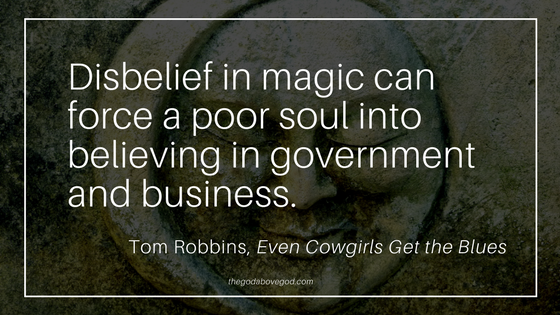
I have found that placing faith blindly leads us to be let down, and even lose faith in faith altogether, leading people towards nihilism. You can live in nihilism if you want, but having spent time there and with people who are choosing to be there, I found it too bleak and painful. If placing faith in certain things supports me to live a more fulfilling life and embody my core values (peace, play & passion), then I will do so. I think the below quote is a good warning sign for loss of faith altogether, and I think it often comes with over-placement of faith into things, then experiencing existential crises, and not knowing how to work with faith in other ways so giving up on it entirely instead.
My view is that faith ought to be grown through an iterative process. We place faith in something (I suggest starting with an affirmation that feels good, like ‘Life is always here for me’ or something to that effect), then we see how it feels to live with faith in that space, and when it is challenged whether it would feel better or worse or neutral to place more faith there or elsewhere. Placing faith in life always being for my benefit has been very beneficial for me – so that even when hard things happen, I look for the lesson in letting go and the space for new support and adventure that is seeking to come through. Placing faith in this also ensures that I limit identification as a victim. Even when I AM victimised in some way, I do not take it to an existential level, because I choose to place faith in there being an important teaching (or two or three or twenty) in my experience of victimisation.
Faith, for me, is something we build through an iterative process over time that supports us to navigate the mysteries of life.
2. Hope
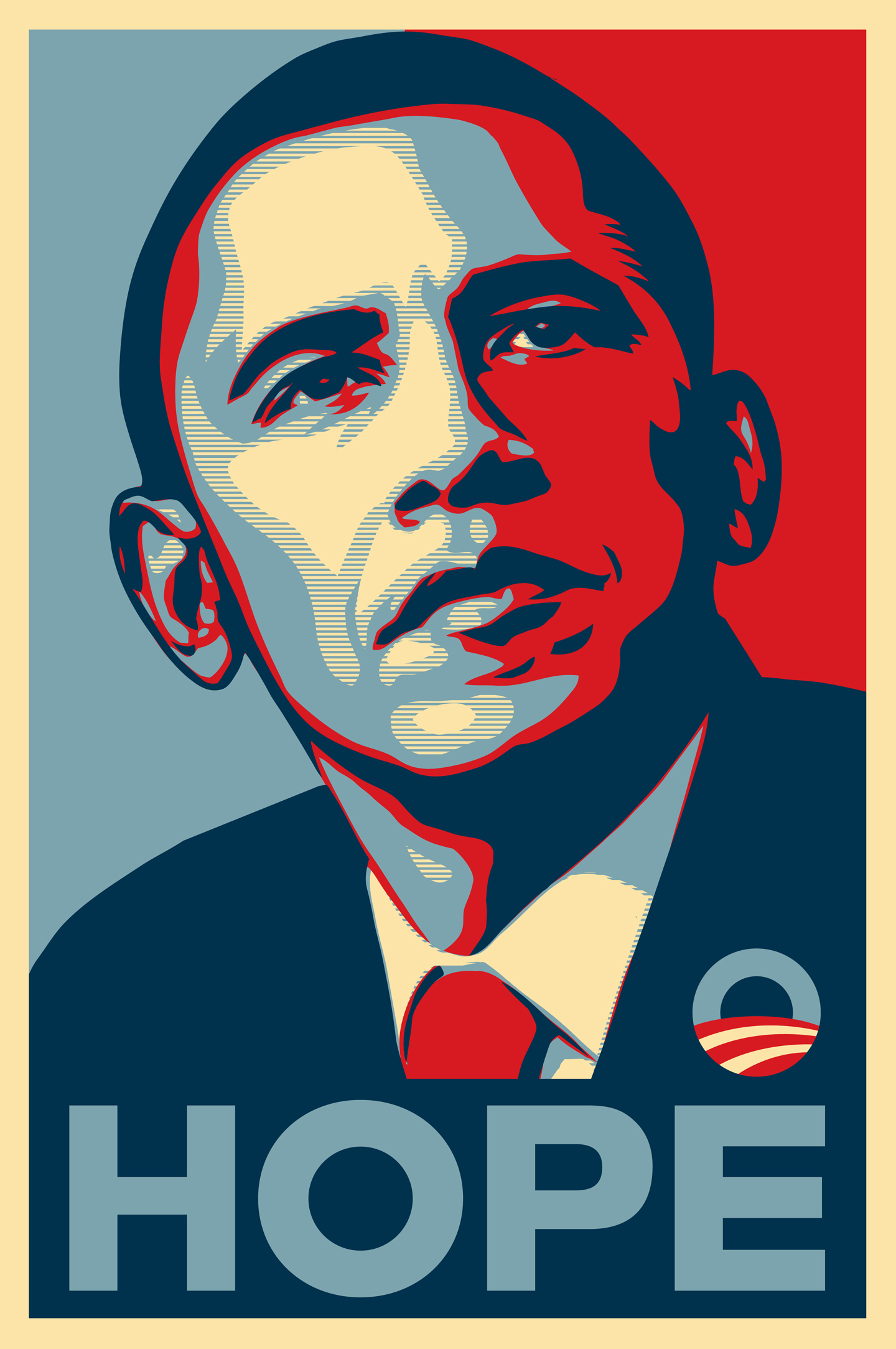 I see hope as a more fleeting, softer and elusive energy laced with personal egoic desires. I might choose to have faith that the right job will come to me at the right time (which will likely require me to do a bit of work putting myself out there), and if I feel excited about a particular job I just interviewed for, I may HOPE that will be the one that comes through. This is why I found the energy of Obama’s Hope & Change campaign less exciting than many people. I feel like many people placed FAITH in his presidency resulting in meaningful change instead of HOPE, and thereby set themselves up for huge disappointment (Image from here.)
Hope is a smaller, lighter, more specific energy that I associate with words like ‘wish’ or ‘desire’. The best way to use of hope is to express more specific desires and wishes without expectation or attachment to results.
3. Trust
Trust, like faith, is a big energy for me. Where faith relates to my interactions with the unknown, trust relates to the constants in life that I can rely on, things ‘I know’. Trust relates to truth for me. I trust that the sun will set tonight and rise tomorrow. Trust for me, is a ‘knowing,’ which can be something we just have or find within ourselves. In Buddhism people refer to ‘transmission’ of certain ‘knowings’, meaning that if you find a ‘truth’ within yourself you can project that into someone else when they are open and receptive to it and awaken that truth in them.
One of my mother’s favourite phrases was ‘Trust but verify’, which to me means there is no trust at all, by design. When I expect not to be able to trust, there is no room for trust to grow. But if I start by being willing to doubt myself about this, then I am open enough for some hope, and then maybe some faith to come into my life. And faith can become trust as we learn that we can rely on certain things. I grew up feeling that life was hard, and that someone was always out to get me (that was true! I was being abused!). But as I grew up and moved out on my own, I dared to hope life could be better than that. Then I dared to place faith in the idea that life was always for my benefit and there was a positive purpose to all the pain and trauma I’d been through. At first that was an idea, but then I started to see it and experience it more and more. Over time my faith was challenged, and still I kept being able to come back to that idea, and over time it has become a truth for me. I am now able to trust it. And when I met someone who doesn’t have that knowing, I can see them because of the journey I have been on.
As I stay true to myself – by being authentic and following through on my words with actions (even inside the little agreements I make to myself in my own mind – I am able to build trust with myself and be a trustworthy person. That allows me to build trust with another person, even someone who has struggled to be around trustworthy people. Sometimes I don’t follow through on my word, or my words run away with me and I have to chase them and either apologise and make amends or do things I would rather not or at a pace that is not very smart. But in moments when I am able to help awaken other people from a myth that they are an eternal victim in their own life, that no one and nothing is trustworthy, then I experience the gift of that journey, which helps makes the painful betrayals I’ve been though feel worthwhile.

 If you value this content, please engage in reciprocity by living, sharing and giving.


 If you value this content, please engage in reciprocity by


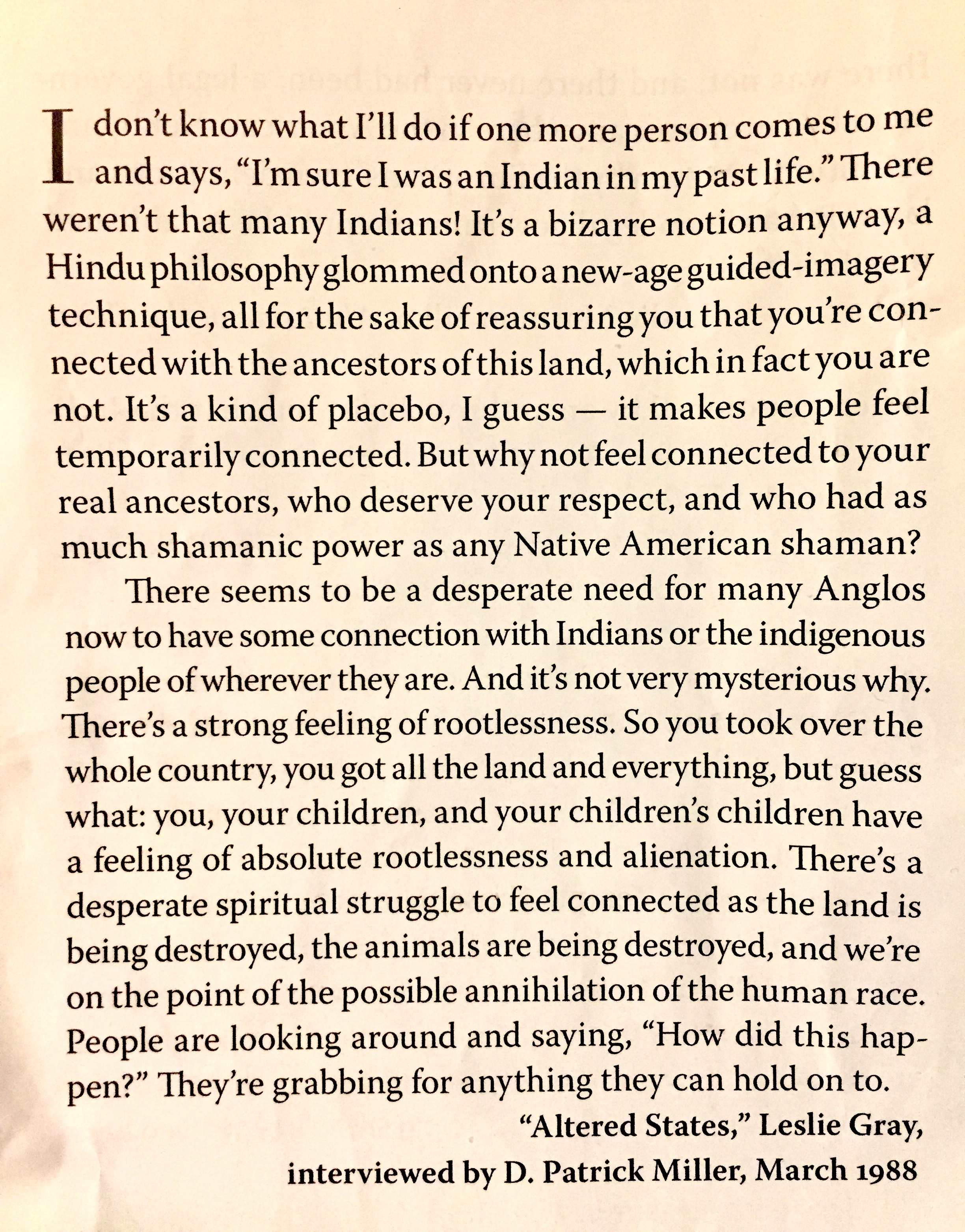 Though much trauma is being acted out in the world right now that is sometimes referred to as ‘white privilege,’ no one is merely ‘white’, and I cringe when I am referred to as such. We all have cultural heritage with gifts to unpack and celebrate. My
  To honour my earth ethos, I celebrated a fiery summer solstice in ceremony with loved ones. (Literally, there were, and are, many
 Blog by Lukas
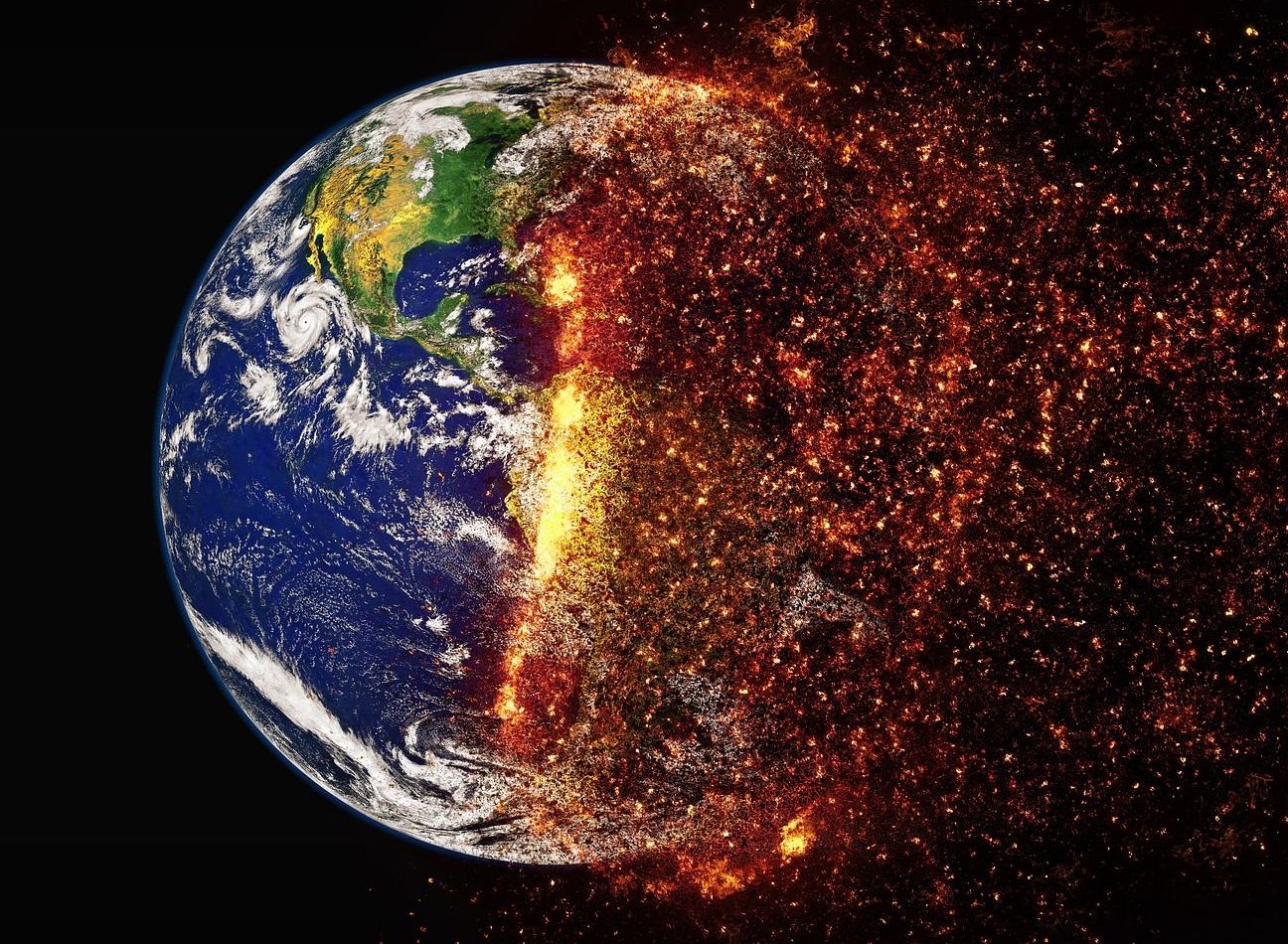
 We don’t need to fix the world, rather we need to learn to flow in it, and be in deep relationship with it. I have no doubt that from such a stance we’ll look at open pit coal mines and the internal combustion engine, not to mention countless other inventions and lifestyle choices, as being fundamentally out of flow, a desecration of something sacred that severs us from the Earth. Western science will play a role in helping us work out what to do next, but the truth of our modern desecration of the Earth does not need facts and figures, and positivist experimentation for us to experience. If you don’t believe me, go and sit on a chair in a forest near where you were born for a few minutes and watch your mind. If you are anything like me, you will experience a lot of discomfort and dis-ease from being with the craziness of your undistracted modern mind. Can you “fix” that with your mind alone? Can Western science offer you any help? There is as much to learn about why we face climate disasters from that one simple activity as there is from any number of bore holes dug into the Antarctic ice.
 We need to question more than our use of carbon. We need a new and bigger dreaming. We need a dreaming of lived interconnection to immortal oneness. Such a dreaming is bigger than our daily struggles, and even our comprehension of existence itself. Certainly much bigger than our worries about three degrees of global mean temperature rise. You might say, “Well that is easy for you to say, it is not your daily sustenance under threat, or your island about to be swallowed by the sea”, and this may be true. But my reply is that these ideas I am telling you are not mine. They come from the wisdom of people who did indeed face and transcend such hardships. Islands have disappeared before, and life went on. Regardless of what we do and don’t do, life will go on this time around too. The only real question is what kind of life it will be. (Image from
  When energies interact, we get a force, which is a relationship or co-creation. When we think about forces of nature, like a tornado, we can feel awestruck by the immense power of energy the elements of air (wind) and water can co-create. The Force in


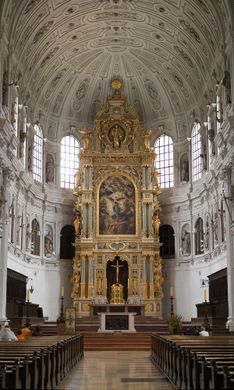
 Buddha, and Krishna, and where people also sit in contemplation and pray for insight and guidance from those figures. I find it helpful to be intentional about these differences in my own life, but maybe blended spaces work for you. Ultimately, we build relationships with figures, ideas, events, places, and energies, and those relationships work best when we both give and receive, and do not always ask or give with the expectation of immediately getting back… (Images: Altar of St Michael’s Church in Munich, Shrine of Remembrance for the War Dead in Melbourne)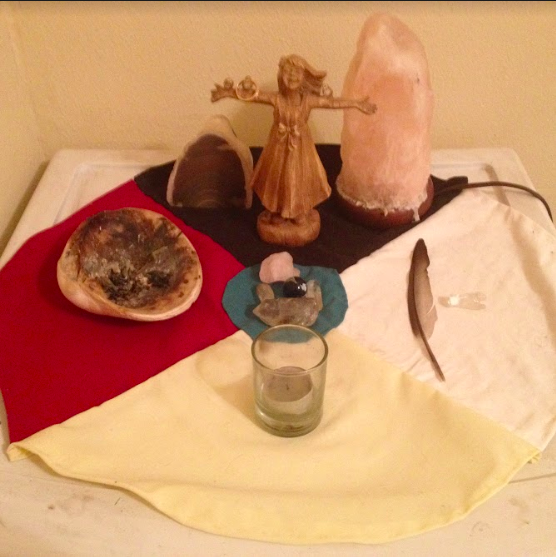
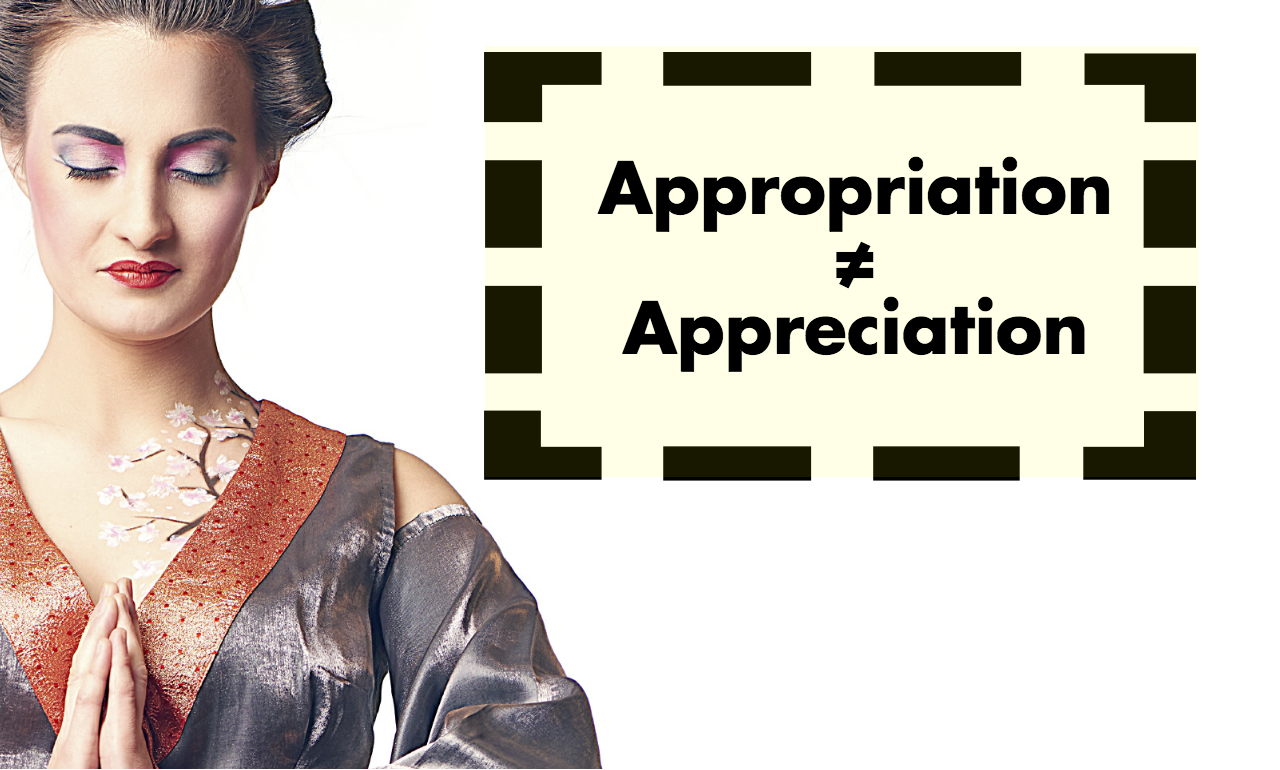
 I have a lot of compassion for the messiness of embodying Earth Ethos in modern multicultural cities. This is my life! And it is hard, messy work. It’s important to give ourselves and each other grace and trust that we all do our best. For a beautiful story from someone of mixed cultural heritage about honouring all of her complex heritage,


 Earth Ethos