Blog by Valerie
“The story owns the storyteller.”–Traditional wisdom shared by the Nhunggabarra people (western NSW, Australia)

Like all biased humans, I am predisposed to see certain things whether they are strongly there or not. For example, I was raised with a deep belief that ‘people are good’ which came into conflict with evil/inhumane, abusive/betraying and neglectful/denial behaviours I experienced from adults around me. I turned ‘seeing the good’ into an art form of magnification of certain elements of someone’s character and minimisation of others so my life could fit that story, because the story was so foundational to my sense of self, safety, path in life, etc. A related one was ‘Family is always there for each other’, referring to family by blood or marriage, and it too proved very destructive for me.

In general, stories grounded in absolutes are dangerous. They can create self-hating fanatics like me who feel worthless and resentful and get abused and mistreated again and again because I was convinced that the ‘good’ was there if only I worked harder to see it and it was my family so I couldn’t leave anyway. What a trick to intertwine my existence with stories keeping me stuck in situations trying to teach me the shadow of the story and show me that it wasn’t true. And what a trick it would’ve been to convince myself of the opposite in reaction – that people are untrustworthy and you can’t have faith in anything good ever happening. Thankfully I didn’t oscillate into a cynicism trap, but many of us do. (Image from here.)
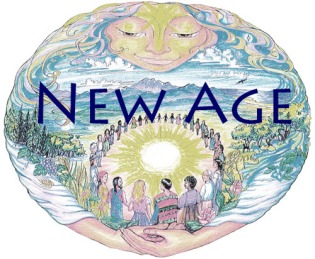
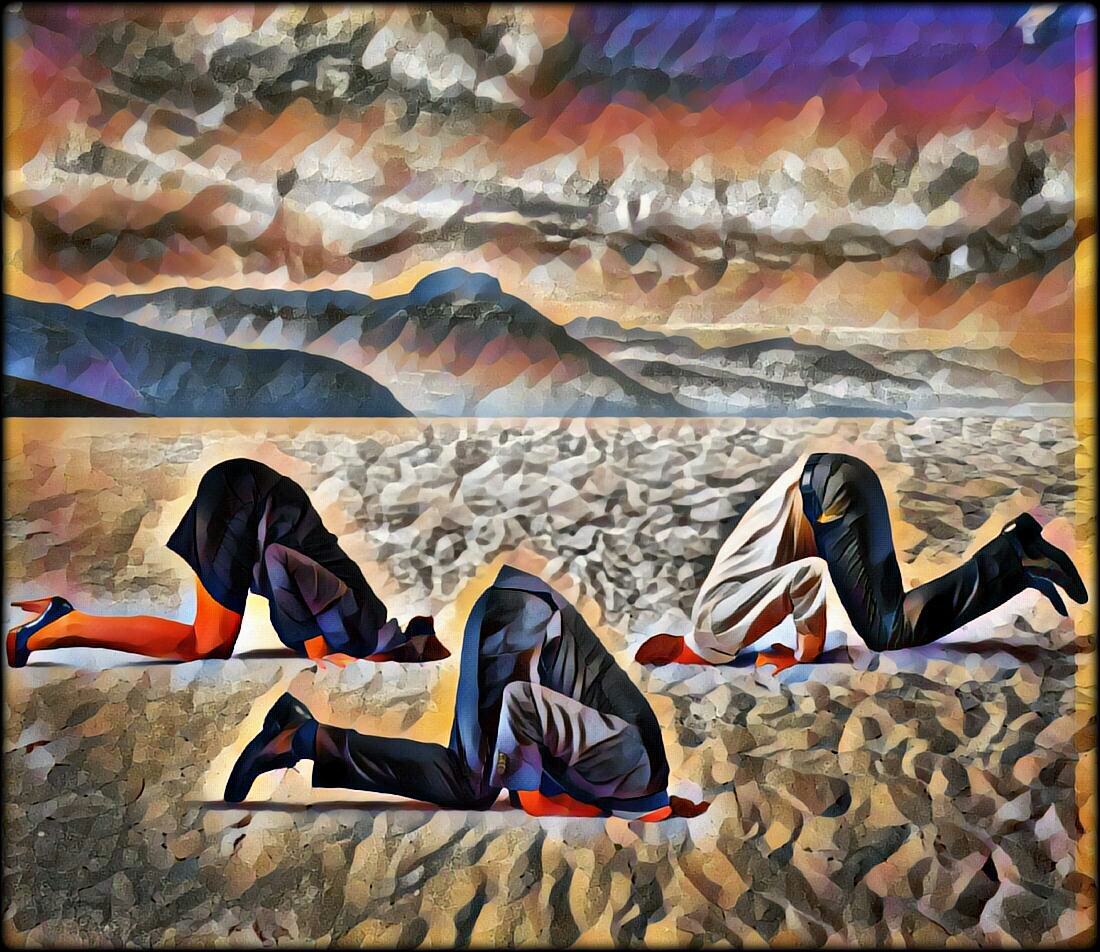
What I find to be New Age trickery is the idea that if a character trait isn’t present you can just ‘see it anyway’ and manifest it, and what I find to be Western scientific/atheistic trickery is the idea that if it isn’t there it never will be and you better accept that and take a pill to replace it or become dependent on some kind of therapy for the rest of your life. For example, I was told by Western doctors that I would need to be on thyroid hormone all my life (I was on a swine substitute for 3 years) and that I’d never be able to eat gluten again (I was off it 15 years until I woke up one day knowing my body had healed). But my mother, brother, aunt, cousin, grandmother, etc. have all been taking thyroid replacement hormone for many years. Of course we are each unique, but a belief that we need a pill can prevent something from healing that might shift our need for the medicine. It’s important to discern when we are and aren’t helpless, and in my opinion it’s rarely wise to believe in Western medicine, though using its tools may be a wise option. (Image from here.)
Maybe you know of Louise Hay’s famous book You Can Heal Your Life. Her diagnosis for stomach pain, which I used to have a lot of in my life, is: Holds nourishment. Digests ideas. Dread. Fear of the new. Inability to assimilate the new. I definitely got some value in approaching underlying beliefs that were creating psychological, spiritual and emotional blocks connected with my stomach; the metaphor of digesting ideas and feeling nourished resonated with me at a time I was deep in pain and seeking non-physical empowering approaches to healing. However, I also used her positive psychology ‘self-love’ approach to try to brainwash myself into believing I could manifest my own safety when I actually was in a lot of physical danger. I remember driving around repeating the phrases she suggested in her book for hours, how much work it was to keep up the story and its resulting facade of safety, and how the facade ultimately cracked and I really crashed. (Image below from wikipedia page on belief).
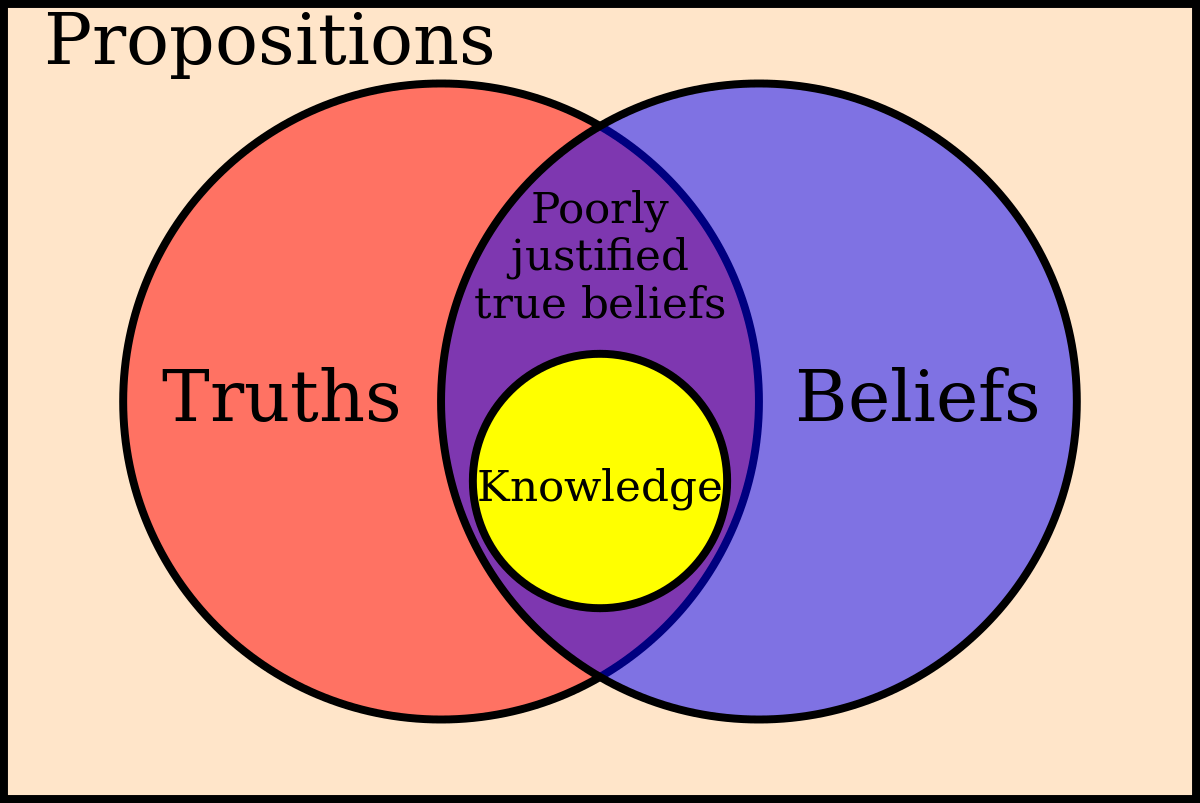
When such stories have owned me, I’ve often suffered accordingly. But that isn’t to say that we should give up our beliefs. Beliefs can be incredibly enriching, create cultures and communities, and bring deep meaning into our lives. I think we need self-awareness of our beliefs to help us carry wise ones and to let go of those based in trauma and denial/lies. Today I listened to a story of a woman who felt deep shame about her grandfather’s actions during WWII which no one in her family would discuss. She went to Germany and read archives to learn he had been an S.S. officer and what he had done. She made a list of people he’d hurt and went into the Polish countryside to visit some of the places and people, and said:
A turning point in the work arrived when one of my grandfather’s victims, a ten-year-old child back then, looked me in the eye and told me that it wasn’t my fault, I hadn’t done anything. In that moment, the door of my room of shame opened a crack to let in a slim ray of light that showed me the way out…Survivors have sometimes told me about the enduring shame that comes from continuing to live when close family perished in the Nazi death machine. In turn, their descendants relate the impact of silence generated by the previous generation’s feeling of shame.
She said confronting the shame of her grandfather’s past and her families’ denial of wrongdoing has transformed her into carrying the past with honour and compassion as a responsibility instead of with shame and guilt as a burden. She also said it helped her heal an eating disorder. This woman’s experience aligns well with my own. What she didn’t say was that it probably also helped her eating disorder to heal by eating foods that felt better in her body or something else more physical and pragmatic as well.
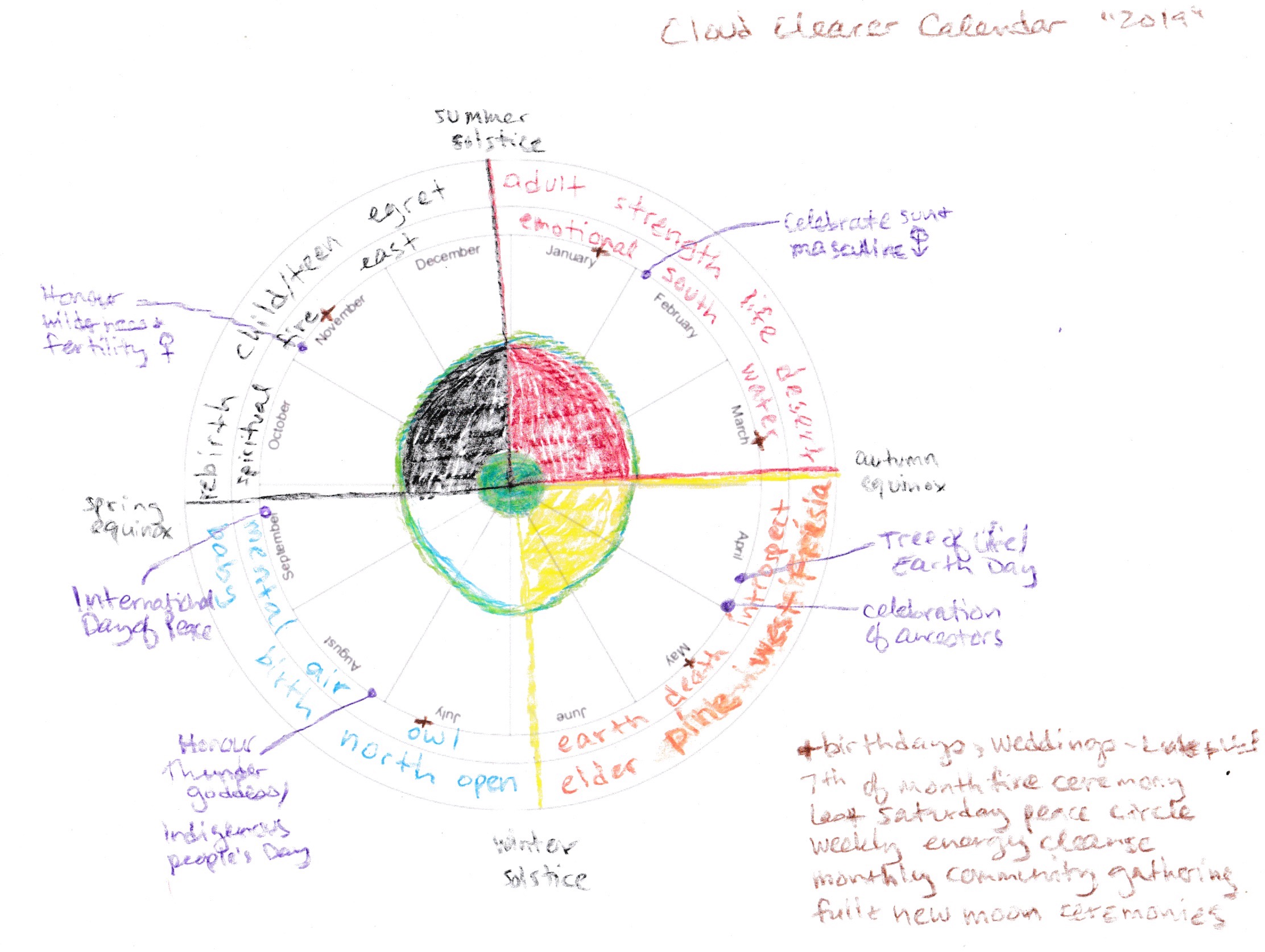
When we consider our beliefs and how they create biases, blind spots and shadows, we are wise to reflect on the entire medicine wheel, seek wise counsel in material, spirit and visionary forms, and be self-aware. These days I carry a belief that ‘life is always here for me’. This came to me some years ago and I choose to continue to believe it because of the trust, faith, safety, and security it gives me. I realise it biases me towards moving into traumas, pains, etc that I might try to avoid if I had a different belief, but I feel that such experiences are inevitable and that this belief is highly protective and predisposes me to resilience rather than feeling victimised or hard done by. I find it helps me avoid the ‘why me?’ question many of us ask when ‘something bad happens’.
I find the trick of being able to heal one’s life is resolved by allowing healing thorough brutal self-honesty and fierce embodiment of one’s truth so as to release conflicting relationships; then, from a space of self-acceptance when I perceive others to be sitting in denial, for example, compassion naturally emerges in me. Ultimately I don’t think that we’re not nearly as helpless nor as powerful as we are often led to believe…
 If you value this content, please engage in reciprocity by living, sharing and giving.

 This is the person with the most social power, both within their group and across groups. The Ringleader commonly lacks classic “excuses” for their behaviour, and usually comes from a relatively “
 The Henchmen are the bane of any true bullying victim’s life, dishing out most of the torment at the behest or with the support of the Ringleader. They are often quite dissociated emotionally and act without shame, which is both part of their resilience, and what makes them very dangerous.


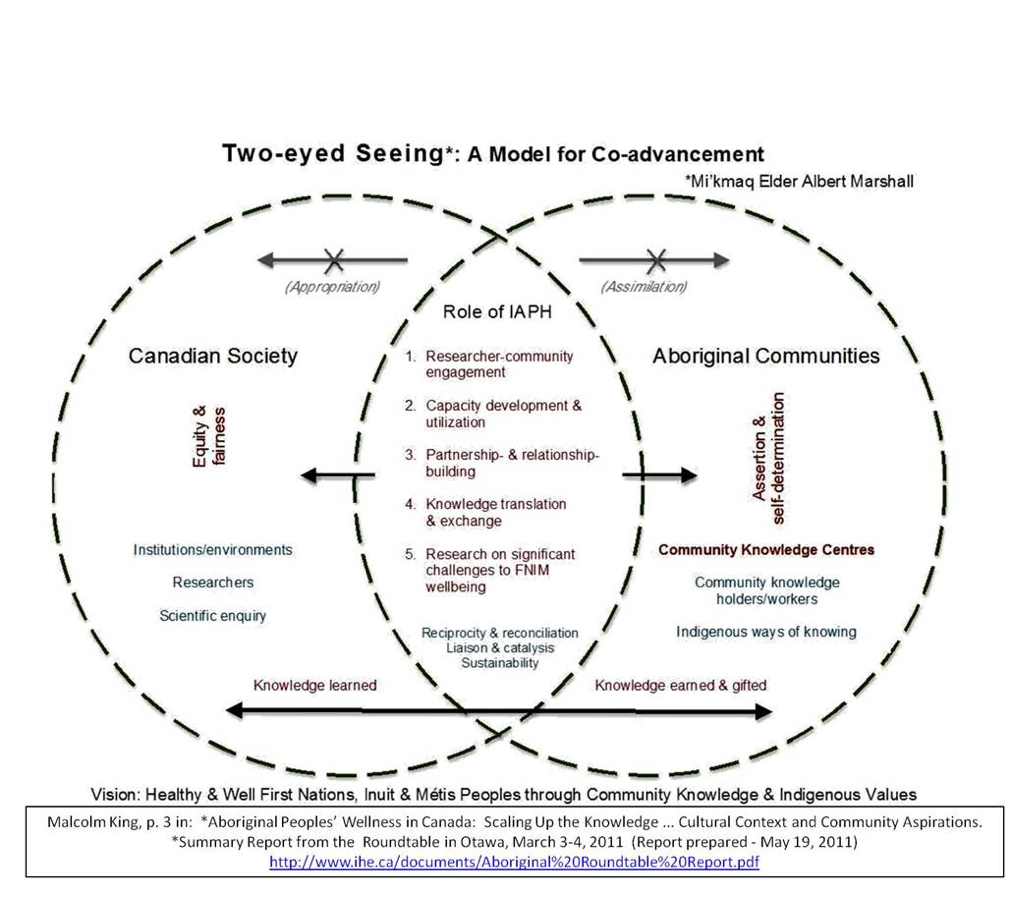





 purposely into trauma or danger, but not to the point of becoming a martyr and building resentment. It can be a challenging line to walk. It requires very high personal standards along with loads of compassion for self and others. It can be isolating and incredibly fulfilling. Instead of being outraged about whatever stupid action Trump did this week, I was in awe to learn that fish underwater

 Resilience is especially necessary when one’s path is based on existential judgment and conditional love. Without an earth ethos grounding us in our bodies, environments, and communities, we can’t experience unconditional love. And the Jewish identity I inherited is completely ungrounded–it is not even connected to Israel. Outsiders may laugh at Jewish neuroticism in a Woody Allen film, but I grew up with such people failing to take care of themselves or me, convinced there was something wrong with them that doctors’ pills could fix, and never satisfied no matter what they achieved. Having lived intimately with this addiction, abuse, and neuroticism, I’ve come to see it as based in self-betrayal, self-hatred and self-abandonment. I don’t know what set my ancestors on Jewish paths many generations ago. I know some of the traumas they and I have been through, and I feel that staying on the Jewish diaspora path has served to make our traumas bigger. For example, my grandmother told me as a child that I can’t trust anyone, and I asked with surprise, What about you?! It’s a much harder road to judge, confront, and forgive than to just accept in the first instance. I thank my Jewishness for this hard learned lesson. My current path is one of accepting unconditionally. I don’t feel this aligns with my Jewishness, so I seek to uncover what lies underneath that for me. I’m moved to close with this quote from someone else who has dug beneath the roots of her inherited identity:
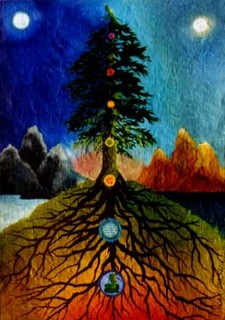
 The above quote is the definition of “unsustainable” to me. I see this wisdom enshrined in the biblical story of the Tree of Knowledge that some of our ancestors were advised not to eat from before their curiosity and the trickiness of a snake got the better of them and taught them this lesson. I facilitated a workshop last weekend for healing professionals called “Space for Spaceholders” in order to create space for their nourishment. The embodied metaphor for nourishment that came to me was the placenta.
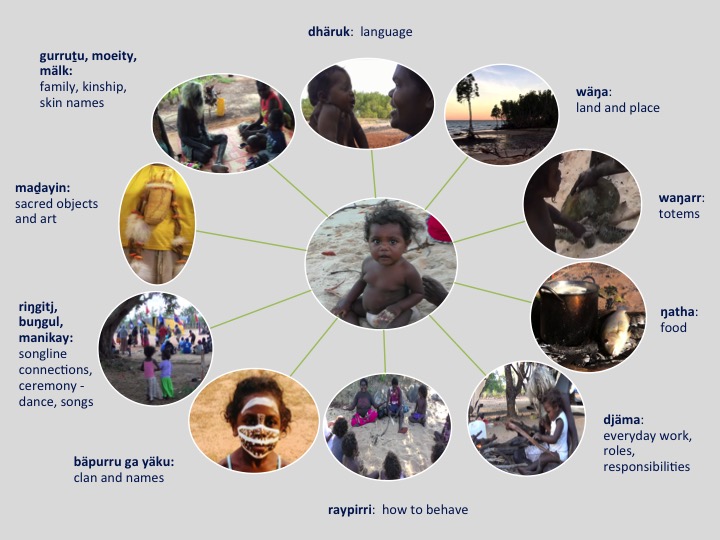


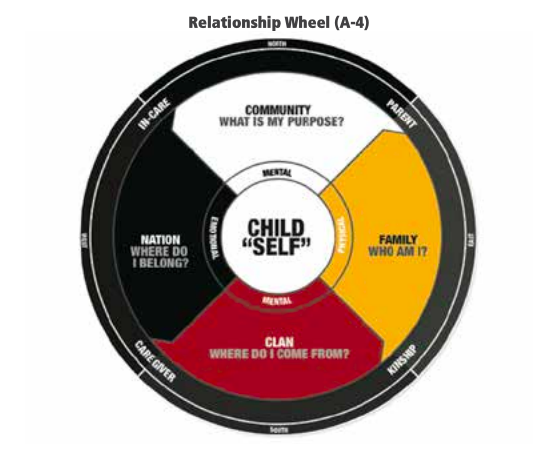
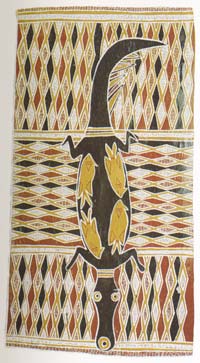
 Denying oppressive cultural stories frees not only you, but your ancestors, the lands, and indigenous people and their ancestors connected to the land where you live. A few hours outside of Sydney, Australia in
 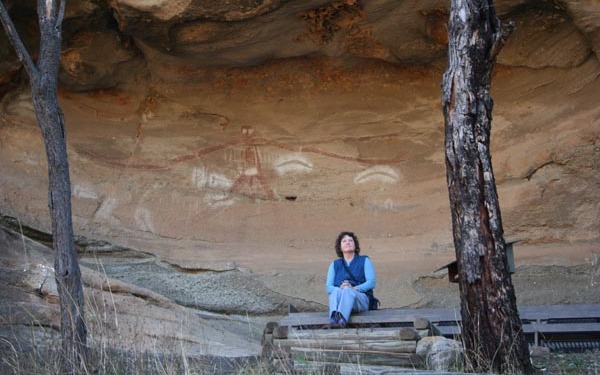 Though churches and houses were built on their sacred sites were intended as acts of dominance and genocide, they ensured that those sacred places survived as sites of worship. Today Wuradjuri people are going back to those places and re-membering their language and culture:
 Earth Ethos